Houthis recalibrate their military compass toward southern Yemen
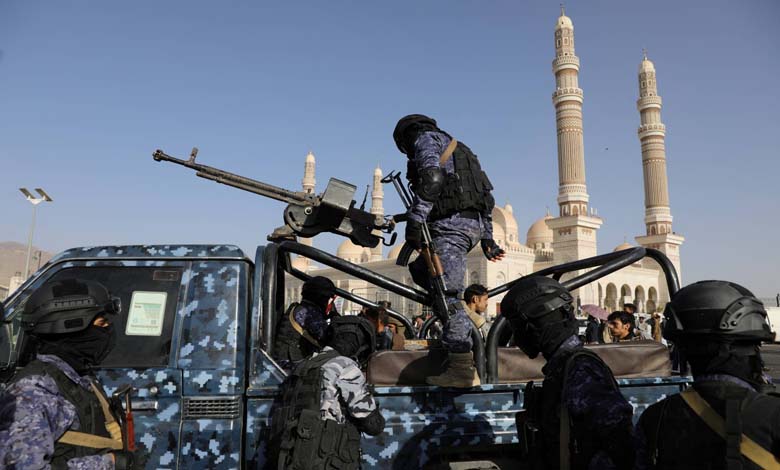
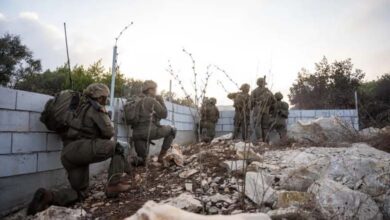
The Houthis are intensifying their activity in several areas close to contact lines, adopting defensive and offensive tactics simultaneously, most notably through the digging of trench networks and the reinforcement of military positions.
-
South Yemen Unifies Its Ranks Against the Houthis: Securing the Rear Before Moving Toward Sanaa
-
Five months after sinking, the Houthis release the crew of the ship Eternity C
In recent weeks, the Yemeni landscape has witnessed notable military developments, as the Houthi movement has launched accelerated preparations involving the excavation of trenches, human mobilization, and the relocation of missile platforms to new contact zones. These moves have raised growing concerns about a potential confrontation with the forces of the Southern Transitional Council. They come at a particularly sensitive time, coinciding with heightened security and political tensions in eastern Yemen, reflecting the Houthis’ efforts to exploit the fluid security environment and rearrange their military posture.
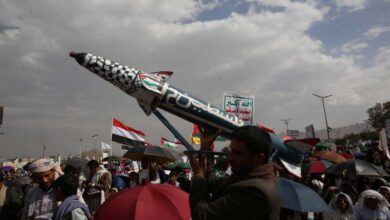
Local sources and field reports indicate that the group has stepped up its military activity in areas near the front lines, combining defensive and offensive measures. These include digging trench networks, strengthening military positions, and redeploying missile platforms and drones. Such steps are widely seen as an attempt to raise readiness levels in anticipation of possible escalation, especially amid increasing speculation about indirect clashes or an open confrontation with southern forces.
-
Justice in the Grip of the Houthis: How Yemen’s Judiciary Became a Political Tool of Repression
-
Houthis raid UN offices in Sanaa and detain another staff member
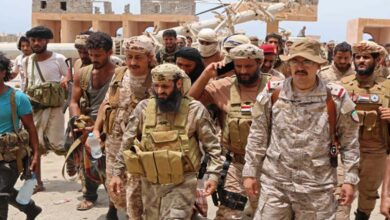
Meanwhile, the forces of the Southern Transitional Council continue to reinforce their military and security presence in areas under their control, emphasizing that their priorities lie in protecting the south and confronting multiple threats, including both the Houthis and Al-Qaeda-affiliated groups.
In this context, southern forces have launched a large-scale military operation in Abyan governorate, targeting Al-Qaeda hideouts and positions in mountainous and rugged terrain. The operation has been described as one of the most significant security campaigns conducted in recent times.
Observers note that the Abyan operation reflects a shift in the southern forces’ strategy, moving from a largely defensive stance to proactive field initiatives aimed at cutting off the resources of extremist organizations and preventing them from exploiting ongoing instability.
-
Houthis Activate Emergency Plan as Fear Undermines Centralized Military Command
-
Southern Yemen Moves Beyond the Conventional Framework: A New Diplomacy Confounds the Muslim Brotherhood and the Houthis
This move has resulted in tangible field gains, tighter pressure on Al-Qaeda elements, and enhanced coordination between local military and security units, in an effort to consolidate stability in a governorate that has long suffered from armed group activity.
Alongside the security approach, southern forces are working to establish a model of stability in the governorates under their control, having extended their influence over most southern provinces. These efforts include reactivating local institutions, improving security performance, and stabilizing conditions in major cities, thereby reducing disorder and strengthening public confidence. Supporters of the Southern Transitional Council view these steps as an attempt to build a stable administration capable of addressing both security and political challenges simultaneously.
-
Houthis detain UN staff, including UNICEF representative
-
The Deluge toll: 1,000 Houthis killed in 19 months
In light of these developments, the Southern Transitional Council is keen to stress that its military movements are defensive in nature and aimed at countering threats, rather than expanding the scope of the conflict. It also underscores the importance of maintaining balance in dealing with various issues, so as to avoid being drawn into comprehensive confrontations that could further aggravate Yemen’s humanitarian and security situation.
At the regional level, the roles of Saudi Arabia and the United Arab Emirates stand out as part of efforts to contain escalation and preserve a degree of stability. Riyadh continues to support political initiatives aimed at ending the Yemeni conflict through dialogue, while focusing on safeguarding its national security and that of the region. Abu Dhabi, for its part, concentrates on supporting counterterrorism efforts and enhancing stability in liberated areas by backing local forces and building their security capacities, within a broader vision to curb chaos and extremism.
-
Between Denial and Confusion: Why Did the Houthis Delay Announcing Their Casualties?
-
Houthis redeploy military communication networks in Hodeidah
Observers argue that maintaining balance at this stage requires avoiding wide-scale escalation and limiting the exploitation of existing tensions for short-term military gains. Recent developments, whether Houthi movements or southern operations, underscore the fragility of the situation on the ground and the need for all parties to adopt an approach that combines security and politics, while taking into account the complexities of the Yemeni context.
Ultimately, Yemen stands at a critical juncture, where military preparations intersect with attempts to impose stability in certain areas. Between Houthi escalation and southern military movements, the future of the situation hinges on the ability of the parties to regulate the pace of the conflict and to leverage regional and international efforts to avoid a new slide into comprehensive confrontation, the cost of which would be heavy for Yemenis and the region as a whole.
-
Houthis Claim Responsibility for Attack on Cargo Ship in the Gulf of Aden
-
Call for an international coalition against the Houthis: Experts stress collective action as essential for deterrence