Houthis threaten escalation if attacks on Iran resume
Any military action by the Houthis could lead to major disruptions in international maritime traffic.
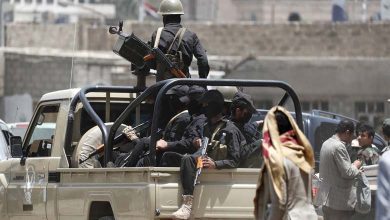
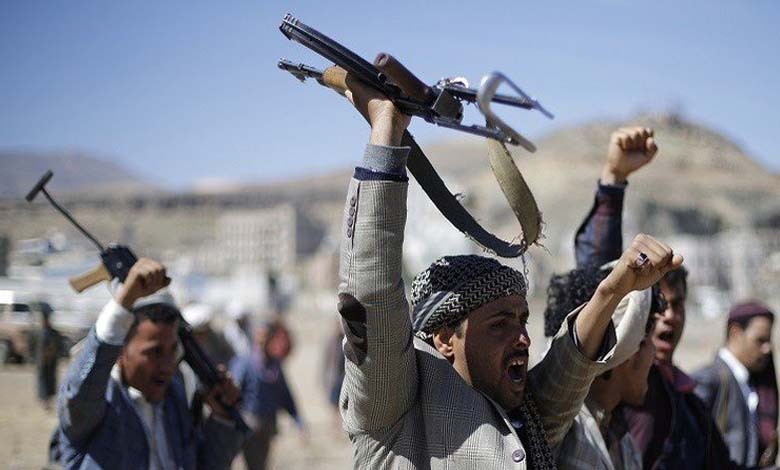
The Houthis in Yemen threatened on Sunday to escalate their military operations if the United States and Israel resume their attacks against Iran, a stance reflecting the widening scope of regional tensions and the interconnection of multiple confrontation theaters in the region.
The threat was issued in a statement by the Houthis’ foreign ministry, part of their internationally unrecognized government, published by the Saba News Agency. The statement affirmed that their position of support for Iran is “firm” and that they are ready to take part in an active “escalatory path” of military operations should the confrontation resume.
The statement referred to what it described as the “steadfastness of the Iranian position” during talks held in the Pakistani capital, Islamabad, describing it as a “new victory” for Iran and the Axis of Resistance. It claimed that Washington sought to achieve at the negotiating table gains it had failed to secure on the ground.
The Houthis warned that any new U.S. escalation, whether military or maritime, would have broad consequences for the global economy, stating that it could negatively affect supply chains and energy prices given the sensitivity of maritime routes in the region.
This stance comes amid escalating regional tensions after the group entered the conflict from late March onward in support of Iran in its confrontation with the United States and Israel, alongside continued Israeli strikes against Hezbollah in Lebanon.
These developments are fueling growing concerns about a possible expansion of the conflict to key maritime routes, particularly the Bab el-Mandeb Strait, which is considered a vital artery of global trade. Concerns have further increased following recent Iranian restrictions on navigation in the Strait of Hormuz, placing additional pressure on oil and gas tanker traffic.
Observers argue that any military move by the Houthis could cause significant disruption to international shipping, especially if it coincides with escalation in the Persian Gulf, with direct repercussions on global markets and energy prices.
At the same time, these threats come as the region is witnessing a temporary truce between the United States and Iran, announced early Wednesday under Pakistani mediation for a two-week period, in an attempt to open the door to a political settlement ending the confrontation that began on February 28.
Despite this truce, the Houthis’ statements reflect the fragility of the current situation and confirm that the risk of escalation remains present, particularly given the interconnected nature of the conflict fronts and the number of actors involved.
Between de-escalation efforts and signs of escalation, the regional situation remains open to multiple scenarios, in the absence of solid guarantees preventing renewed hostilities and amid continuing tensions in several flashpoints that could ignite the region at any moment.