How does cleaning your teeth help prevent dementia?
Oral health is often viewed as a cosmetic concern, yet modern research shows that the mouth and the brain are closely connected. Growing scientific evidence suggests that good dental hygiene may reduce the risk of dementia. This does not mean that brushing your teeth cures or completely prevents the disease, but it highlights oral care as part of a broader strategy to protect long-term brain health.
The mouth as a gateway to the body
The mouth contains millions of bacteria. When balanced, they are harmless. With poor hygiene, however, they multiply, forming dental plaque and triggering gum inflammation such as gingivitis and periodontitis. These gum diseases can release bacteria and inflammatory substances into the bloodstream, affecting organs far beyond the mouth.
Chronic inflammation and the brain
Dementia, including Alzheimer’s disease, is linked to complex inflammatory processes. Researchers have found that chronic inflammation can damage brain cells over time. Periodontal disease creates exactly this kind of persistent inflammatory environment. In some patients, this may increase vulnerability to cognitive decline.
Some studies have even detected traces of oral bacteria in the brains of people with Alzheimer’s. This does not prove direct causation, but it strengthens the hypothesis that poor oral health may contribute to brain degeneration.
Indirect links: heart health, diabetes and dementia
Poor oral hygiene is also associated with diabetes complications, high blood pressure and cardiovascular disease. These conditions are strongly linked to dementia risk. Protecting the gums may therefore support brain health indirectly, by preserving vascular and metabolic function.
Brushing, professional cleaning and prevention
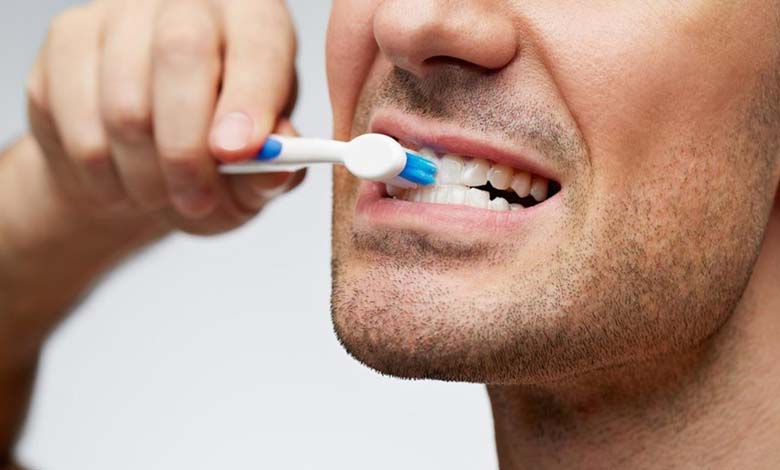
Brushing twice daily, combined with interdental cleaning, significantly reduces plaque and gum inflammation. Professional dental cleanings remove tartar from areas a toothbrush cannot reach. Over time, this lowers the likelihood of severe gum disease and chronic inflammation.
Healthy eating, limited sugar, and avoiding smoking are equally important, as tobacco dramatically worsens gum problems.
What science knows — and what it cannot promise yet
Scientists speak of association rather than absolute prevention. Dementia results from genetics, lifestyle, cardiovascular health and aging. Oral hygiene is only one factor, though it is practical and controllable.
Practical steps for mouth and brain health
- Brush twice daily for two minutes with fluoride toothpaste.
- Clean between teeth every day.
- Visit a dentist at least once yearly.
- Eat balanced meals, limit sugary drinks.
- Avoid smoking.
- Combine these habits with exercise, sleep, and mental activity.
Good dental care is more than a smile issue. By reducing inflammation and supporting overall health, it may help lower the risk of dementia when combined with healthy lifestyle choices. A few minutes of daily attention to oral hygiene may become an investment in cognitive health for years to come.