In civilian clothes and small groups: Hezbollah movements put Israel on alert near the Yellow Line
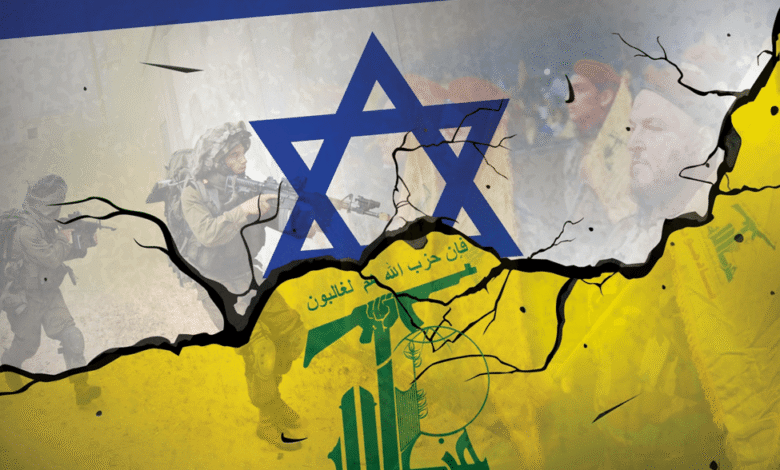
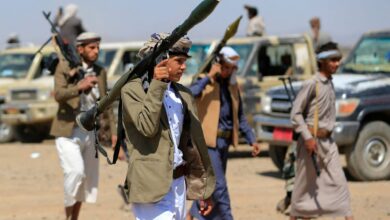
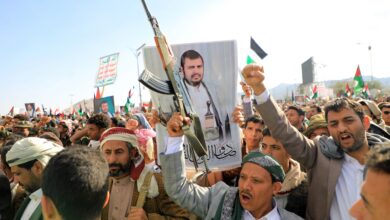
Hezbollah members are stepping up movements near Israeli troop positions in southern Lebanon. The activities are intended to test the Israeli military’s vigilance and assess its response to approaches along the so-called “Yellow Line”. They coincide with Israeli preparations for a possible new confrontation linked to regional escalation involving Iran.
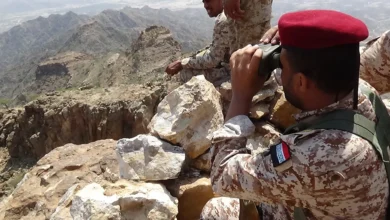
According to the sources, Hezbollah has intensified reconnaissance and surveillance in areas adjacent to Israeli positions in recent days. It is using small groups and individuals moving alone in civilian clothes to approach contact zones and observe troop movements and security measures protecting the positions.
The activities reportedly focus on assessing Israeli readiness, responses to suspicious movements and recent changes in troop deployments. So far, however, there are no confirmed indications that Hezbollah is preparing a large-scale attack.
The sources said security agencies were monitoring these movements amid concerns that mutual reconnaissance could develop into direct military clashes, particularly as Israeli alert levels rise and the risk of regional escalation increases.
Israeli reinforcements and heightened border readiness
Separately, the sources said the Israeli military had repositioned units and raised its readiness on the Lebanese front. They cited information suggesting that the bulk of reserve forces had been moved towards the Lebanese border in anticipation of a possible resumption of military confrontation with Iran and its allies.
The Israeli measures include reinforcing positions and increasing combat readiness while keeping forces prepared to respond rapidly to developments on the Lebanese front.
The information overlaps with recent Israeli military reports of Hezbollah movements near the Ali al-Taher heights and Beaufort Castle, also known as Qalaat al-Shaqif. Large Israeli military formations also remain deployed in southern Lebanon.
The sources warned that heightened readiness could precede a decision to launch a new military operation. They did not rule out, however, that the current developments were precautionary preparations and tactical repositioning pending a clearer picture of the regional confrontation.
A plan to expand the security zone
The Lebanese security sources described an Israeli military proposal to establish an additional buffer zone, or a forward military barrier, ahead of Israeli positions inside southern Lebanon. It includes the possibility of advancing towards Wadi Barghouz and parts of Mount Rihan to widen the protective perimeter around the Israeli-controlled area.
According to the sources, the plan would create additional security depth and a zone under Israeli fire control, allowing troops to monitor routes surrounding their positions and prevent Hezbollah groups from approaching or using those routes for military operations.
The sources stressed that the proposal remained under military study and assessment, with no decision taken to implement it. Israeli leaders were weighing the need to improve force protection against the risks of advancing into new areas.
They added that current assessments did not favour a large-scale ground operation. Instead, they focused on possible limited movements targeting geographically significant military positions, should a decision be taken to move from heightened alert to action on the ground.
Wadi Barghouz and Mount Rihan are particularly significant because of their terrain and elevated positions overlooking several routes. Taking control of parts of these areas is therefore among the options being considered to expand surveillance and fire-control capabilities.
Three confrontation scenarios
Military and strategic expert Mohammad Youssef al-Nour said the current movements reflected a Hezbollah attempt to test Israel’s surveillance network, while Israel sought additional defensive depth in preparation for possible escalation.
Al-Nour outlined three scenarios. The first would involve continued heightened alert and mutual reconnaissance, accompanied by limited strikes, without changes to deployment lines.
The second would involve a limited Israeli operation towards Wadi Barghouz and the Rihan heights to establish a zone under fire control and forward observation posts. This would require a military and political decision that has not yet been confirmed, he said.
The third scenario would arise from a broader confrontation with Iran and Hezbollah’s renewed involvement in a war supporting Tehran. Israel could then expand its strikes against the group’s military capabilities and command centres.
A large-scale ground operation would remain more complex because of the requirements for force mobilisation, deployment and holding territory. Current preparations therefore do not make war inevitable, the expert said, but give Israel options for responding to a sudden shift on the Lebanese front or in the regional confrontation.
Southern Lebanon faces another test
Military movements on both sides of the “Yellow Line” remain driven by deterrence and preparedness calculations, as the parties monitor tensions between Iran and Israel and their potential repercussions for the Lebanese front.
While Hezbollah continues sending reconnaissance personnel near Israeli positions, Israel retains options for expanding its operations, including a proposed advance towards Wadi Barghouz and Mount Rihan that has not yet moved into implementation.
The main danger remains that a limited clash on the ground or a new regional confrontation could alter military calculations and draw both sides into fighting that goes beyond the current state of heightened alert.