Iran chooses its new Supreme Leader
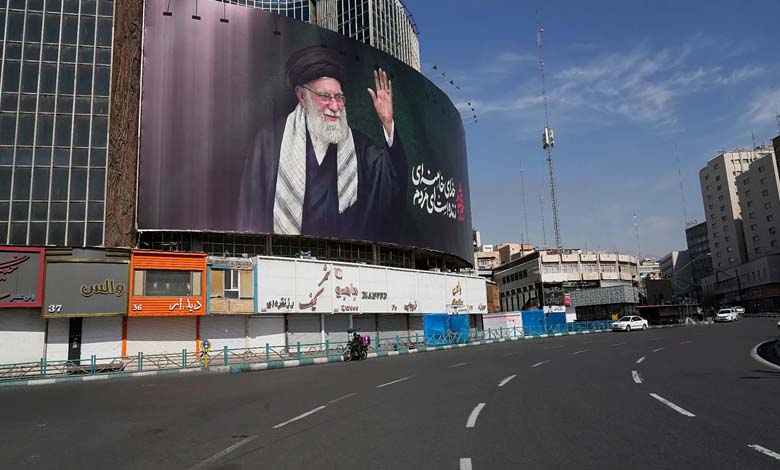
Members of the Assembly of Experts resorted to virtual communication platforms to select Khamenei’s successor due to intense airstrikes targeting the main political and religious centers.
At a pivotal moment in the history of the Islamic Republic since its establishment in 1979, members of Iran’s Assembly of Experts have completed a sealed written voting process to choose the successor to the late Supreme Leader Ali Khamenei, according to informed Iranian sources, without providing further details. This exceptional step comes amid complex security conditions that have placed the governing institutions in Tehran before a critical challenge: ensuring continuity or facing potential collapse.
-
Iran war and munitions: $5.6 billion spent in the first two days, laser is the solution
-
Two dead and one injured after an Iranian cluster-warhead missile falls in central Israel
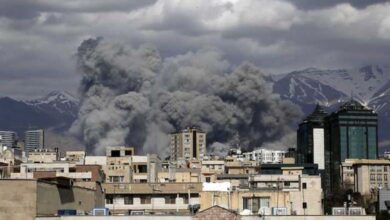
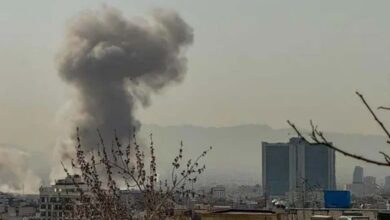
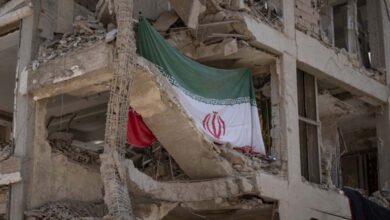
The selection process was far from conventional. Due to intense airstrikes targeting key political and religious centers, including the council’s office in Qom and the historic parliamentary building in the fortified “Pastour” district of Tehran, members were forced to rely on secure virtual communication platforms to conduct their deliberations.
To ensure full constitutional legitimacy and prevent any future challenges or suspicions of a power vacuum, the council adopted a “documented voting” mechanism. Votes were collected manually and accompanied by sealed signatures from members at their undisclosed locations in order to verify identities and prevent cyber intrusions, pending the announcement of the individual who will lead the country through the current storm.
-
Iran after Khamenei: a disoriented regime and a silent struggle over the Supreme Leader
-
Aircraft from the Vietnam War era: Iran’s air force as a strategic weakness
The expected announcement comes under the shadow of unprecedented Israeli threats. Israel’s Defense Minister Israel Katz reportedly placed “the head of the next leader” on the list of assassination targets even before he begins his duties. Katz’s statements on 4 March were not merely psychological warfare but reflected a broader “decapitation strategy” pursued by Tel Aviv and Washington aimed at undermining the structure of Iranian authority.
Attention is now focused on the identity of the figure chosen through the sealed ballot process, amid fundamental questions: did the council select a “confrontational” figure capable of managing military escalation, or did it opt for a “pragmatic” choice with diplomatic flexibility to salvage what can still be preserved?
-
Between the palace and the hawks in Iran: a battle of attrition and power
-
The sixth attack since midnight: Israel detects and intercepts an Iranian missile attack
Uncertainty also surrounds how the new leader will be formally installed under an insecure sky. Will he appear publicly immediately after the announcement of the results, or will he remain a “leader in the shadows” for security reasons?
In short, Iran now stands on the threshold of the era of the “third Supreme Leader.” This phase appears to be shaped more in military operations rooms than in the corridors of religious seminaries. The coming hours will determine not only who will occupy the highest seat of leadership, but also the trajectory of the major confrontation in the region: whether it will slide toward a full-scale war or lead to a forced settlement under the pressure of mutual deterrence.
-
The war against Iran: a conflict aimed at shaping the future of the global system
-
After Iran… Trump identifies the next country