Iran protests: a growing movement, escalating military rhetoric, and a watching world
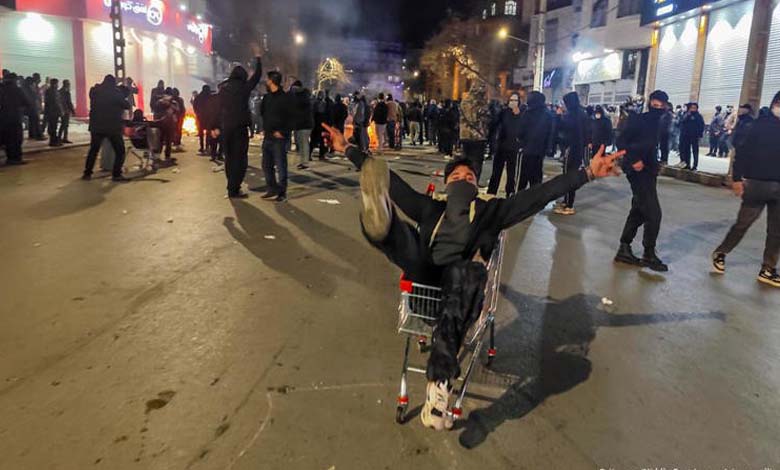
Protests in Iran are entering a highly sensitive phase, amid growing fears that the popular movement could turn into a broader confrontation as military rhetoric intensifies.
-
Iran without internet for a second day as the army comments on protests
-
A challenge in African waters: China, Russia and Iran launch naval drills
Widespread demonstrations are being closely monitored by Israel, amid concerns that U.S. threats to launch strikes against Tehran could push the situation toward a wider regional escalation extending beyond Iran’s borders.
On Sunday, Israeli Prime Minister Benjamin Netanyahu said that his country is “closely monitoring” the repercussions of the Iranian protests, praising what he described as the “courage of Iranian citizens,” while at the same time condemning the “killing of civilians.”
Netanyahu held a phone call late Saturday night with U.S. Secretary of State Marco Rubio, during which they discussed several issues, including developments in Iran.
-
Israel tracks Iran through three main fronts — amid fears of a surprise factor
-
Nine waves in a quarter century: the history of protests in Iran
Is a strike approaching?
For its part, the Israeli military confirmed that it has issued no new instructions to civilians regarding staying close to shelters, as it had done in previous periods when there were tangible threats of Iranian missile attacks.
The military described the protests, which have been ongoing since December 28, as an “internal Iranian matter,” while stressing its readiness to “respond forcefully if necessary.”
A former Israeli intelligence official said it is unlikely that Israel would initiate an attack on Iran, even though the current situation could present an easy target due to the weakness of Iran’s leadership and its preoccupation with the protests sweeping the country.
-
From Amini to the market protests in Iran: the same anger — with a striking new feature
-
Basij member killed during protests in western Iran
Dani Citrinowicz, who previously headed the Iran research division in one branch of Israeli military intelligence and now serves as a senior researcher at the Institute for National Security Studies, said: “From Iran’s perspective, the last thing it wants is to divert its attention toward Israel.”
He added: “Their top priority is to restore calm and stability inside Iran.”
Citrinowicz explained that the current situation in Iran is so unstable that Israel will most likely wait to see how events unfold. He added that “neither side wants” to begin a new round of the twelve-day war that erupted last summer.
-
Iran faces the most dangerous total war with Israel and the United States
-
America, Iran, and the nuclear issue: Who can break the stalemate?
Mutual warnings
The conflict erupted last year when Israel targeted Iranian nuclear and military sites, saying it would not allow Tehran to develop nuclear weapons. Iran has consistently maintained that its nuclear program is peaceful.
Israeli strikes on Iran killed 1,190 people and wounded 4,475 others, according to the U.S.-based Human Rights Activists News Agency.
In response, Iranian missile attacks killed around 30 people in Israel and injured approximately 1,000 others.
During the war, the United States provided assistance to Tel Aviv by dropping bunker-busting bombs on several Iranian nuclear sites.
-
Iran redirects its nuclear program toward producing compact warheads for missiles
-
Washington targets Iran’s weapons supply lines beyond Gulf waters
U.S. President Donald Trump posted several times about Iran on social media over the weekend.
On Sunday, Trump said he was considering the possibility of taking military action against Iran, amid growing reports of a bloody crackdown on protests.
Asked by reporters aboard Air Force One whether Iran had crossed the red line he had previously set regarding the killing of protesters, Trump replied: “It looks like they have started to do so.”
He added: “We are following the situation very seriously, the military is following it, and we are looking at some very strong options. A decision will be made.”
-
Facilities and uranium: The Atomic Agency adopts a resolution demanding Iran’s full and immediate cooperation
-
Iran comments on Trump’s plan: We support any initiative to stop the fighting in Gaza
In this context, Citrinowicz warned that any external attack could backfire by strengthening nationalist sentiment and uniting Iranians against a foreign enemy, potentially weakening the momentum of the protests rather than reinforcing it.
In a notable escalation, Iranian Parliament Speaker Mohammad Bagher Ghalibaf warned on Sunday that U.S. and Israeli forces would become “legitimate targets” if Iran were subjected to a new attack, as chants of “death to America” echoed inside parliament.
Meanwhile, the U.S. State Department stressed that President Donald Trump “does not make empty threats,” referring to his record of carrying out military warnings.
-
Sanctions on Iran Threaten the Regime as Public Anger Grows
-
From ‘The Spider’s Den’… Iran Announces an Infiltration into Israel and Reveals a Treasure
Israeli researchers believe that Tel Aviv does not wish to intervene directly in Iran’s internal affairs.
Menachem Merhavi, an expert on Iranian affairs at the Hebrew University, said that Israel’s focus is primarily on military threats, especially ballistic missiles, rather than on the nature of the ruling system in Tehran.
He added that any Iranian attack on Israel at this stage would amount to “political suicide for the regime,” given the widespread international criticism of its handling of the protests.
He noted that the most Israel might do would be limited and indirect support, such as facilitating internet access, but he considered even that scenario unlikely.
-
Iran executes man convicted of spying for Israel
-
Large-scale cleanup operation at a nuclear site: Is Iran erasing evidence of secret activity?
A movement growing despite the internet shutdown
The protests continue despite a nationwide internet blackout that has lasted for more than 72 hours, according to NetBlocks, which monitors global internet connectivity.
Human rights organizations have said that the communications blackout hampers the flow of information, expressing concern that the actual number of victims may be far higher.
Iranian authorities, for their part, say they distinguish between what they describe as legitimate protests over the deteriorating economic situation and “rioters” whom they accuse of receiving support from the United States and Israel.
-
Under the Rubble… Iran reveals the fate of uranium after the U.S. strike
-
Diego Garcia: U.S. Withdrawal from a Base Used to Deceive Iran
-
Assassinations and Kidnappings: Iran Responds to Western Accusations