Iran wary of Trump… a new ploy or a chance for peace?
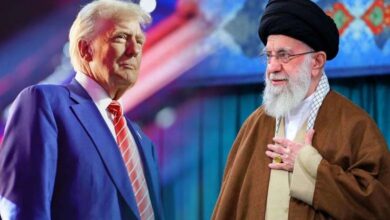
Iran is cautiously observing President Trump’s efforts to revive peace talks, amid fears of a new “ploy.”
This was reported by the American website Axios, citing a source familiar with the behind-the-scenes diplomatic communications.
According to what was on Axios, Iranian officials have expressed growing skepticism toward U.S. President Donald Trump’s moves to initiate peace talks, considering that they may merely be a “new ploy.”
According to the source, Tehran has informed mediating countries — including Pakistan, Egypt, and Turkey — that it had been “deceived twice,” in its words, by Trump during previous rounds of negotiations, stressing: “We do not want to be deceived again.”
Military pressure and simultaneous negotiations
Washington is seeking to hold direct talks with Iran as soon as possible, possibly as early as tomorrow, Thursday, likely in Islamabad.
However, during the previous two rounds of U.S.-Iran talks, Trump gave the green light for devastating surprise attacks while still speaking about his desire to reach an agreement.
Previous negotiation rounds were marked by sudden attacks backed by the United States, despite continued rhetoric about pursuing an agreement.
Last June, just days before a scheduled round of nuclear talks, Israel attacked Iran with Trump’s support.
Then, three weeks ago, the United States and Israel reached a preliminary agreement in Geneva to resume talks the following week, just two days before the U.S.-Israeli attack launched on February 28.
Iranian doubts
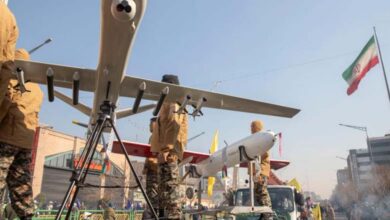
Tehran’s doubts have increased after observing large-scale U.S. military movements, including the deployment of significant reinforcements to the region.
Iran believes these movements reinforce the hypothesis that the call for negotiations may serve as cover for military escalation — a message it conveyed to mediators.
However, for the Trump administration, the military buildup is seen as proof of its seriousness in negotiating “from the decks of warships,” not as evidence of bad faith.
In this regard, one of Trump’s advisers stated that he “extends one hand for negotiation, while the other is ready to strike.”
Attempts to build trust
The White House has sought to reassure Tehran through messages affirming the seriousness of negotiations, and has also raised the possibility of Vice President Vance participating in the talks.
Two sources said that U.S. envoy Steve Witkoff nominated Vance due to his position and because Iranians do not view him as a “hawk.”
On Tuesday, Trump revealed to reporters a clear effort to build trust with the Iranians.
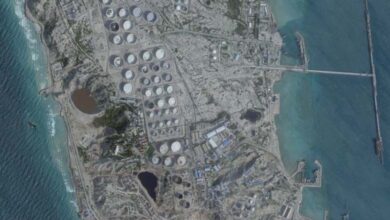
In a notable context, Trump spoke of what he described as a “gesture of trust” from Iran, consisting of a “major gift” related to the oil and gas sector, without providing details, noting its connection to navigation in the Strait of Hormuz.
“Negotiating with bombs”
Despite talk of a diplomatic path, Washington continues to strengthen its military options. U.S. and Israeli estimates suggest that military operations could continue for several weeks, even if negotiations begin.
U.S. and Israeli officials say Trump is simultaneously seeking to expand diplomatic options and escalate military pressure in order to make decisions based on developments.
These officials added that plans to continue the war for another two to three weeks remon the table.
Trump even asked Defense Secretary Pete Hegseth on Tuesday to continue military pressure on Iran, according to a White House official cited by Axios.
Hegseth told reporters in the Oval Office: “We are negotiating with bombs.”
The White House official added that Trump remains optimistic about the negotiations and that holding a meeting in Pakistan is possible, but nothing has yet been finalized.
At this stage, Iran’s priority appears to be stopping the bombardment and securing a ceasefire, while the United States wants to see whether the Iranians will make concessions they were unwilling to offer in previous negotiations, according to the same source.
A 15-point U.S. plan
American and Israeli media reported that Iran has received, through mediators, a 15-point U.S. plan comprising a comprehensive package that includes: ending the war, reopening the Strait of Hormuz, lifting sanctions, and obtaining guarantees regarding Iran’s nuclear program, missile program, and support for regional allies.
Washington seeks to discuss this plan comprehensively during a potential meeting in Pakistan, although its date has not yet been officially confirmed.