Iraqi Hezbollah sets conditions to halt attacks on the U.S. embassy.
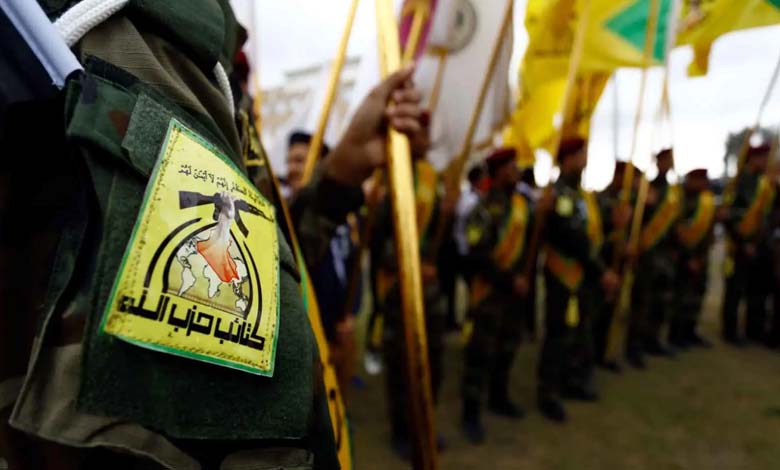
The demands include ending Israeli attacks in Beirut’s southern suburbs, refraining from U.S. strikes in populated areas inside Iraq, and reducing U.S. intelligence presence outside the embassy.
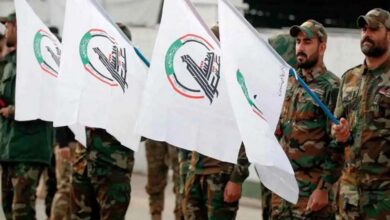
The Iran-aligned Iraqi Hezbollah Brigades have put forward conditions to stop attacks targeting the U.S. embassy in Baghdad, once again highlighting the entanglement between Iraqi decision-making and regional dynamics, particularly amid escalating tensions between Washington and Tehran.
-
Leaks from the Secret Meeting: Iran Refuses to Support Hezbollah and its Iraqi Militias Against Israel
-
Iraqi factions threaten to target European interests in support of Iran
According to a statement issued by a security official within the group, the leadership has decided to suspend operations targeting the U.S. embassy for five days, provided that a set of demands is met. These include halting Israeli military operations in Beirut’s southern suburbs, the cessation of U.S. strikes in populated areas within Iraq, and reducing the U.S. intelligence presence outside the embassy by confining it to within its premises, with an exception made for the Kurdistan Region.
The articulation of these conditions reflects an attempt to link the Iraqi arena to broader regional developments, reinforcing accusations that these factions operate according to an agenda that extends beyond national borders and aligns with Iranian interests in the region. Conditioning the cessation of military operations in Lebanon on de-escalation in Baghdad, observers argue, demonstrates the use of Iraqi territory as leverage in external conflicts.
-
Hezbollah and Iran’s war: Lebanon fears the cost of supporting Tehran
-
Accusations against Iran of using Iraqi militias to suppress protests
The statement also carried a threatening tone, with the Brigades warning of a resumption of attacks at a higher intensity and in a more targeted manner should the conditions not be met after the specified deadline. At the same time, they called on Iraqi authorities to fulfill their responsibilities in protecting diplomatic missions and the economic interests of states not involved in the conflict, excluding U.S. forces and Israel from this consideration.
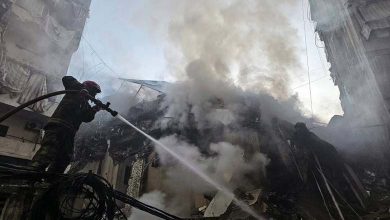
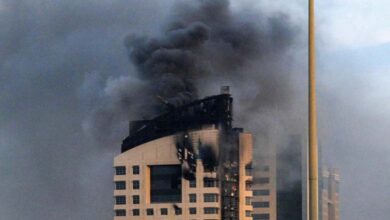
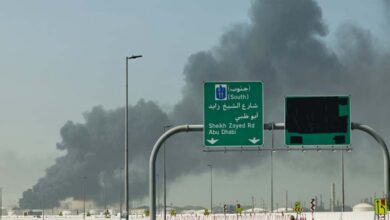
This development follows a wave of attacks targeting the U.S. embassy over a short period, using rockets and drones, indicating a growing operational capability among these groups and increased boldness in striking sensitive locations in the capital.
-
Hebrew Newspaper: Israel Braces for an Attack by the Houthis and Iraqi Militias
-
Iraq designates Hezbollah and the Houthis as terrorist organizations
In response, the Iraqi government has reiterated its firm rejection of these attacks, describing them as a serious violation of national sovereignty and a direct threat to its interests. It also warned that the continuation of such operations could lead to significant security and political repercussions and undermine Iraq’s international relations.
The United States has repeatedly urged Iraqi authorities to take decisive action against these factions, including dismantling them and preventing attacks on U.S. and Western interests. Reports also indicate that the Kurdistan Region has been among the areas most frequently targeted by missile and drone attacks by these groups.
-
Thirty years of pursuing him inside Hezbollah… How did Israel reach al-Tabtabai?
-
Israel Announces Killer Beam to Counter Hezbollah
Analysts believe that Iraq has become an open arena for the exchange of military signals between regional and international actors, taking advantage of internal fragility and the multiplicity of armed groups. This situation complicates efforts to contain escalation and makes any security incident a potential trigger for a broader confrontation.
As attacks persist and reciprocal escalation continues, concerns are mounting over the risk of the country sliding into an open conflict, particularly in the absence of a clear political pathway to contain the crisis. Iraq now appears to stand at a critical crossroads, where domestic considerations intersect with the calculations of regional powers, leaving it vulnerable to shifts that could reshape the regional balance.
-
Hezbollah courts Trump with a language of interests: from the Great Satan to investment opportunities
-
Tehran Begins Renovation of the “House of Resistance” by Expanding Armament for Iraqi Popular Mobilization Forces
This escalation unfolds within a broader regional context marked by sustained tensions over recent weeks, characterized by indirect confrontations between the United States and Israel on one side and Iran on the other, through missile strikes and drone attacks whose repercussions extend across multiple arenas, including Iraq, which once again finds itself at the center of a conflict that exceeds its borders.
-
After Iraqi Factions Abandoned It, Khamenei: Iran Does Not Need Proxies in the Region
-
Iran Relies on Houthis and Iraqi Militias to Support Gaza