Israel and Syria Negotiations: Deadlock and Conflicting Conditions
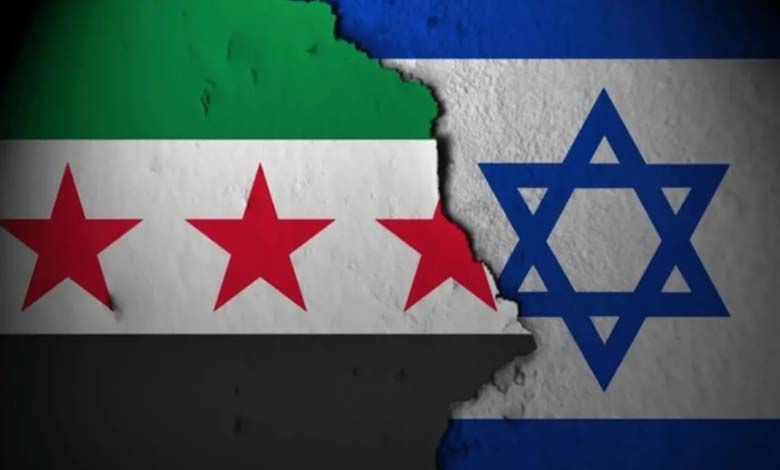
Negotiations between Israel and Syria over a new security agreement have reached a deadlock due to major disagreements that emerged during sessions held in Paris and Baku under U.S. sponsorship, according to matching Israeli and Syrian reports.
-
Details of Israel’s first airborne landing of its kind in Syria
-
Key Provisions of the Expected Security Settlement Agreement Between Syria and Israel
According to the Israeli Broadcasting Authority, the failure is attributed to Damascus’s insistence on the withdrawal of the Israeli army from areas it has controlled since the fall of the Assad regime in December 2024, while Tel Aviv conditions any withdrawal on the signing of a “comprehensive peace agreement,” refusing to settle for a mere “security agreement.”
Syrian President Ahmad Al-Sharaa told the American newspaper The Washington Post that the negotiations had made “considerable progress.”
However, he emphasized that reaching a final agreement would require Israel to return to its pre-December 8, 2024 borders, noting that “Israeli expansion in southern Syria is driven not only by security concerns but also by political ambitions.”
-
Israel Fears a New October 7 from Syria and Strengthens Borders with Barriers and Additional Forces
-
After Al-Sharaa’s Visit to Washington: What Awaits Syria?
Current disagreements revolve around three main issues:
- Israel’s withdrawal from Mount Hermon, the buffer zone, and the depth of Quneitra.
- Tel Aviv’s demand to remove heavy weaponry from southern Syria.
- The dispute over Israeli air movement freedom within Syrian airspace.
-
The Foreigners Brigade Returns to the Spotlight in Syria: What Is Happening in Idlib?
-
The Entry of Syrian Islamic Factions into Politics: Tactical Shift or Genuine Transformation?
U.S. reports also indicated that Israel introduced a last-minute condition: the creation of a land corridor connecting it to the Suwayda province, which Damascus rejected.
Washington fears a total collapse of the process at a time when indicators of escalation are increasing, especially with ongoing Israeli airstrikes that have exceeded a thousand attacks over the past year.
Observers believe that negotiations may continue through narrow security channels, but a comprehensive agreement remains postponed due to the complexity of the field issues, regional rivalry, and conflicting interests among the guarantor parties.
-
Syria after al-Assad: Will the new army turn into another version of “ISIS”?
-
Hezbollah Cell in Syria: Details of the Terrorist Plot and Heavy Weapons Seizure
-
Syria Urges the UN Security Council to Take a Firm Stance Against Israeli Airstrikes
-
ISIS Booby-Traps Al-Hol Camp in Eastern Syria as Terrorist Operations Escalate Amid International Security Efforts