Lessons from the war with Iran: Washington triples Patriot production
The Pentagon announced that the United States is moving forward with an ambitious plan to increase the production of advanced air defense missiles, a step that reflects the growing importance of missile defense systems amid global security challenges.
Under a new agreement with Boeing and Lockheed Martin, Washington intends to raise its production of Patriot PAC-3 missiles from about 500 missiles annually to 1,500 missiles over the next seven years, representing a threefold increase over the current level, according to The National Interest.
This direction falls within a broader strategy to strengthen the U.S. defense industrial base. The Department of Defense concluded separate agreements with the two companies, under which Lockheed Martin serves as the primary contractor for missile production, while Boeing manufactures vital components, most notably the guidance unit known as the “seeker,” considered one of the most critical elements of interception accuracy.
Although the total value of the contracts was not disclosed, the cost of a single missile is estimated at approximately 7 million dollars.
Michael Duffey, Under Secretary of Defense for Acquisition and Sustainment, emphasized that expanding production requires a comprehensive restructuring of the supply chain, stressing that building a “true arsenal of freedom” depends on strengthening every link in the manufacturing chain, from suppliers to final assembly lines.
He added that the agreement reflects a shift in the Pentagon’s approach toward direct partnerships with key suppliers, ensuring faster production rates and the ability to meet operational needs on a large scale.
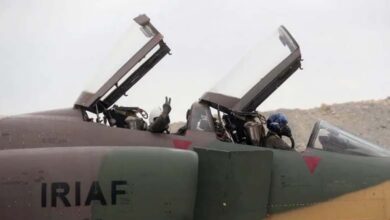
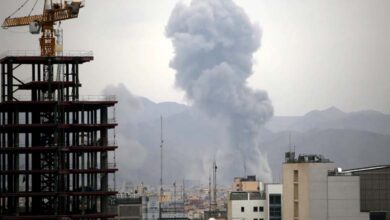
This step comes in light of field lessons drawn from recent confrontations, particularly in the context of the war with Iran, which revealed the high cost of modern air defense operations. The United States and its allies were forced to use hundreds of Patriot interceptor missiles to counter intense waves of ballistic missiles, cruise missiles, and drones, leading to noticeable stockpile depletion and placing heavy pressure on defense production capacity.
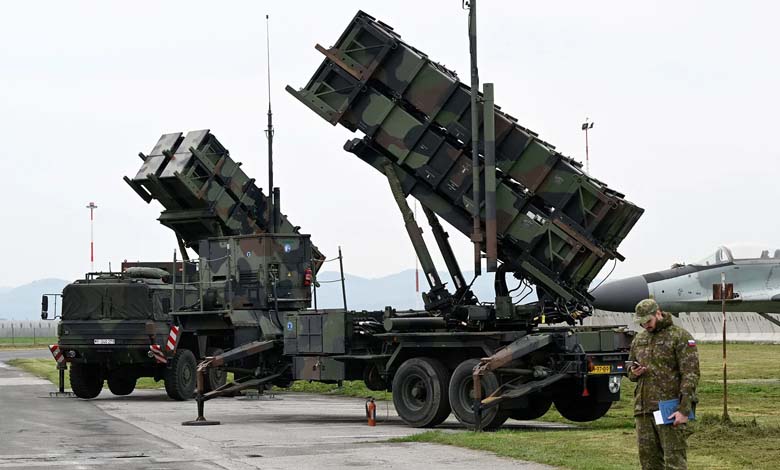
The MIM-104 Patriot system is regarded as one of the most advanced air defense systems in the world. It consists of an integrated architecture that includes an advanced radar capable of detecting targets at long distances, a central control station for engagement management, and missile launchers that can be distributed in the field to enhance flexibility and survivability in complex combat environments.
This architecture allows the system to operate in a decentralized manner, reducing its vulnerability to enemy strikes.
The PAC-3 missile, the latest version of the system, relies on “hit-to-kill” technology, destroying the target through direct impact rather than proximity detonation as in traditional systems, thereby improving interception accuracy and effectiveness against advanced threats.
The Patriot system is currently used by the United States and 17 allied countries, making the expansion of its missile production a decisive factor not only for strengthening U.S. defenses but also for supporting partners, especially in regions facing increasing missile threats such as the Middle East.
The decision to triple production reflects a strategic shift in U.S. defense priorities, based on preparedness for high-intensity wars requiring fast and flexible production capabilities, ensuring the preservation of military superiority in a security environment characterized by accelerating and increasingly complex threats.
Patriot MIM-104 system specifications:
• Entry into service: 1984
• Number of units produced:
– Batteries: approximately 1,300 batteries
– Missiles: approximately 10,000 missiles
– Cost of one battery: 1 billion USD
– Cost of one missile: approximately 7 million USD
• Armament: PAC-2 and PAC-3 missiles
• Missile speed:
– PAC-2: approximately 5,630 km/h
– PAC-3: approximately 6,170 km/h
• Radar range: more than 100 km
• Maximum altitude: 22,860 meters
• Crew: 3 personnel