Libyan Election Commission… Parliament approves the budget amid calls for elections
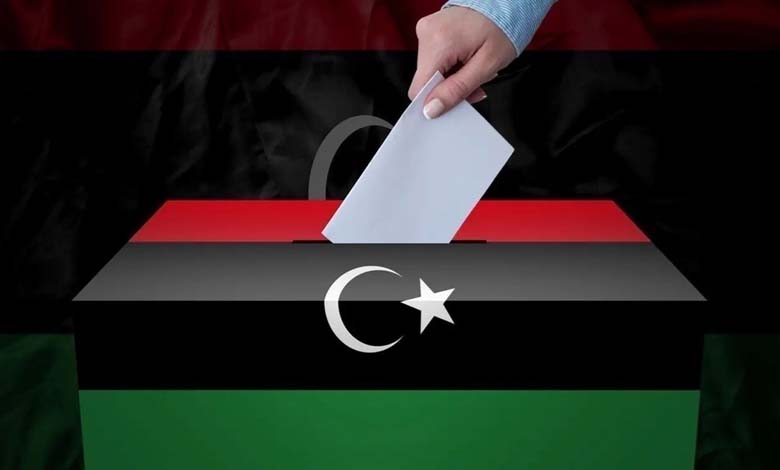
In support of the general voting process, Libya’s House of Representatives unanimously voted to approve the budget submitted by the High National Elections Commission.
The decision stipulates that the budget will be placed under the supervision of the Parliament’s Finance Committee, in a move considered direct support for implementing both the presidential and parliamentary elections.
During an official session held on Tuesday in Benghazi, the House of Representatives also endorsed the completion of appointments to the Elections Commission Council, thereby strengthening the Commission’s readiness for the coming phase.
-
Libyan Election Commission… Parliament approves the budget amid calls for elections
-
Tetteh set to present comprehensive roadmap on Libyan elections to the UN Security Council
Supporting the electoral path
For its part, the High National Elections Commission Council welcomed the decisions of the legislative authority, stressing that the process of filling vacant seats was based on Article (10) of Law No. 8 of 2013 establishing the Commission.
The Council clarified that its objective is not to cling to positions, but to present facts in the face of campaigns questioning its integrity and independence. It pointed to its success in organizing municipal elections across various regions of the country despite challenges and pressure, and to its refusal to bow to influential forces whose interests were harmed by the revival of the electoral track.
The Council called on political elites and activists to be accurate and objective when addressing electoral deadlines and the Commission’s powers, warning of the danger posed by spreading false information or issuing statements it described as filled with lies and fabrications.
-
On the road to Libyan elections… Islamist obstacles to prolong disputes
-
Saleh, al-Mishri meet in Cairo for Libyan elections
Human rights demands
Meanwhile, the National Human Rights Institution in Libya expressed its support for efforts aimed at advancing the political process, including holding general elections and building unified state institutions. However, it stressed the need to completely restructure the Board of the High National Elections Commission, rather than merely filling vacant seats.
The Institution referred to what it described as a “loss of confidence” among a wide segment of citizens in the current Board, holding it responsible for the failure of the December 2021 elections and for not holding a referendum on the draft Constitution completed in 2017, despite the issuance of a specific law regarding it.
It reaffirmed the Libyan people’s right to a constitutional referendum and to choose their representatives through free and fair elections, viewing this as the cornerstone for building a state of law and institutions and ending the prolonged transitional phases.
-
Disagreements between Aguila Saleh and al-Mishri delay Libyan elections
-
A year on the postponement of the Libyan elections.. Initiatives, dialogs and an unattainable date
Restructuring the Commission
The House of Representatives and the High Council of State had previously agreed, on September 30, to restructure the Board of the High National Elections Commission within ten days — something that has not yet been implemented.
In the same context, the UN Envoy to Libya, Hanna Tetteh, announced last August a roadmap extending between 12 and 18 months, confirming that appointing additional members to the Commission is a key step toward ending division and advancing the electoral process.
Additionally, the Speaker of the House of Representatives, Aguila Saleh, issued a decision assigning three members to coordinate with the High Council of State’s committee to complete the required milestones — foremost among them restructuring the Commission’s Board and other sovereign positions — with the results to be presented to Parliament for appropriate action.
-
Libyan Municipal Election Silence Shattered by Fires at Electoral Commission Offices
-
The hopes of Libyans rest on a political breakthrough with elections next year
-
They strive to return to ground zero… Libyan Brotherhood obstructs elections