Muslim Brotherhood in Pakistan: a plan to topple the state and replicate the Bangladeshi chaos scenario
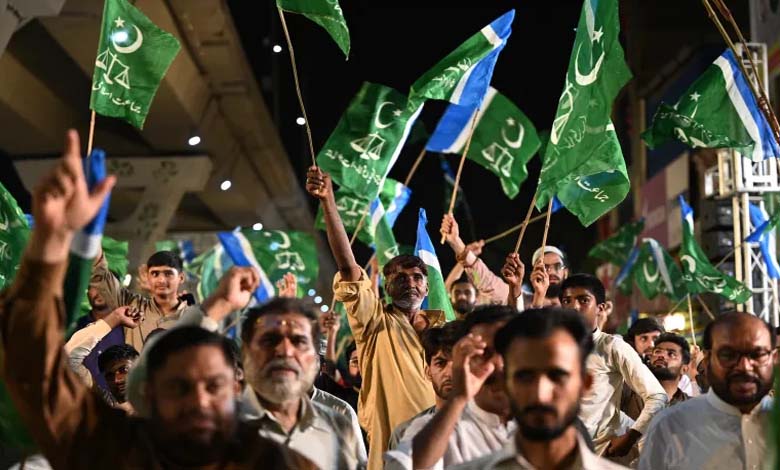
Jamaat-e-Islami, the political arm of the Muslim Brotherhood in Pakistan, has moved into a phase of “open confrontation” with the state, abandoning traditional opposition roles in favor of a comprehensive strategy of “street-level confrontation.”
Through its recent actions, the group is reportedly seeking to undermine the regime’s legitimacy and mobilize public sentiment to bring down the government, amid warnings that such a course could push the country toward instability and chaos.
-
Pakistan announces failure of peace talks with Afghanistan
-
Afghanistan’s unity and Pakistan’s security: talks to establish truce mechanisms
According to a report by Al-Bawaba News, the organization has begun implementing a plan aimed at “eroding confidence” in the democratic process. The rhetoric of its leader, Hafiz Naeem ur Rehman, has expanded beyond criticism of the government to questioning the legitimacy of elections, alleging that those in power are the product of “influential forces.”
Observers suggest that this shift reflects the group’s preference for resorting to the “law of the street” rather than parliamentary institutions, a strategy historically associated with Muslim Brotherhood-affiliated movements when they fail at the ballot box.
-
Pakistan and Afghanistan: Will negotiations cool the flames at the border?
-
Peace Amid Gunfire… Kashmir Shaken After India-Pakistan Ceasefire Declaration
The report further indicates that Jamaat-e-Islami seeks to craft a comprehensive “victimhood narrative,” linking security crises in the provinces of Balochistan and Khyber Pakhtunkhwa to government performance, in an effort to inflame regional tensions and consolidate public anger under its leadership. The group is also said to be exploiting the deterioration of public services in major cities such as Karachi, which has become a testing ground for gauging its capacity to trigger security confrontations.
In what analysts describe as a troubling sign of escalating rhetoric, the group’s leader has invoked the “Bangladeshi model,” a direct reference to the violent events that led to the fall of power in Bangladesh. The movement’s messaging reportedly included direct threats toward the police, urging them not to demonstrate “loyalty to the state.” Analysts interpret this as an attempt to fracture security institutions and pressure the federal government through a brinkmanship strategy.
-
India-Pakistan Escalation: China Offers Mediation.. US Secures Its Diplomatic Mission
-
India and Pakistan: Worst Escalation in Three Decades (Timeline)
Pakistan’s Muslim Brotherhood has also been accused of leveraging regional issues for political gain. Hafiz Naeem ur Rehman has reportedly used international matters to increase pressure on Islamabad, rejecting international counterterrorism cooperation and participation in multinational stabilization forces, in an effort to place Shehbaz Sharif’s government under intensified political strain.
-
Indian Army vs. Pakistani Army: Comprehensive Comparison of Military Power Between the Two Nuclear Neighbors
-
What are the factors that contributed to the spread of armed groups in Pakistan? A report answers