Negotiations between Damascus and Suwayda under U.S. mediation
The negotiations focus on the release of detainees, while Israeli media have reported efforts aimed at achieving a broader political and security settlement that goes beyond a simple prisoner exchange.
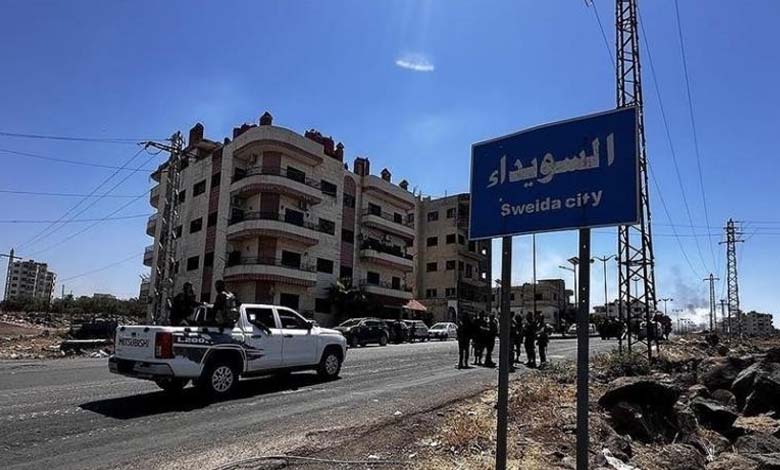
Southern Syria is witnessing notable political activity, highlighted by a U.S. role in sponsoring undisclosed contacts between the Syrian government and a prominent Druze religious authority, with the aim of addressing the issue of detainees linked to the violence that struck Suwayda province in recent months. Meanwhile, Hebrew-language reports suggest that the discussions extend beyond the detainee file toward a broader political and security arrangement, potentially paving the way for a future peace agreement similar to the one reached between Damascus and the Syrian Democratic Forces (SDF).
-
Shock in Syria after execution of medic at Suwayda hospital
-
Renewed Clashes Between Druze and Bedouin Tribes Prompt Government Forces to Return to Suwayda
According to a source familiar with the negotiations, Washington is playing a pivotal role in bridging positions between Damascus and the prominent Druze cleric Sheikh Hikmat al-Hijri, in a process focused exclusively on a detainee exchange. The source clarified that the current talks do not address wider political issues at this stage, but are confined to confidence-building measures beginning with the release of civilians detained since last summer.
Available information indicates that the current proposal includes the release by Syrian authorities of 61 civilians from Suwayda held in Adra prison, in exchange for the release of thirty members of the Ministries of Defense and Interior detained by local armed groups affiliated with a formation known as the “National Guard,” established after tensions escalated last July.
-
Deraa and As-Suwayda tribes form a unified Council to address security challenges
-
Syrian Analyst: What’s happening in Suwayda is attempts to sow discord and create a state of disturbance among citizens
On the ground, local sources report that mediation efforts have already led to the release of six individuals arrested in connection with the events in Ashrafiyat Sahnaya, which witnessed unrest in April 2025. Relative calm has also returned to the city of Suwayda after several days of tension. Roads that had been closed following the arrest of three young men from the village of Labin, suspected of involvement in the theft of telephone cables, have been reopened. The incident had sparked clashes between their relatives and members of the internal security forces, resulting in one death and one injury.
In the same context, media outlets, including Israel’s public broadcaster, have reported on a broader U.S.-sponsored negotiation track between Damascus and Druze leaders in the south, extending beyond a humanitarian exchange to discussions of long-term political and security arrangements. According to these reports, the proposed approach would grant expanded administrative and security powers to local bodies in Suwayda, in exchange for some parties scaling back demands for autonomy or separatist proposals, while keeping the province under Syrian state sovereignty.
-
Syrians and Palestinians barred from entering the United States alongside nationals of six other countries
-
Syria struggles to achieve stability on the first anniversary of al-Assad’s fall
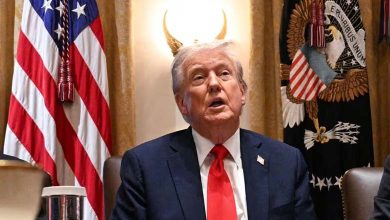
According to informed sources, Damascus is counting on the engagement of the U.S. administration led by Donald Trump to encourage the parties toward an understanding that would reduce the likelihood of renewed confrontations in the south and limit regional interference. Leaks suggest that the Syrian government is considering a formula that would confine deployment within the province to internal security forces only, without introducing regular military units, in order to avoid any escalation that could reignite tensions.
At the same time, Damascus is seeking to open channels of communication with Druze social and religious figures in an effort to recalibrate its relationship with the province and reduce the influence of individuals who challenge the legitimacy of central authority, foremost among them Sheikh al-Hijri, who advocates for the right of self-determination for Suwayda and calls for external support for this position—an approach categorically rejected by the Syrian government.
-
Al-Shar’a rejects the division of Syria
-
Israel and Syria Negotiations: Deadlock and Conflicting Conditions
Since July 13, Suwayda has witnessed clashes between Druze armed groups and Bedouin fighters, before the confrontation expanded with the intervention of government forces and the involvement of tribal gunmen. Although a ceasefire was reached on July 20, the situation remains fragile, with ongoing tensions and continued difficulties in movement to and from the province.
Between the detainee exchange track and efforts to shape broader arrangements, the U.S. mediation represents a delicate test of the ability to contain the crisis in the south, in a region where local dynamics intersect with complex regional and international considerations.
-
A Rocket Attack Shakes Damascus as Israeli Denial Deepens the Mystery
-
The Foreigners Brigade Returns to the Spotlight in Syria: What Is Happening in Idlib?
-
Syria after al-Assad: Will the new army turn into another version of “ISIS”?