Negotiations under fire: escalation in Ukraine precedes US–Russian talks
The war in Ukraine is entering a sensitive phase, combining diplomatic efforts led by Washington with continued military escalation on the ground, where reciprocal strikes continue to shape the rhythm of the conflict.
This escalation highlights the deep contradiction between the path of negotiation and the reality of fighting, amid complex international calculations that extend beyond Kyiv and Moscow to encompass Europe and the United States.
-
Ankara and Washington Discuss Sanctions and F-35… No Change Regarding S-400
-
Zelensky in London: how is Ukraine balancing Trump’s pressure and Europe’s confidence?
The Miami talks
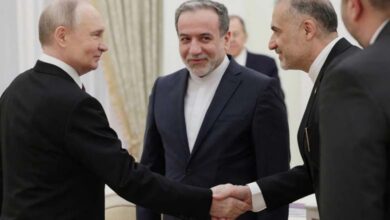
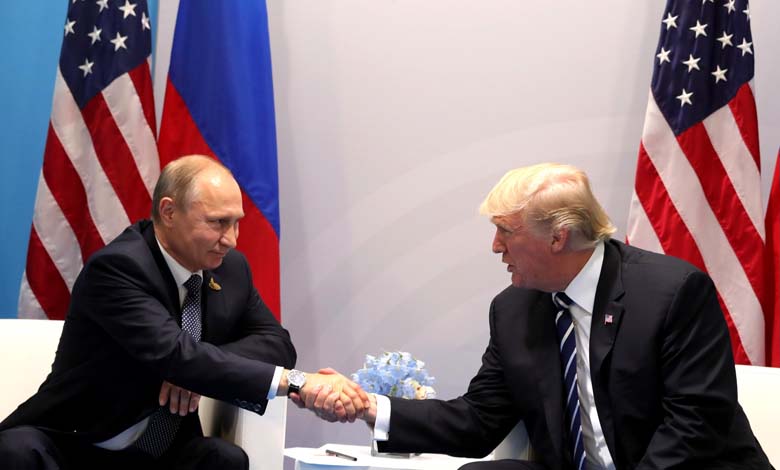
US and Russian officials are scheduled to meet in Miami later this week for a new round of discussions linked to President Donald Trump’s plan to end the war in Ukraine, according to a White House official.
These talks are part of US efforts to recalibrate the course of the conflict through direct channels with Moscow, outside traditional negotiating frameworks that have stalled in recent years.
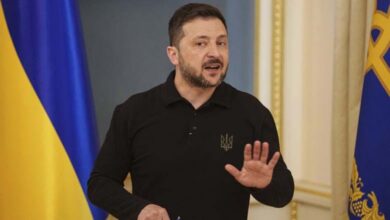
The announcement of the talks coincided with remarks by Ukrainian President Volodymyr Zelensky, who welcomed what he described as “progress achieved” during meetings held over two days in Berlin between a Ukrainian delegation and envoys of President Trump. At the same time, he warned that Russia was preparing for “a new year of war”, underscoring the deep trust gap that continues to define relations between the two sides.
-
The Washington attack brings it back into the spotlight… What do we know about the National Guard?
-
Trump’s peace plan for Ukraine: deadline for Kyiv until Thursday, and Putin comments
Reality outpaces politics
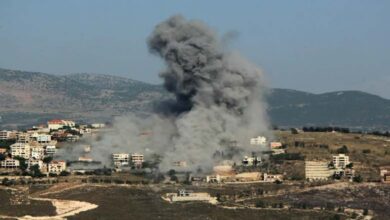
On the ground, Russian strikes have continued against the city of Zaporizhzhia and its surroundings in southern Ukraine. Air raids injured at least 32 people, including children, according to updated figures released by local authorities.
The shelling hit residential buildings and an educational institution, while scenes of destruction illustrated the scale of the damage suffered by the city, which lies close to the front line.
Zaporizhzhia, which had a population of around 710,000 before the launch of Russia’s military operation in February 2022, has been subjected to regular bombardment as Russian forces gradually move closer. The situation is further complicated by Moscow’s control, since March 2022, of the Zaporizhzhia nuclear power plant, the largest in Europe, giving the region a strategic significance that goes beyond its immediate military importance.
-
$100 Million Embezzlement Scandal Puts Zelensky in a Tight Spot
-
Ukraine’s Funding at Risk: Russian Assets Threaten to Divide the European Union
The war crosses borders
In response, Russian authorities announced that three people were killed in the Rostov-on-Don region following a Ukrainian drone attack on the port of the regional capital. The strike sparked a fire aboard a cargo vessel, killing two crew members, while a civilian was also killed and several others injured in the nearby town of Bataysk.
These attacks form part of Ukraine’s response to the daily bombardment it has endured for years. Kyiv has intensified its use of drones to strike energy infrastructure inside Russia, aiming to undermine Moscow’s ability to finance its military operations and to shift part of the cost of the war onto Russian territory.
-
The power went out during the interview… What did Zelensky say about Trump and Putin?
-
The Russian Harmony system: A secret ploy to shield nuclear submarines
Frozen Russian assets: Western divisions and US pressure
On the financial and political fronts, senior Ukrainian sources revealed that the US administration is exerting pressure on European countries to discourage them from using frozen Russian assets to support Kyiv. This comes despite the existence of a plan within the European Union to mobilize these assets to provide Ukraine with a 90-billion-euro loan over the next two years.
The value of frozen Russian assets in Europe is estimated at around 210 billion euros, most of which are held in Belgium by Euroclear. While a majority of EU member states support this option, Belgium has expressed reservations, fearing Russian retaliatory measures and raising concerns about the credibility of the European financial system.
A US official told Agence France-Presse that some European countries are seeking Washington’s intervention “behind the scenes”, as they are reluctant to appear publicly opposed due to concerns over long-term damage to investments and market confidence. Meanwhile, White House deputy spokesperson Anna Kelly stated that the United States’ role is limited to “facilitating dialogue” between Kyiv and Moscow on the issue of these assets, without adopting a definitive stance.
-
The world’s first autonomous fighter: a technological leap and an ethical dilemma
-
After Gaza… Trump sets the peace compass toward Ukraine and receives Zelensky