Power on the brink of collapse: Al-Jakoumi’s recording breaks the wall of silence
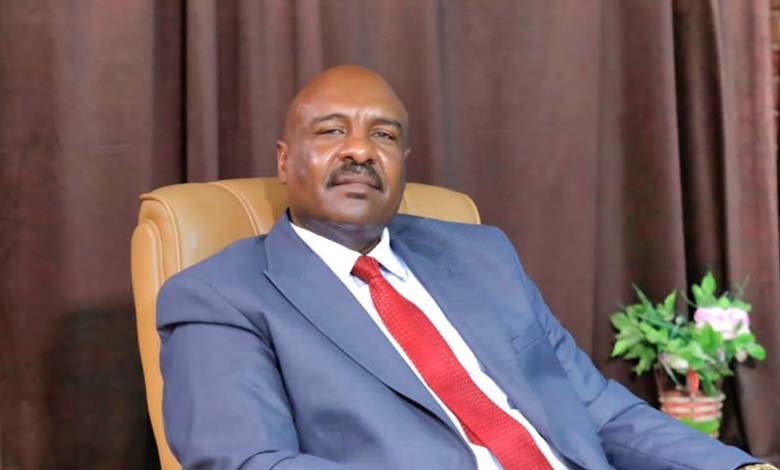
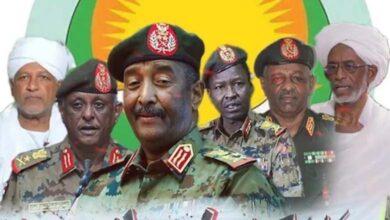
The release of the audio recording attributed to Mohamed Sayed Ahmed Al-Jakoumi was not a mere passing media incident, but rather a revealing moment exposing the true nature of the conflict within the Sudanese authorities. Emerging at an extremely sensitive time, the recording dismantled many official narratives and showed that what is happening behind the scenes is far more dangerous than what is publicly declared, and that divisions within the leadership have reached a stage that is difficult to conceal.
-
When the Street Awakens: How Sudanese Awareness Becomes a Weapon to Challenge War Authorities and Demand Justice
-
European humanitarian projects for Sudanese displaced persons worth 95 million euros
The content of the recording highlights a discourse reflecting a closed organizational mindset, based on classifying adversaries and allies and prioritizing ideological loyalty over any national consideration. This discourse, historically associated with the Muslim Brotherhood current, has revived long-standing fears about the continued dominance of this trend over decision-making centers, despite the revolutions and uprisings Sudan has experienced against this approach.
The reactions following the publication of the recording left little doubt that Al-Jakoumi now occupies a weakened position. Instead of public defense, silence or implicit disavowal prevailed, reflecting an internal consensus to sacrifice him in order to ease pressure. This behavior confirms that the conflict within the leadership is not a clash of principles but a struggle over positions, where anyone who becomes a burden is sidelined regardless of their former status.
-
Heglig reshapes the balance of the Sudanese war… and Washington repositions itself
-
The world rejects coups d’état and stands with the will of the Sudanese people
At the same time, talk is intensifying about a possible sidelining of Jibril Ibrahim, who is himself facing an erosion of his political capital. Jibril, whose name has been linked to complex economic files and controversial alliances, has become a symbol of the failure to manage the current phase. He has also become part of a broader image of the dominance of leaders with a Brotherhood background over decision-making, without offering real solutions to the crisis.
What links the fate of Al-Jakoumi and Jibril is that they are products of the same system, which for years relied on recycling the same faces within the same framework, changing roles but not policies. This system, built on the Brotherhood’s infiltration of the state, now finds itself facing a real test, with rising popular awareness and a declining ability to control the scene through rhetoric or repression.
-
Between Sudanese Army Statements and Rapid Support Forces Denials: What Really Happened in Nyala?
-
Power and Influence Struggles: Infighting Rocks Sudanese Army Alliances
The fractures revealed by the recording are not new in essence, but this is the first time they have appeared so clearly. The conflict between the Brotherhood’s different wings has existed for years, but it was managed behind closed doors. Today, with the weakening of the center, these conflicts have surfaced openly, exposing the fragility of alliances and the lack of trust among the leaders themselves.
The Sudanese street is watching these developments with great suspicion, aware that changing individuals does not necessarily mean changing policies. Past experiences have taught it that removal is often merely an internal rearrangement rather than a genuine response to demands for reform. Therefore, any move to isolate Al-Jakoumi or distance Jibril will be measured by its connection to dismantling Brotherhood influence, not by merely absorbing public anger.
-
With a Major Arms Deal for the Sudanese Army.. Brotherhood Leader Salah Gosh Returns from the Shadows
-
Sudanese Army Soldiers and Islamist Militias Accused of Looting Homes and Assaulting Civilians
Ultimately, the audio recording and its repercussions reflect a structural crisis within the Sudanese leadership, where politics intertwines with ideology and the state is managed with an organizational rather than an institutional mindset. Unless this reality is acknowledged, Sudan will continue to revolve in a vicious cycle of conflicts, and every new leak will only serve as further proof that the problem is deeper than individuals and too dangerous to be solved by removing a single person or sidelining a single name.
-
Sudanese Army Under Fire: Allegations of Civilian Abuses and Obstruction of Humanitarian Aid Amid International Calls to End the War
-
Human Rights Organizations: Sudanese Army Involved in Summary Executions That Have Claimed Dozens of Civilian Lives