Replacing the engineer of the White House’s largest project… and mystery surrounding the secret bunker
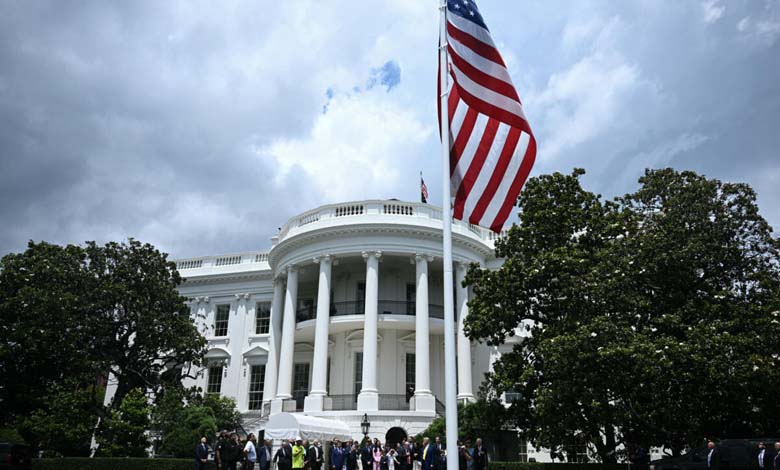
With an estimated cost of 300 million dollars, Trump has replaced the engineer responsible for what he has called “the largest addition to the White House in decades,” amid continued ambiguity surrounding the secret bunker.
According to the Washington Post, President Donald Trump replaced the architect he had personally selected to design the White House reception hall, ending the involvement of a specialized firm whose selection had raised questions from the outset about its ability to execute such a major and high-profile project.
-
Room 140: The Sensitive Materials Wall Deepens the White House’s Rift with Reporters
-
The White House Guardian: U.S. Approves Sale of Advanced Air Defense Systems to Egypt
Three people familiar with the project said that for more than three months, James McCrery and his architecture firm led the design work for the 300-million-dollar Trump Hall building—until late October, when he stopped working on the project.
It remains unclear whether McCrery stepped down voluntarily, but the parties separated amicably and remain on good terms, according to one source.
Trump and McCrery had disagreed over the president’s desire to continue increasing the size of the building. However, one source said that the firm’s limited workforce and inability to meet deadlines ultimately became the decisive factor in his departure.
-
A child breaches the imposing fences: An unexpected intrusion into the White House
-
2024 U.S. Election: 5 Major Issues Determining the Next White House Occupant
A new architect selected
Trump selected architect Shalom Baranes, who has decades of experience designing and restoring government buildings in Washington, to take over the project, according to two sources.
Baranes’s firm has overseen several major projects, including work at the Department of the Treasury and the General Services Administration headquarters.
“As we begin the next phase of developing the White House Hall, the administration is pleased to announce the addition of Shalom Baranes—whose long-standing expertise has shaped the capital’s architectural identity for decades—to the team responsible for implementing President Trump’s vision for the most significant White House addition since the Oval Office: the Celebration Hall,” White House spokesperson Davis Engel said in a written statement.
He added: “Shalom is a distinguished architect whose work has shaped the architectural character of our capital for decades, and his expertise will be critical in completing this project.”
-
A group affiliated with the Muslim Brotherhood gains influence in the White House… Details
-
Fraud charges haunt Trump, Dashing hopes of returning to the White House
What about McCrery?
The White House and McCrery’s office maintain that the architect continues to serve in an advisory capacity on the project.
The hall project, covering 90,000 square feet, expected to accommodate around one thousand guests and costing 300 million dollars, had been a formidable task from the outset for McCrery, according to people familiar with his firm.
It would likely have been challenging for any architecture firm, given the tight timelines, but even more so for a small office accustomed to designing churches, libraries, and homes.
-
Aftermath of the Washington Attack: U.S. Reduces Work Permit Duration for Refugees
-
Arrest campaign targets Somali migrants in the United States
Trump faced criticism for choosing the firm, as architects and urban planning experts expressed concerns that a small office like McCrery’s would be unable to execute such a project in under three years.
One architect noted that federal contracting agencies typically consider firms four times larger than McCrery’s for projects of this scale.
These concerns deepened quickly, according to one source: “Everyone realized he wasn’t going to be able to get it done.”
-
Errors or an exhausted system? The puzzle behind the rise in U.S. military aircraft accidents
-
The Washington attack brings it back into the spotlight… What do we know about the National Guard?
Where is the secret bunker?
The project represents one of the largest structural changes to the White House in its 233-year history and has not yet undergone any formal public review.
The administration has not disclosed key details, such as the building’s planned height.
The new building is also expected to include a set of offices previously located in the East Wing.
The White House has declined to disclose the status of the emergency bunker beneath the East Wing, citing national security concerns.
-
Trump’s peace plan for Ukraine: deadline for Kyiv until Thursday, and Putin comments
-
Historic decision: Texas designates the Muslim Brotherhood and CAIR as terrorist entities