Saudi Ambitions in Southern Yemen and Shifts in Regional Politics
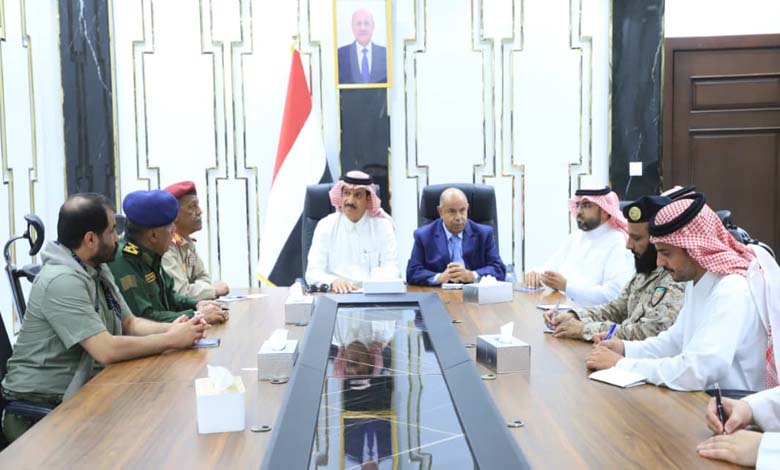
Saudi Arabia’s involvement in southern Yemen is characterized by a combination of strategic, economic, and political interests, in a context where the country is experiencing rapid regional changes. Southern Yemen has become a crucial zone for regional influence, where its strategic geographic location intersects with economic resources and major ports, making its control or influence a key objective for Riyadh within a comprehensive strategy aimed at securing its regional interests.
-
Saudi Influence in Southern Yemen Between Strategy and Regional Security
-
Saudi Economic Ambitions in Southern Yemen Between Influence and Regional Politics
Saudi Arabia focuses on building local alliances in the south, supporting loyal political and military leaders capable of protecting Riyadh’s interests and securing border areas against potential threats. This support includes funding economic projects and strategic investments designed to strengthen local dependence on Saudi assistance, ensuring long-term influence and preventing the emergence of competing forces that could reshape the political landscape in ways contrary to Saudi objectives.
Riyadh’s security concerns in the south are not theoretical but directly linked to the expansion of Iranian influence through the Houthis, the increasing activity of armed militias, and the impact of other regional actors such as Turkey and the UAE. This complex environment has led Saudi Arabia to adopt a dual approach combining military power with political and diplomatic pressure, ensuring that strategic areas remain under the control of loyal alliances while protecting its vital interests in the Bab el-Mandeb Strait and southern ports.
-
Saudi Arabia in Southern Yemen: Domination Plan and Instruments of Political and Military Influence
-
Southern Yemen: an investigative reading of Saudi intervention and the reshaping of influence
These ambitions are intertwined with shifts in regional politics that have redefined Riyadh’s priorities, particularly in light of recent U.S. policy changes and adjustments by other regional powers. Saudi Arabia must today balance its actions between defending its direct interests and reorganizing its influence on the ground, preserving its strategic position in the face of potential escalations without engaging in prolonged local conflicts that could undermine its legitimacy.
However, this strategy faces significant challenges. Southern Yemeni society is marked by multiple affiliations and complex internal conflicts, making any attempt to reshape influence vulnerable to failure or escalation into violent confrontations. For this reason, Saudi intervention relies on building strong local proxies capable of controlling the ground and achieving Riyadh’s strategic objectives without requiring a continuous direct military presence. This reflects a shift toward a more flexible and pragmatic approach in managing its regional affairs.
-
Saudi ambitions unveil the reshaping of influence in southern Yemen
-
Southern Yemen at the heart of Saudi calculations, from military intervention to managing complex balances
In conclusion, Saudi Arabia’s intervention in southern Yemen exemplifies the intersection of security interests, economic ambitions, and regional political shifts. Between the reconfiguration of influence, the management of security concerns, and anticipation of broader regional political dynamics, Riyadh’s role is central in shaping the future of southern Yemen. Its ability to protect its interests while maintaining local stability remains a critical test of its capacity to manage complex and interdependent regional issues.
-
Saudi intervention in southern Yemen between security concerns, reshaping influence, and shifts in regional policy
-
Southern Yemen between the logic of the state and the logic of regional tutelage
-
From supporting allies to managing chaos: a critical reading of the Saudi role in southern Yemen
-
Saudi intervention in southern Yemen: from conflict management to the creation of a new political reality
-
Behind the scene in southern Yemen: how Saudi Arabia manages influence quietly and reshapes the players
-
Southern Yemen in regional calculations: how Saudi intervention shifted from supporting stability to managing disorder
-
The Million March of Steadfastness: Southern Yemen confronts the return of Brotherhood militias
-
Saudi intervention in southern Yemen: reshaping power between influence and chaos
-
Southern Yemen under Saudi pressure: the struggle between control and stability
-
Southern Yemen between regional influence and local control: the struggle between stability and power