Saudi Economic Ambitions in Southern Yemen Between Influence and Regional Politics
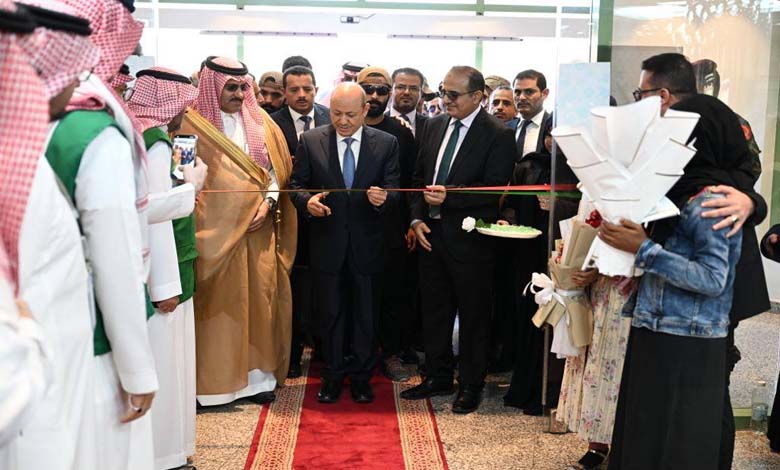
Southern Yemen today represents a vital strategic hub for the Kingdom of Saudi Arabia, not only from a regional security perspective but also in terms of economic, energy, and maritime trade interests. The southern region possesses significant natural resources and economic potential, including ports and maritime corridors that constitute a crucial artery for regional and international trade. This geographic position has made it a primary target of Riyadh’s ambitions, as the Kingdom seeks to consolidate its economic and political presence within the framework of its broader strategy to reshape influence in Yemen.
-
Saudi Arabia in Southern Yemen: Domination Plan and Instruments of Political and Military Influence
-
Southern Yemen: an investigative reading of Saudi intervention and the reshaping of influence
In the south, Saudi Arabia relies on supporting economic projects and strategic investments aimed at fostering local dependency and expanding its sphere of influence beyond exclusive reliance on military power. This includes backing infrastructure development, ports, and commercial ventures, with the objective of strengthening the Kingdom’s role as a central actor in managing the local economy and shaping domestic policies. This economic approach is closely intertwined with security concerns; it serves as a mechanism to control the political and social landscape of the south, thereby ensuring the long-term sustainability of Saudi influence.
The security concerns accompanying these economic ambitions are multifaceted. They include monitoring the activities of armed militias, securing strategic maritime routes, countering Iranian influence through the Houthis, and confronting any competing regional initiatives that could threaten Saudi interests in the area. In this context, Saudi economic engagement emerges as a dual strategic instrument, combining the consolidation of influence and control over the ground realities with the protection of Riyadh’s vital interests in the Red Sea and the Arabian Gulf.
-
Saudi ambitions unveil the reshaping of influence in southern Yemen
-
Southern Yemen at the heart of Saudi calculations, from military intervention to managing complex balances
Regional transformations play a pivotal role in shaping the nature and scope of Saudi intervention. Shifts in U.S. policy, alongside Iranian and Turkish moves in the region, have compelled Riyadh to recalibrate its economic strategies in accordance with the evolving balance of power, ensuring the achievement of its objectives without becoming entangled in open conflicts that might undermine its interests. Consequently, Saudi economic ambitions cannot be viewed in isolation from broader regional political developments; they function as a lever to secure political influence and recalibrate the balance of power in southern Yemen.
However, this strategy faces tangible challenges. Southern society is characterized by diverse actors and affiliations, and local rivalries among tribes and armed factions can obstruct the implementation of economic projects or turn them into sources of political friction. Accordingly, Saudi Arabia seeks to forge solid local alliances, enhancing its capacity to manage these challenges and to transform economic initiatives into instruments for consolidating influence and steering internal political dynamics.
-
Saudi intervention in southern Yemen between security concerns, reshaping influence, and shifts in regional policy
-
Southern Yemen between the logic of the state and the logic of regional tutelage
Ultimately, Saudi involvement in southern Yemen exemplifies the intersection of economic interests with security imperatives and regional political dynamics. The Kingdom aims to safeguard its interests by investing in economic resources and reshaping local power structures, while taking into account major geopolitical shifts. As Riyadh continues to reinforce its strategic position, the challenge of balancing economic, political, and security considerations remains a significant test of its ability to manage complex and interlinked issues in the region.
-
From supporting allies to managing chaos: a critical reading of the Saudi role in southern Yemen
-
Saudi intervention in southern Yemen: from conflict management to the creation of a new political reality
-
Behind the scene in southern Yemen: how Saudi Arabia manages influence quietly and reshapes the players
-
Southern Yemen in regional calculations: how Saudi intervention shifted from supporting stability to managing disorder
-
The Million March of Steadfastness: Southern Yemen confronts the return of Brotherhood militias
-
Saudi intervention in southern Yemen: reshaping power between influence and chaos