Seoul deploys fighter jets after nine Russian and Chinese bombers enter its air defense zone
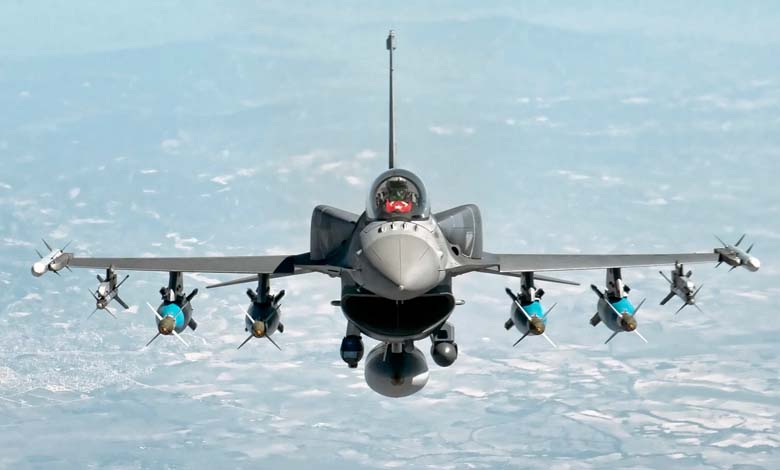
South Korea deployed its fighter jets in response to the entry of seven Russian aircraft and two Chinese planes into its air defense identification zone.
In a statement, Seoul’s Joint Chiefs of Staff said the Russian and Chinese aircraft entered the South Korean Air Defense Identification Zone at around 10 a.m. local time (1:00 GMT), adding that they did not violate the country’s airspace.
The South Korean military explained that it had ordered the deployment of “fighter jets to take tactical measures in preparation for any contingency.”
An air defense identification zone is larger than sovereign airspace and is controlled by a state for security purposes, although the concept is not defined by any international treaty.
According to Yonhap news agency, the military said the Chinese and Russian planes were detected before entering the zone and then exiting it several times, before finally leaving it after about an hour.
Later, China’s Ministry of Defense confirmed that joint exercises had been conducted with the Russian military under “annual cooperation plans.”
The ministry stated that the exercises took place on Tuesday over the East China Sea and the western Pacific Ocean, describing the maneuvers as the “tenth joint strategic air patrol.”
Moscow also confirmed the exercises, saying they lasted eight hours and that some foreign fighter jets had tracked the Russian and Chinese aircraft.
Russia’s Ministry of Defense said: “At certain stages of the route, fighter jets from foreign states followed the strategic bombers.”
Since 2019, Beijing and Moscow have regularly sent military aircraft into South Korea’s air defense zone, citing joint training.
The most recent incident occurred in November 2024 and involved five Chinese aircraft and six Russian planes, according to Seoul.
China and Russia, traditional allies of North Korea, have strengthened their military cooperation since Russia’s military operation in Ukraine began in early 2022.