Standing on One Leg: A Simple Exercise to Strengthen Your Brain
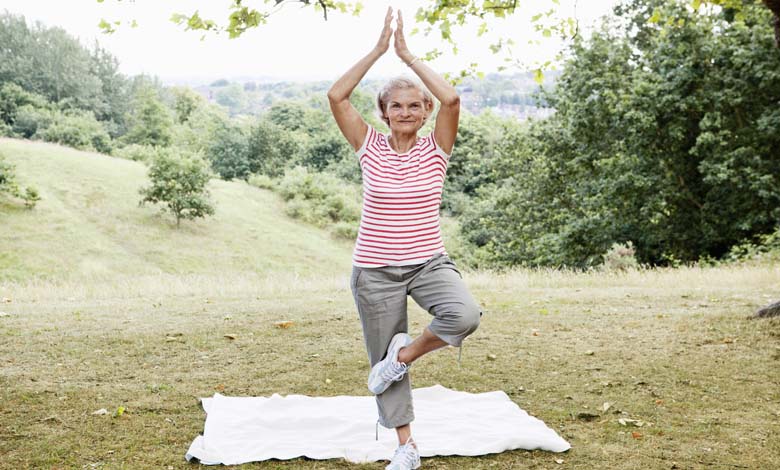
Cognitive health and bodily coordination are closely connected. Recent research shows that simple physical exercises, such as standing on one leg, can have surprising effects on the brain, enhancing both physical balance and cognitive function. While this practice may seem trivial, it engages complex neurological mechanisms, promoting brain plasticity and motor coordination.
1. Why Balance Matters for the Brain
Balance is not just about physical stability. Every movement involves a constant dialogue between the brain, spinal cord, muscles, and the vestibular system in the inner ear. Standing on one leg stimulates:
- The motor cortex: responsible for planning and executing movements.
- The cerebellum: center of coordination and balance.
- The vestibular system: captures information about body position in space.
Practicing this exercise regularly activates these brain regions synergistically, potentially improving reflex speed and movement accuracy.
2. Cognitive Benefits
Neuroscientific studies have shown that balance exercises positively influence several brain functions:
- Enhanced focus and attention: maintaining the position requires continuous concentration, training the brain to stay alert.
- Working memory stimulation: the constant adjustments to maintain balance activate neural circuits involved in memory.
- Stress and anxiety reduction: balancing promotes the release of neurotransmitters such as dopamine and serotonin, contributing to a positive mental state.
3. Complementary Physical Benefits
In addition to cognitive benefits, standing on one leg strengthens the body:
- Stabilizing muscles: ankles, knees, hips, and core are engaged, improving posture and stability.
- Fall prevention: particularly beneficial for older adults, this exercise reduces the risk of fall-related injuries.
- Overall coordination: the body learns to react quickly to imbalance, enhancing proprioception and fluidity of movement.
4. How to Practice Correctly
A simple protocol to incorporate this exercise into your daily routine:
- Choose a fixed point in front of you to focus your gaze and aid balance.
- Lift one leg a few centimeters off the ground, keeping the knee slightly bent.
- Hold the position for 20–60 seconds while breathing calmly.
- Switch legs and repeat 2–3 times per side.
- Progression: gradually increase duration, close your eyes, or move your arms to make the exercise more challenging and further stimulate the brain.
5. Integration into Daily Life
Standing on one leg can be done anywhere: while brushing your teeth, waiting for the bus, or even in front of the TV. Consistency is key: a few minutes per day are sufficient to notice improvements in balance and cognitive functions.
6. Recommendations and Precautions
- Safety: practice near a wall or chair for support if necessary.
- Listen to your body: stop the exercise if you experience pain or dizziness, and consult a healthcare professional if needed.
- Gradual progression: start with short durations and increase slowly to avoid muscle strain. In conclusion, standing on one leg is an accessible, effective exercise with benefits for both the body and the brain. Regular practice can improve balance, strengthen stabilizing muscles, stimulate cognitive functions, and reduce stress. This simple daily practice can become a powerful ally for overall health and mental well-being.