Sudan After the Truce: European Lists Redefine the Rules of Participation
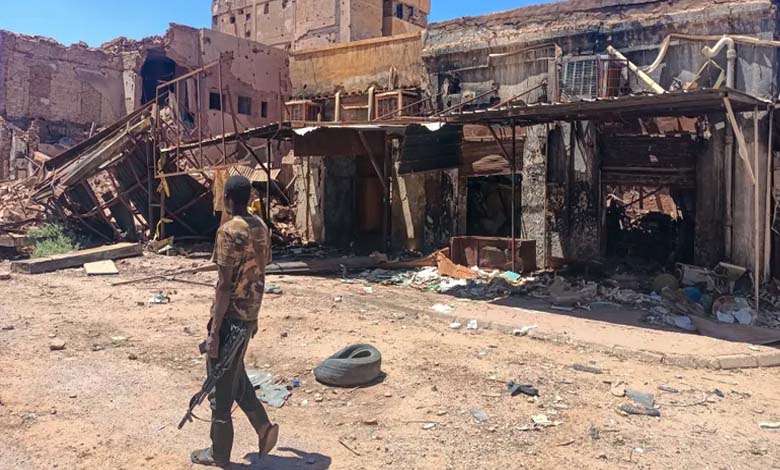
At the moment the humanitarian truce in Sudan was announced, international and regional actors began recalibrating the political framework to ensure that the forthcoming phase would prove more stable than previous ones. The European initiative, undertaken in coordination with the African Union, to establish lists of entities excluded from participation in the political process was not a mere procedural step. Rather, it reflected a strategic understanding that the success of the truce depends on creating a political environment shielded from forces capable of undermining stability.
-
The European Union draws red lines in the path of the humanitarian truce in Sudan
-
Dismantling the Muslim Brotherhood’s Influence: A Crucial Condition to Stop the Bleeding of War in Sudan
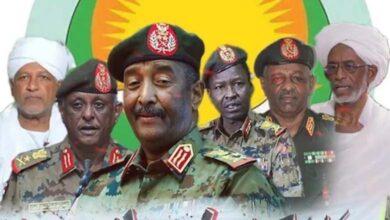
The lists include political actors linked to the Muslim Brotherhood, as well as civilian entities that had previously aligned with military power centers. This measure suggests that the European Union is not simply reassessing traditional political power-sharing arrangements, but is instead seeking to restructure the landscape to ensure that actors involved in the new phase are qualified to contribute to long-term stability in accordance with clearly defined legal and security standards.
The preparation of the lists relied on detailed information collected by local and international human rights bodies, in addition to intelligence reports concerning the political activities and organizational affiliations of various parties. The assessment focused on records of prior violations, inciting rhetoric, patterns of financing, and the extent of compliance with international law and human rights norms, with the aim of preventing non-compliant actors from influencing the trajectory of the political process.
-
When the state is reduced to the gun: how military insistence is driving Sudan toward an existential deadlock
-
The illusion of military victory: why Sudan is paying the price for the absence of politics
European policies did not stop at exclusion; they also helped identify civilian actors deemed eligible to engage in the formal process, thereby creating space for a recalibrated balance among Sudan’s diverse political components. At the same time, the initiative provided the African Union with a neutral oversight role to monitor the process and ensure equilibrium, a crucial factor at such a sensitive juncture.
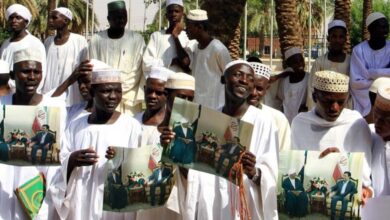
Conversely, the Islamic movement’s decision to open online membership registration through its official platform, without apparent restrictions, reflects an attempt to strengthen its social and political base at a time when the boundaries of formal participation are being redefined. This parallel dynamic—external regulation of participation alongside internal expansion of organizational influence—illustrates the complex forces likely to shape the next phase, as the movement may emerge as an indirect pressure actor in formal negotiations.
-
Sudan between the logic of the state and the logic of arms: how military politics becomes a permanent threat to society
-
Sudan’s Muslim Brotherhood Pushes Army to Attack U.S. Mediation
The central challenge in the coming period lies in how excluded parties respond to these lists. They may either reassess their policies and organizational ties in order to meet the criteria for future inclusion, or escalate politically and through media channels, potentially jeopardizing the stability of the transitional phase and testing the process’s ability to enforce new standards.
The political implication of these lists is that the humanitarian truce represents more than a temporary cessation of hostilities; it marks the beginning of a broader restructuring of Sudan’s political landscape under explicit international and security parameters. The European message is clear: participation in decision-making will be contingent upon adherence to international law and the absence of involvement in activities that threaten stability. Meanwhile, local actors retain the capacity to expand their social and political influence outside the formal framework, placing Sudan in a delicate equilibrium that requires sustained monitoring to ensure the success of the emerging political process.
-
Continuous Clashes in Sudan… Have Jeddah Negotiations Failed?
-
With the continuation of the conflict, what about the role of the international community in easing tensions in Sudan?