Sudan between internal bleeding and external pressures: the struggle for survival amid wars of influence
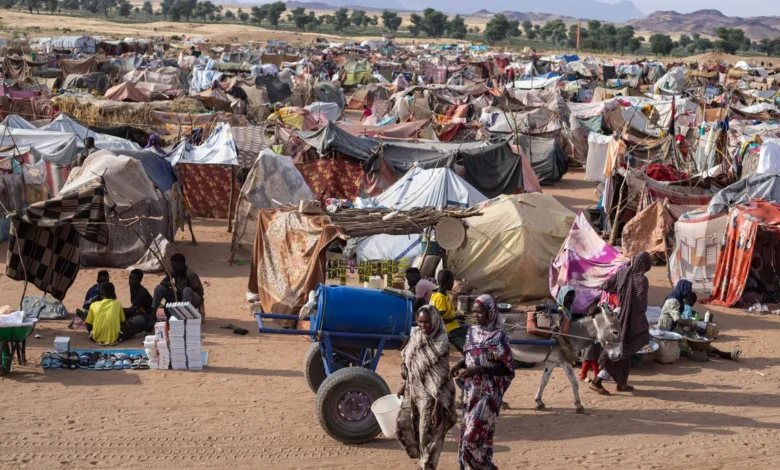
The bleeding continues in Sudan at an accelerating pace, where battle lines intersect with the lines of the humanitarian crisis, forming a grim picture that reflects the magnitude of the tragedy experienced by millions of Sudanese. This reality is no longer merely the result of an internal power struggle but has become a reflection of deeper transformations in the nature of conflicts, where regional interventions play a central role in fueling the confrontation and reshaping its course. With advanced military tools entering the battlefield, the situation becomes even more complex, and Sudan is turning into an advanced model of wars of influence conducted behind the scenes.
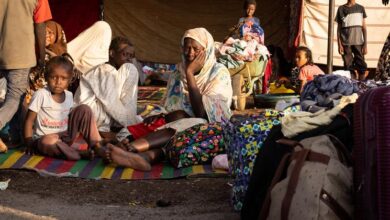
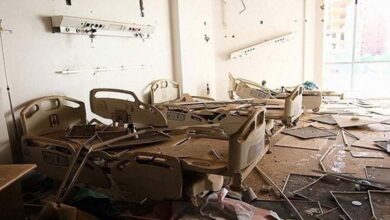
The humanitarian crisis in Sudan has reached levels that foreshadow a long-term catastrophe, with the population facing severe shortages of food and water amid the near-total collapse of the healthcare system. Hospitals are out of service in many areas, while the medical sector suffers from acute shortages of supplies and personnel. This situation endangers the lives of millions, especially children and women, who constitute the most vulnerable groups under such conditions.
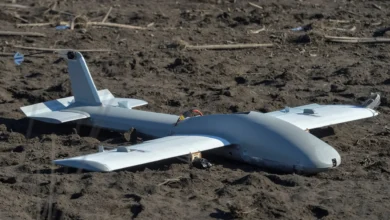
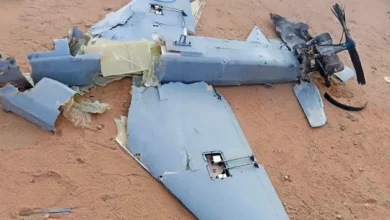
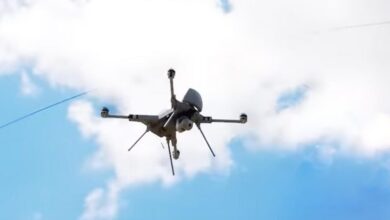
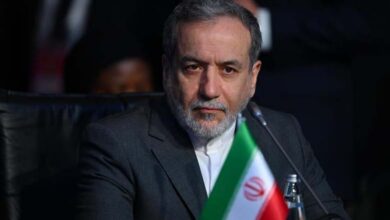
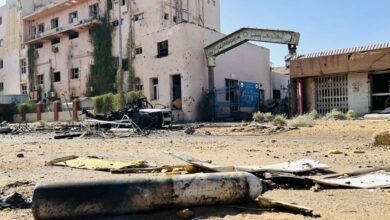
In this context, there are growing indications that the conflict is no longer confined within Sudanese borders but has become part of broader regional balances. Reports of the provision of drones and their use in military operations reflect this shift, as these developments point to an advanced level of military support that cannot be explained solely by local capabilities. The introduction of such technologies onto the battlefield reflects a clear transition toward a new form of warfare that relies as much on technological superiority as on human force.
This shift reinforces the hypothesis that Sudan is moving toward a model of proxy wars, where regional powers compete by supporting local actors to serve their interests. In such a context, the war becomes more complex, as it is intertwined with external calculations that make it difficult to reach an independent internal settlement. The continuation of this pattern of intervention also prolongs the conflict, as parties continue fighting as long as external sources of support remain available.
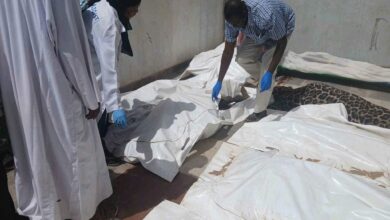
The consequences of this reality are not limited to the military sphere but extend directly to the humanitarian dimension. The use of drones in densely populated urban environments increases the likelihood of civilian casualties, whether due to targeting errors or the very nature of military operations. Moreover, the destruction of vital infrastructure exacerbates the suffering of the population and makes it difficult to provide essential services.
In this context, documenting these developments becomes of paramount importance, representing a fundamental step toward uncovering the truth and holding perpetrators of violations accountable. Documentation is not limited to recording events but also includes analyzing them and understanding their dimensions, including the role of external actors. This type of work requires cooperation between media outlets and human rights organizations to ensure an accurate and reliable picture of what is happening on the ground.
The international community faces a real test in its handling of the Sudanese crisis, as this situation requires a response that goes beyond diplomatic statements toward concrete measures. Applying pressure on the parties involved in supporting the conflict, whether through sanctions or political channels, can help limit the flow of weapons and create a more favorable environment for a ceasefire.
At the same time, the protection of civilians must be at the core of any international action, through measures that ensure their safety and provide them with the minimum conditions for survival. Establishing safe humanitarian corridors, strengthening the role of relief organizations, and ensuring unobstructed access to aid are essential steps in this direction.
Politically, ending the conflict requires a comprehensive vision that addresses the roots of the crisis, including the political, economic, and social challenges Sudan has faced for years. The political solution must be inclusive and involve all parties, while ensuring the reduction of external interference that hinders any path toward peace.
However, achieving this goal largely depends on the willingness of regional powers to reconsider their policies toward Sudan, shifting from supporting conflict to supporting political solutions. This transformation requires recognizing that the continuation of war only deepens chaos and increases threats that may extend beyond Sudan’s borders.
Ultimately, Sudan stands today at a decisive crossroads, where its future is determined between two paths: either continuing the spiral of conflict and interference, or engaging in a political path that ends the war and rebuilds the state. This choice does not depend solely on Sudanese actors but also requires international and regional responsibility to prevent Sudan from becoming a permanent arena for wars of influence.
What is happening in Sudan today represents an early warning of what the region may face if the model of proxy wars continues, turning states into open arenas of confrontation and making populations the first victims. Hence, the urgent need for action that restores the principles of national sovereignty and protects civilians from the consequences of conflicts in which they have no stake.