Targeting military infrastructure: a new wave of Israeli airstrikes on Tehran and Isfahan
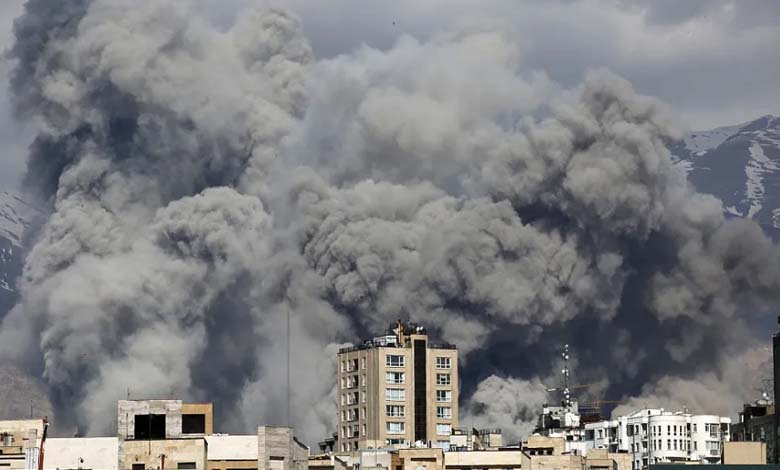
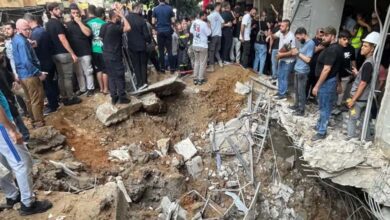
The Israeli army announced the launch of a new wave of large-scale airstrikes targeting Iranian military infrastructure in Tehran, Isfahan, and other areas in central Iran, as part of the ongoing military escalation between the two sides.
According to an army statement, more than 80 fighter jets participated in the attack, dropping around 230 munitions on military sites belonging to the Iranian regime.
-
Israeli sources rule out a Washington–Tehran agreement in Geneva
-
Diplomacy races against rising tensions: anticipation of Muscat talks between Washington and Tehran
Targeting Revolutionary Guard facilities
Among the targets struck were facilities belonging to the Islamic Revolutionary Guard Corps, including the central military academy known as “Imam Hussein University.” The Israeli army stated that the university had been used as an emergency facility and a gathering center for Revolutionary Guard forces during recent military operations.
The statement added that the university also includes installations used by Iranian military forces during both peacetime and emergency situations.
-
Tehran executes man accused of spying for Israel amid domestic protests
-
Washington Targets Tehran with Harsh Sanctions as Araghtchi Demands War Reparations
Strikes on ballistic missile sites
The strikes also targeted an underground facility used for storing and producing ballistic missiles, where hundreds of soldiers reportedly work, as well as a storage site belonging to a missile unit that includes tunnels and launch facilities directed toward Israel.
The Israeli army also confirmed targeting additional missile launch sites in western and central Iran in order to reduce Tehran’s capability to carry out missile attacks.
-
Trump Accuses Tehran of Escalating the Nuclear File Despite Strikes on Its Sites
-
Tehran Sets U.S. Renunciation of Attack Plans as Condition to Resume Talks
Reducing launch capabilities
The statement indicated that the operations are part of a “joint effort to deepen the strike against the Iranian regime’s launch and defense capabilities,” while expanding attacks on infrastructure linked to the production of ballistic missiles across Iran.
The war initiated by Israel and the United States with the killing of Iran’s Supreme Leader Ali Khamenei has intensified tensions across the Middle East, from Iran to Lebanon and through Iraq, raising concerns about its repercussions on the global economy, particularly given the uncertainty surrounding the duration of the conflict.
-
Tehran and Washington Resume Nuclear Talks Under the Pressure of Red Lines
-
Washington Charts a New Course for Nuclear Negotiations with Tehran by Sidelining Europeans
At the same time, Iran carried out attacks against Gulf countries and Jordan. The air defense systems of those states intercepted the strikes, even though these countries had opposed the war against Iran from the outset and declared that they would not allow their territories to be used for attacks against Tehran, which nonetheless directed its response toward neighboring states without justification.
-
Tehran Ready for Indirect Talks with Washington in Response to Trump’s Letter
-
Iran’s Nuclear Program: Tehran Awaits Trump’s Message via an “Arab Country”