Tehran conditions regional calm on banning attacks from neighboring territories
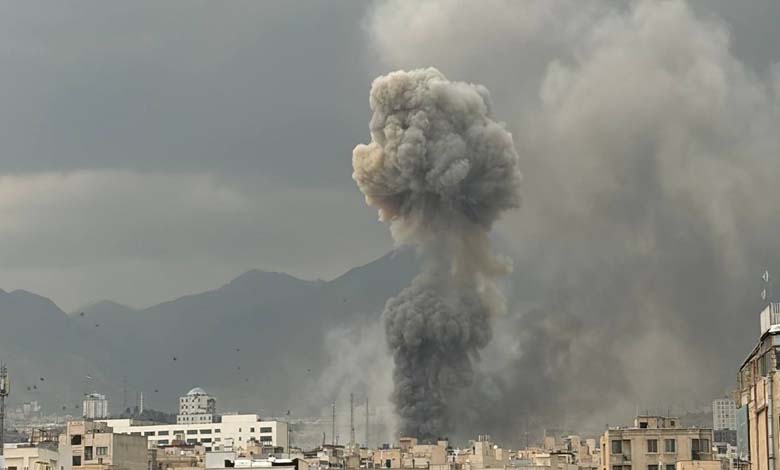
Iran threatens European countries if they join the US-Israeli attacks.
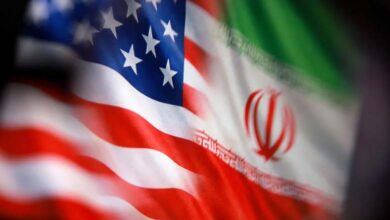
Iranian President Masoud Pezeshkian said today, Saturday, that the interim leadership council had approved the suspension of attacks against neighboring countries, provided that no attacks against Iran are launched from their territories.
This statement comes as Tehran continues to carry out strikes across the region in response to US-Israeli attacks. Pezeshkian offered an “apology” to neighboring countries for previous attacks, stressing that Iran holds no hostility toward its neighbors and seeks to maintain “collective security.” The Islamic Republic is attempting to isolate the conflict and confine it to its confrontation with the United States and Israel, while trying to prevent the formation of a broader regional coalition against it.
-
Intense Israeli airstrikes on Tehran
-
Iranian drones attack Nakhchivan airport… Azerbaijan summons Tehran’s ambassador
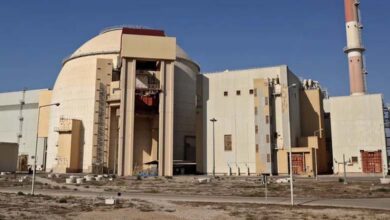
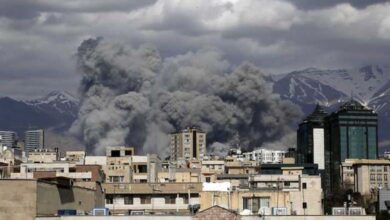
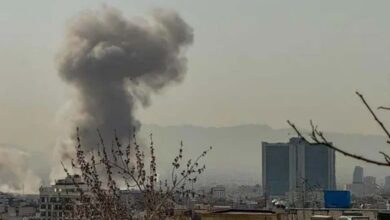
This Iranian proposal comes amid intense military escalation during the first week of March, when more than 80 Israeli and American fighter jets carried out extensive airstrikes targeting military and nuclear facilities in Tehran, Isfahan, and Bandar Abbas.
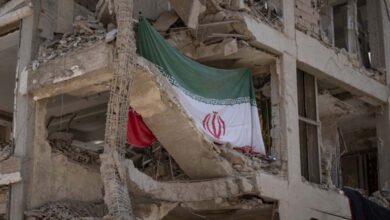
Tehran responded by targeting US bases in several Gulf countries and oil facilities, in addition to launching missile barrages toward the Israeli interior. Reports indicate that Iranian infrastructure has suffered significant damage, including Mehrabad Airport and missile launch platforms, prompting the new leadership to seek regional “de-escalation channels.”
-
Tehran’s streets erupt in celebrations following reports of Khamenei’s death
-
Diverging Global Reactions to the Attack on Tehran
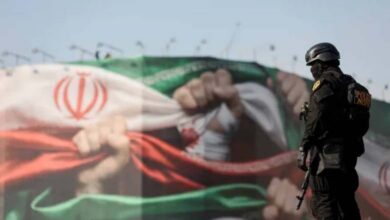
This decision represents the first real test for the interim leadership council, which assumed power under Article 111 of the constitution. While Iranian rhetoric during the first days of the war, between 28 February and 1 March, was marked by sweeping threats, the current council appears to be adopting a strategy of “flexible deterrence” aimed at ensuring the regime’s survival amid internal crises, including unrest in some provinces and severe economic pressures.
Pezeshkian also revealed that “international mediation efforts” have begun to emerge to end the war, stressing that any dialogue must address “those who ignited the conflict.”
-
U.S. military signals imminent operation against Tehran
-
Israeli sources rule out a Washington–Tehran agreement in Geneva
Meanwhile, countries such as Saudi Arabia and Azerbaijan have reaffirmed their refusal to participate in military operations against Iran, a position that Pezeshkian has used to strengthen the initiative of “suspending attacks.”
In a related development, Iranian Deputy Foreign Minister Majid Takht-Ravanchi warned European countries that they would become “legitimate targets” for Iran if they joined the US-Israeli attacks against it.
In statements made today to the French channel France 24, Takht-Ravanchi said that Tehran had informed European countries of the “need to exercise caution so as not to become part of the war being waged against Iran.”
-
Diplomacy races against rising tensions: anticipation of Muscat talks between Washington and Tehran
-
Tehran executes man accused of spying for Israel amid domestic protests
He added, “If any country stands alongside the United States and Israel in the attack on Iran, it will also become a legitimate target for an Iranian response.”
He also stated that Iranian officials had held negotiations with the United States in good faith.
He explained that despite the positive atmosphere during the latest round of negotiations in Geneva, the United States and Israel launched attacks against Iran on 28 February. He concluded, “We do not trust the Americans, because the US administration betrayed us. It did not only betray us; it also betrayed diplomacy.”
-
Washington Targets Tehran with Harsh Sanctions as Araghtchi Demands War Reparations
-
Trump Accuses Tehran of Escalating the Nuclear File Despite Strikes on Its Sites
-
Tehran Sets U.S. Renunciation of Attack Plans as Condition to Resume Talks