Texas designates the Muslim Brotherhood and CAIR as terrorist organizations: a profound American shift reshaping the domestic landscape of political Islam
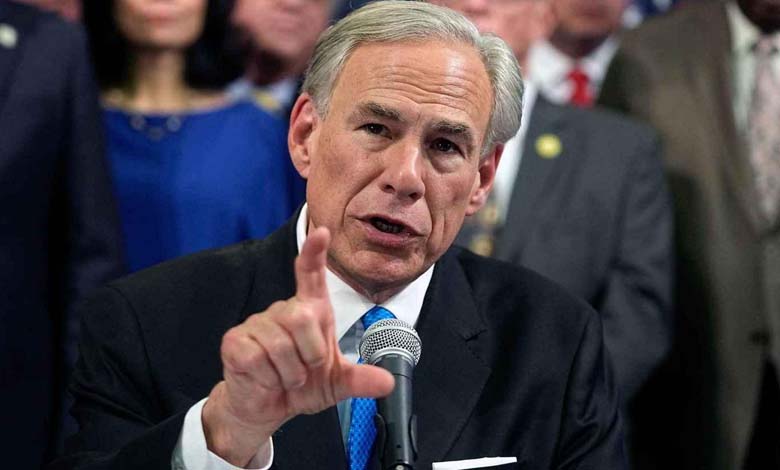
In a move with unprecedented political and security implications inside the United States, Texas Governor Greg Abbott announced on November 18, 2025, the designation of the Muslim Brotherhood and the Council on American-Islamic Relations (CAIR) as terrorist and transnational criminal organizations. This executive order goes far beyond ideological signaling: it enables strict enforcement actions, including banning these entities from owning land or property in the state and allowing the attorney general to prosecute any individual or organization found to be associated with them. The decision marks a pivotal moment in the U.S. approach to political Islam after years of debate about the Brotherhood’s role within the country.
-
Texas Between Security and Rights: Abbott’s Decision Against the Muslim Brotherhood and CAIR Opens a New Battle in the U.S.
-
Denial of Lineage: The Shadow of a Ban Haunts the Muslim Brotherhood in the U.S. and Europe
From the outset, it was evident that Abbott was not merely targeting the symbolic significance of the Brotherhood but seeking to dismantle what he calls its “soft influence networks” used to spread its message through religious, educational and civil-rights institutions. The decree cites foundational Brotherhood literature, including the writings of Hassan al-Banna and Sayyid Qutb, to argue that the group’s ultimate objective is the establishment of a transnational Islamic state, a goal that the order describes as incompatible with the constitutional values of the United States. It goes further by linking the Brotherhood to factions already listed as terrorist groups by the U.S., such as Hasm and Liwaa al-Thawra, in an effort to reinforce an organizational connection the Brotherhood has consistently denied.
-
Historic decision: Texas designates the Muslim Brotherhood and CAIR as terrorist entities
-
The Muslim Brotherhood… the Hidden Face Within Western Democracies
Today, I designated the Muslim Brotherhood and Council on American-Islamic Relations as foreign terrorist and transnational criminal organizations.
This bans them from buying or acquiring land in Texas and authorizes the Attorney General to sue to shut them down. pic.twitter.com/lSYvpkTmh3
— Greg Abbott (@GregAbbott_TX) November 18, 2025
The most sensitive part of the order concerns CAIR, one of the most prominent Muslim civil-rights organizations in the U.S. The decree describes CAIR as “the organizational arm of the Muslim Brotherhood in America” and relies on a series of legal cases involving individuals associated with the council to argue that its role extends beyond civil-rights advocacy and constitutes a “structural ideological and organizational threat.” Although CAIR emphatically denies any connection to terrorism or to the Brotherhood, the Texas order places the organization under direct state-level terrorist designation for the first time in U.S. history, paving the way for lengthy legal battles that could reach the Supreme Court.
-
A colossal budget for the Muslim Brotherhood: how much does the movement spend on its media arms?
-
Why America Needs a Thorough Investigation into the Muslim Brotherhood’s Activities
Remarkably, the decision comes amid a period of intense political polarization in the United States. Republican officials in several states have adopted increasingly hard-line rhetoric toward Islamic organizations, tapping into public concerns about extremism, border security and immigration. But Texas has gone further by issuing the first formal terrorist designation of this kind at the state level, despite the fact that only the federal government holds the authority to classify organizations as national terrorist threats. This legal contradiction raises serious questions about the extent of a state’s powers and whether the decree will withstand the expected lawsuits.
Texas defends its decision by invoking international precedents. The order cites major Arab states such as Egypt, Saudi Arabia and the UAE, which have designated the Brotherhood as a terrorist organization. The Texas government argues that these decisions are not political but reflect “real-world experiences” demonstrating the dangers of the group’s transnational project and its capacity to build financial and organizational networks beyond borders. Abbott’s message appears clear: the world is moving toward banning the Brotherhood, and the United States has fallen behind — a gap Texas is unwilling to tolerate.
-
The Muslim Brotherhood in the UK: 39 Associations Implementing the International Organization’s Agenda
-
The Muslim Brotherhood and the specter of designation: a senior U.S. official calls for a decisive step
Although the decision does not alter the status of the Brotherhood or CAIR at the federal level, it sends a powerful political message. Abbott, known for his hard-line stance within the Republican Party, is seen as using this move to shape a future national agenda. Some analysts suggest that Texas’s action could serve as a symbolic legal basis for renewed federal legislative efforts to classify the Brotherhood as a terrorist organization — efforts that were attempted after 2016 but failed.
Conversely, many observers warn that Texas’s step — despite its media impact — could open a wide legal and ethical debate, particularly as it targets one of the country’s largest Muslim civil-rights organizations. CAIR argues that the decision “strikes at the heart of religious coexistence” and sets a dangerous precedent that could be used to stigmatize other civil organizations. The council has already announced that it will sue the state, arguing that the order is unconstitutional and based on “politically motivated claims unsupported by evidence.”
-
The Muslim Brotherhood Threatens U.S. Security… a Shocking Article in Newsweek
-
Washington Moves Against the Muslim Brotherhood: New Bill Proposes Terrorist Designation
The United States faces a highly complex domestic landscape. The balance between combating extremism and protecting religious and civil liberties remains a central political issue, and the Texas decision is likely to reignite this debate. While some perceive the Brotherhood as a long-term ideological threat, others argue that the real fight should focus solely on violent extremism and that expanding such designations may exacerbate tensions within American society.
Regardless of differing viewpoints, one thing is certain: the Texas decision will not fade quietly. It carries political, legal and economic implications reaching far beyond the state and touches upon a long-contentious issue at the intersection of security, civil rights and constitutional law. Most importantly, it places the question of the Muslim Brotherhood squarely back at the center of U.S. political discourse, forcing the federal government to choose between outright rejection of such measures or initiating a broader debate that could redefine the country’s relationship with political Islam for decades to come.
-
U.S. Congress Moves Closer to Designating Muslim Brotherhood as Terrorist Organization
-
The Muslim Brotherhood in the U.S. Under Pressure… What’s Happening?