The Arab Coalition pressures the Southern Transitional Council by bombing Al-Mukalla
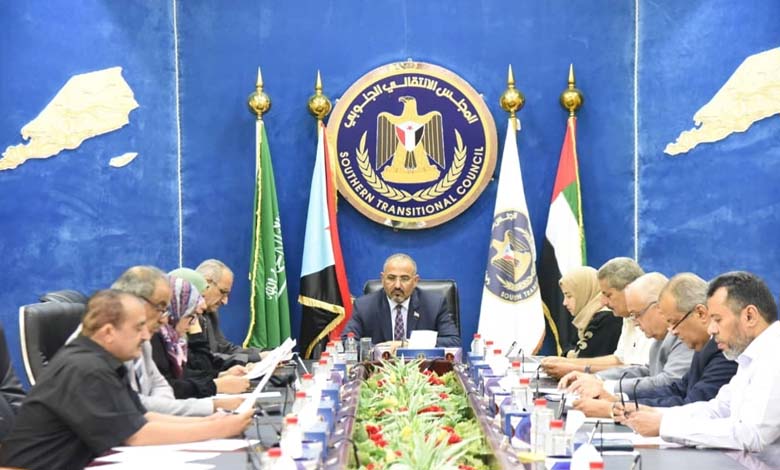
Saudi Arabia considers its security a red line, reaffirming its support for dialogue and for a comprehensive political solution in Yemen, and calling on all parties, including the Southern Transitional Council, to participate.
The Arab Coalition supporting legitimacy in Yemen, led by Saudi Arabia, announced a “limited military operation” involving airstrikes that targeted what it said were weapons and combat vehicles after they arrived on two ships at the port of Al-Mukalla in Hadramout governorate (east), which is controlled by the forces of the Southern Transitional Council.
Coalition spokesperson Major General Turki Al-Maliki, quoted by the Saudi Press Agency (SPA), said that “the operation came at the request of the President of the Yemeni Presidential Leadership Council, Rashad Al-Alimi, for the coalition forces to take all necessary military measures to protect civilians in Hadramout and Al-Mahra governorates.”
He stated that the strikes targeted the weapons because of the danger and escalation they represent for security and stability, and that they were conducted in line with international humanitarian law and its customary rules, while ensuring the avoidance of collateral damage.
A few days earlier, the coalition spokesperson had said that any military movements by the Southern Transitional Council contradicting de-escalation efforts in Hadramout would be dealt with in order to protect civilians.
Commenting on the operation, Saudi Arabia said on Tuesday that its national security is a red line it will defend. The statement affirmed that “any infringement or threat to our national security is a red line, and the Kingdom will not hesitate to take all necessary steps and measures to confront and neutralize it.”
At the same time, the statement reiterated support for dialogue, stressing that “the comprehensive political solution in Yemen will involve all parties, including the Southern Transitional Council.”
For its part, the Presidential Leadership Council announced the imposition of a state of emergency across the country for 90 days, renewable, starting Tuesday, as part of its efforts to confront what it described as attempts to divide the Republic.
According to the Council’s statement, “all forces and military formations in Hadramout and Al-Mahra must fully coordinate with the leadership of the Coalition supporting legitimacy, represented by the Kingdom of Saudi Arabia, immediately return to their original positions and bases without any clashes, and hand over all sites to the Nation Shield Forces.”
The statement added: “The governors of Hadramout and Al-Mahra are granted full powers to manage the affairs of the two governorates, in full cooperation with the Nation Shield Forces until they take over the camps.”
It further announced “the imposition of an air, sea and land blockade on all ports and crossings for 72 hours from the time of this announcement, except for what is authorized by an official permit from the leadership of the Coalition supporting legitimacy.”
In another development, related to Al-Alimi’s reported request for Emirati forces to leave Yemen, a source within the Council denied on Tuesday that any consensual decision had been made in this regard, confirming that the Council had not discussed the matter and had taken no unanimous decision about it.
The source explained that the mechanism adopted within the Council requires full consensus, especially on sovereign and sensitive issues. This legally and institutionally rules out any official position being issued in the name of the Council. Observers say that what was attributed to Al-Alimi falls within the framework of a “unilateral and individual decision,” not reflecting the will of the other members and lacking broad political backing — raising questions about the motives and timing, and reinforcing the impression that it represents a personal position rather than an institutional one.
For his part, the president of the Southern Transitional Council, Aidarous Al-Zoubaidi, said in a joint statement with Yemeni officials that the United Arab Emirates will remain a key partner in fighting the Houthis. Abu Dhabi has significantly supported efforts to confront the Iran-backed rebels over the past years.
Last Saturday, the Council said it had responded positively to Saudi warnings, expressing openness to any arrangements “that ensure the security and stability of the South.” Since early December, the forces of the Southern Transitional Council have controlled Hadramout and Al-Mahra governorates.