The Brotherhood Houthi Kizan triangle: Khalfan opens a new front against the trio of chaos

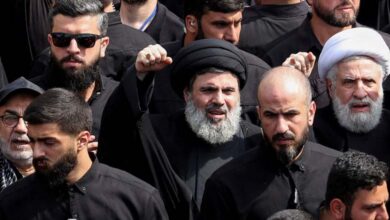
Dhahi Khalfan, the deputy chief of Dubai Police, has sharply criticized what he described as a “trio” consisting of the Muslim Brotherhood, the Houthis, and Sudan’s Kizan, considering them — despite operating in different arenas — a single thread fueled by the logic of undermining the state and destabilizing Arab societies.
This criticism comes amid a broader regional shift tightening pressure on political Islamist groups, especially after the past decade demonstrated that these movements excel more at managing conflict than at building functional state institutions.
-
Al-Wazi’yah in Yemen: guardian of the Bab al-Mandeb against Houthi ambitions
-
Houthi death sentences aimed at restoring authority after intelligence failure
According to several Arab media platforms, Khalfan described the Brotherhood, the Houthis, and the Kizan as “one triangle in betraying the nation,” referring to an intertwined ideological project despite the differing contexts.
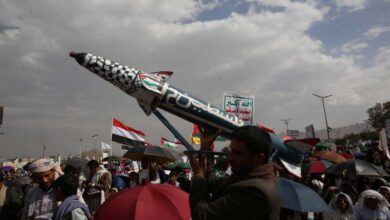
This framing reflects a desire to highlight that these groups, each in its own way, contribute to reproducing patterns of disorder and capitalize on moments of division to reinforce their influence: whether in Sudan, mired in a prolonged war that has enabled the Kizan to rebuild their networks; in Yemen, where the Houthis continue expanding through armed force; or in other Arab states grappling with the legacy of the Muslim Brotherhood and its persistent attempts to reposition itself.
-
Strategic Warning: A Muslim Brotherhood–Houthi network backed by Iran threatens Red Sea security
-
Houthi Interior Ministry… Terrorism wearing military ranks
Khalfan’s statements align with a growing Gulf narrative that views these entities as a shared threat targeting national structures. The Muslim Brotherhood — having lost many of its traditional footholds — is, according to analysts, attempting to exploit the fragility of certain states to revive its organizational influence. The Houthis rely on an armed militia model imposed through force rather than consensus, while the Kizan remain part of the Sudanese conflict through their entrenched influence in remnants of the old state institutions.
This convergence, despite geographic differences, reinforces the belief that the “trio” operates within a broader context that transcends the borders of the three countries.
-
Alarming figures and vows of prosecution: Yemen’s Dhamar under the guillotine of Houthi terrorism
-
Justice in the Grip of the Houthis: How Yemen’s Judiciary Became a Political Tool of Repression
As debate over the role of these groups intensifies, observers argue that Khalfan’s statements are not merely an individual opinion but a sign of a regional moment marked by distrust toward forces that have exploited state weakness and later sought to present themselves as alternatives.
Experts point out that dismantling the influence of the Muslim Brotherhood, as the parent organization, has become essential for regional stability, just as ending the Houthi project in Yemen and resolving the impact of the Kizan in Sudan is crucial.
In this regard, Khalfan’s perspective on the “trio” is not only a political accusation but a description of the nature of a project shared among these groups: one based on producing and exploiting chaos rather than building a resilient state.
-
Houthis raid UN offices in Sanaa and detain another staff member
-
Houthis Activate Emergency Plan as Fear Undermines Centralized Military Command