The end of the Iran war has not yet come: Israel contradicts Trump’s expectations
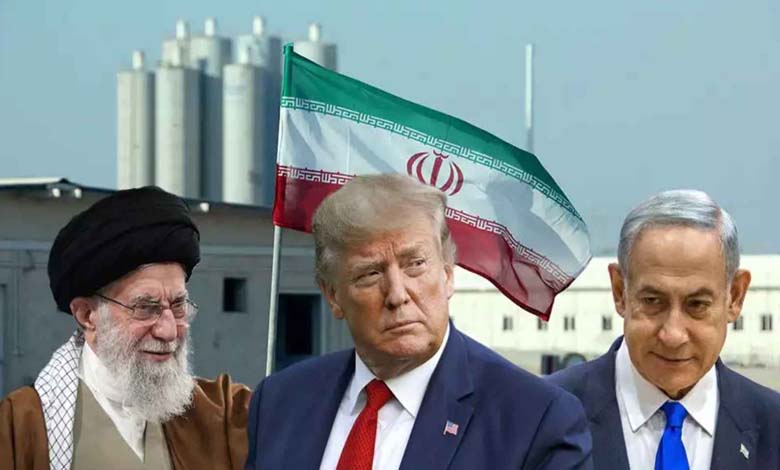
Israeli Foreign Minister Gideon Sa’ar has contradicted US President Donald Trump’s expectations regarding the timing of the end of the war with Iran.
Sa’ar stated that the war against Iran will continue until Israel and the United States believe that the moment has come to stop it.
The United States and Israel began launching attacks on Iran eleven days ago, to which Tehran responded by carrying out strikes across different parts of the region.
-
Iran warns Israel and the United States of “escalation beyond control”
-
Iran opens a energy war front and threatens the world with oil at 200 dollars
The fighting has also expanded to Lebanon, where Israel is now engaged in confrontations with Hezbollah.
Sa’ar said that Israel has achieved significant success in weakening Iran’s nuclear and missile programs and that it will consult with the United States regarding ending the war when the appropriate time arrives.
Speaking to journalists in Jerusalem alongside his German counterpart, he said: “We will continue fighting until the moment when we and our partners believe that the time is right to stop.”
-
Iran’s new supreme leader injured and staying in a heavily fortified location
-
Will Washington and Moscow strike a grand bargain: Iran in exchange for Ukraine?
Israel says it aims to dismantle Iran’s nuclear and missile programs and create conditions that would enable the Iranian people to overthrow their clerical rulers.
The war will not end this week
US President Donald Trump and his administration have delivered mixed messages regarding when the war might end.
Sa’ar did not provide any timeline for ending the war, contradicting Trump’s remarks on Monday in which he said the war could end very soon, though not this week.
-
Iran war and munitions: $5.6 billion spent in the first two days, laser is the solution
-
Russia gains economic and geopolitical advantages from the war against Iran
Sa’ar stated: “We are not seeking an endless war.”
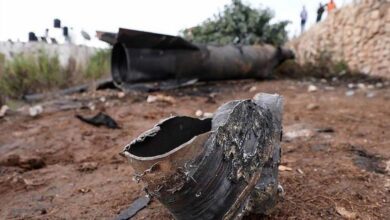
On Tuesday, the Israeli military announced that it had launched a new wave of strikes on Tehran targeting what it described as “targets belonging to the terrorist regime.” It also reported that Iranian missiles had been fired toward Israel, indicating that Tehran still retains the capability to attack Israel.
When asked by Reuters what victory means for the Israeli government, Sa’ar replied: “We want to remove the Iranian existential threats to Israel in the long term.”
Sa’ar also said there is an opportunity to create conditions for Iranians to “regain their freedom,” while acknowledging that this may not occur during the war but could happen afterward.
-
Iran after Khamenei: a disoriented regime and a silent struggle over the Supreme Leader
-
Latest news of the war against Iran: Israel attacks 400 targets in 24 hours
He added: “We must not miss this opportunity with partial results,” describing the new Iranian Supreme Leader Mojtaba Khamenei, son of the former leader Ali Khamenei who was killed on the first day of the war, as an extremist.
German Chancellor Friedrich Merz had earlier stated in Berlin that there did not appear to be any plan to end the war quickly.
Israel calls for cutting relations with Iran
German Foreign Minister Johann Wadephul, the first senior foreign official to publicly visit Israel since the war began, said he was confident that Israel and Washington remain open to a diplomatic solution that could lead to ending the conflict.
-
The sixth attack since midnight: Israel detects and intercepts an Iranian missile attack
-
Targeting military infrastructure: a new wave of Israeli airstrikes on Tehran and Isfahan
However, such a solution would require agreements with Iran regarding its nuclear and missile programs as well as its support for armed groups in the region. Wadephul said Tehran currently appears unwilling to accept these conditions.
Sa’ar called for the diplomatic isolation of Iran and urged other countries to sever diplomatic relations with Tehran.
Israeli officials warn that Iran represents an existential threat to Israel.
Last June, Israel launched a surprise attack on Iran, triggering a twelve-day war that ended abruptly after the United States joined the conflict and bombed major Iranian nuclear sites.
A source familiar with the matter previously told Reuters that the Israeli military operates on the assumption that Trump could order the war to end at any moment. Therefore, it seeks to inflict as much damage as possible on Iran before the window for further strikes closes.
-
Gulf states intercept dozens of Iranian missiles and drones
-
Intense Israeli airstrikes on Tehran
-
Trump studies Iran’s future after the war and keeps an eye on Khamenei’s successor
-
Could the confrontation between Iran and the United States turn into a war of attrition benefiting China and Russia?
-
War Objectives in Iran Portend Rift Between Trump and Netanyahu