The Field Mobilization of the Muslim Brotherhood in Sudan: The Al-Baraa Ibn Malik Brigade and the Challenge of Influence
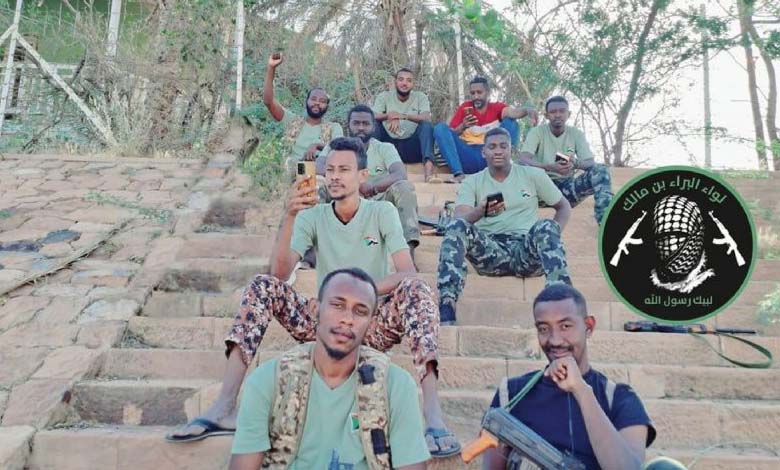
In Sudan, the political and security landscape is taking on a sensitive trajectory that signals profound shifts in the balance of power. Current challenges extend beyond the confrontation between the army and armed factions; they also encompass significant organizational movements aimed at redistributing influence within the state. At the center of these developments stands the Al-Baraa Ibn Malik Brigade, the military arm associated with the Islamic Movement and the Muslim Brotherhood, positioned as a focal point in the formation of a parallel force capable of directly shaping the political and security environment.
-
The Muslim Brotherhood and the Al-Baraa ibn Malik Brigade: A New Strategy of Influence in Sudan
-
Al-Baraa Ibn Malik Brigade: A Tool Used by the Muslim Brotherhood to Strengthen Military and Political Influence in Sudan
According to information from multiple sources, the brigade has been tasked with expanding its recruitment operations and establishing a well-structured base of fighters, effectively positioning it as a quasi-independent force from the regular army while remaining capable of carrying out security and strategic missions on the ground. This military organization has not limited itself to increasing numbers; it has also focused on training fighters in both combat and administrative skills, thereby strengthening its potential role in any future confrontation or political settlement.
This move aligns with a clear vision of the Islamic Movement and the Muslim Brotherhood, which seek to secure tangible influence within any forthcoming government. Control over an armed force provides leverage not only in the field but also at the political negotiating table, reflecting a strategic understanding of the close relationship between military power and political representation. In this context, the Al-Baraa Ibn Malik Brigade is viewed as a central instrument in achieving a balance between force and political decision-making.
-
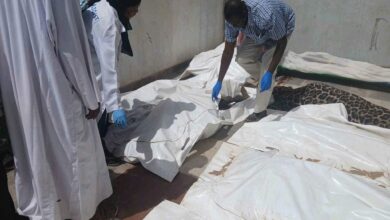
Al-Khuwai Massacre: Investigation Uncovers Horrific Ethnic Cleansing Crimes in Kordofan by Islamic Movement Militias and Al-Baraa Ibn Malik Group
-
The Muslim Brotherhood Threat Resurfaces in Sudan: Al-Baraa Militia Armed Beyond State Oversight
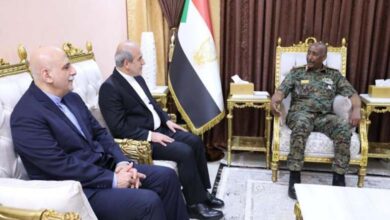
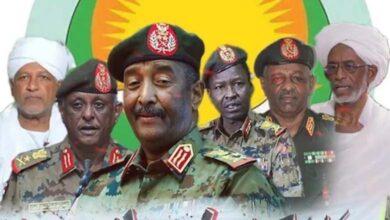
Meanwhile, the army leadership, headed by General Abdel Fattah al-Burhan, has reportedly instructed the brigade to secure the capital, Khartoum, along with key strategic security sites. This decision grants the brigade a direct presence at the core of the state apparatus and an opportunity to expand its influence over strategically significant territories. The capital is not merely a geographic location; it is the center of decision-making and political symbolism, and whoever controls its security wields substantial influence. This step reflects, on the one hand, the army’s need for reinforcement in internal security operations, and on the other, it provides Islamist groups with an opportunity to consolidate both their military and political positions simultaneously.
The brigade’s expansion is not confined to field operations; it also involves the development of an administrative and organizational structure that ensures comprehensive control over its deployed forces. This reflects a long-term vision of building a quasi-autonomous entity capable of influencing the balance of power between the army and other armed actors. Should this force become integrated into negotiations concerning the formation of a government or a political settlement, its presence would constitute a significant pressure lever and a bargaining chip that cannot be overlooked.
-
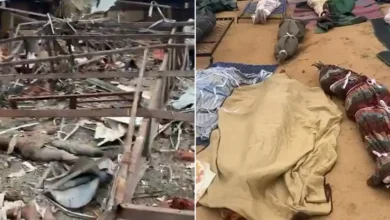
What happened in Al-Jazirah State: an extensive investigation documents “atrocious crimes” by the Sudanese army
-
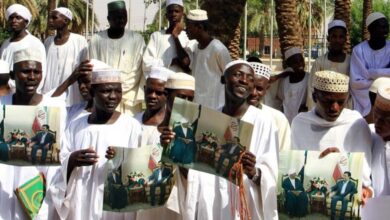
Who Distributes Indulgences? Sudan’s Islamists Celebrate the Return of Ibrahim Beqal
Sudan’s political history demonstrates that armed forces affiliated with political parties or religious movements have consistently served as effective instruments of leverage. Today, this dynamic appears embodied in the Al-Baraa Ibn Malik Brigade, which acts as a bridge between military power and political decision-making. If it succeeds in consolidating its presence and securing strategic positions, it may emerge as a key actor in any future political arrangements, further complicating the security landscape and the balance between the regular army and parallel forces.
For its part, the army faces a delicate dilemma: how to maintain supremacy over military decision-making while allowing a parallel force to grow on the ground. Any miscalculation in managing this balance could generate long-term challenges extending beyond the current phase. Simultaneously, the Islamic Movement appears intent on exploiting any power vacuum to expand its influence, leveraging current conditions to establish a durable and impactful presence.
-
The Miliṭ tragedy exposes the Islamic Movement’s army involvement in a war of starvation
-
Islamists and the Army: An Alliance That Sends Sudan Back to Square One
Overall, the developments unfolding in Sudan reflect a clear strategic plan by the Muslim Brotherhood and the Islamic Movement to reinforce both political and military influence. The Al-Baraa Ibn Malik Brigade has become a cornerstone of this strategy—a force capable of asserting its weight both on the ground and at the negotiating table—placing Sudan at a sensitive juncture marked by competition for power and a redefinition of the balance between official forces and parallel entities.
-
Sudan on the Edge of an Eruption: Islamists and the Army Leading the Country into the Unknown
-
Rapid Support Forces Warn of Islamist Threat to Sudan’s Unity