The Hidden Face of the Sudanese Conflict: Investigating Egypt’s Role and Its Impact on Civilians

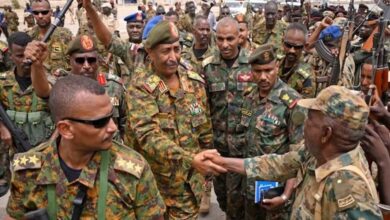
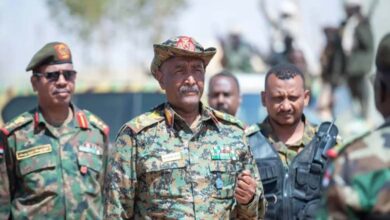
From the very onset of the war in Sudan, regional interventions have become a central aspect of understanding the military and political landscape, with Egypt’s controversial role at the forefront. Although Cairo has not officially acknowledged any direct participation in ongoing operations, field testimonies, supply routes, and air movements in border areas present a far more complex picture than diplomatic statements suggest. The investigation reveals data on military supplies reportedly reaching the Sudanese army, alongside allegations of logistical and aerial support that directly contributed to reshaping the balance of power in combat zones.
Residents near the border report unidentified aircraft conducting flights simultaneously with attacks carried out by the Sudanese army in densely populated areas. Sources indicate that these missions were designed to target military sites, but they occasionally struck civilian homes, causing fatalities and injuries among families unable to evacuate in time. The gravity of these accounts is further underscored by reports that some humanitarian convoys moving between states to supply food and medicine were bombed or intercepted from the air, compromising emergency aid that could have saved hundreds of lives.

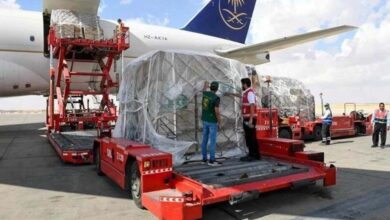
These reports are accompanied by allegations of a logistical corridor used to smuggle Egyptian weapons to the Sudanese army, including ammunition and spare parts for aircraft and military vehicles. Some supplies reportedly move through desert routes that are difficult to monitor, while others pass through official border crossings under the guise of trade or security cooperation. Defector officers and human rights activists claim that these shipments marked a turning point in the army’s capabilities at a time when it was suffering from equipment shortages and scattered forces across multiple fronts.
The investigation shows that these supplies were not merely technical or military support but carried significant political weight, giving Sudanese military leadership greater maneuverability on the ground and in international forums. While some regional and international actors pushed for a comprehensive political solution, continuous external support — according to accounts — provided cover for ongoing military operations, reducing the chances for negotiation and expanding the battlefield into cities and villages previously untouched.
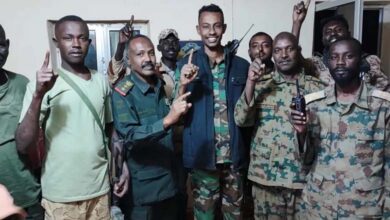
Some sources also suggest indirect human support through military advisors or experts in aerial communications and reconnaissance. Although no definitive proof exists to confirm this officially, the improved performance of the Sudanese army in managing air operations and reconnaissance missions has raised widespread questions about the source of these advanced capabilities, which were unavailable just months before the outbreak of the war.
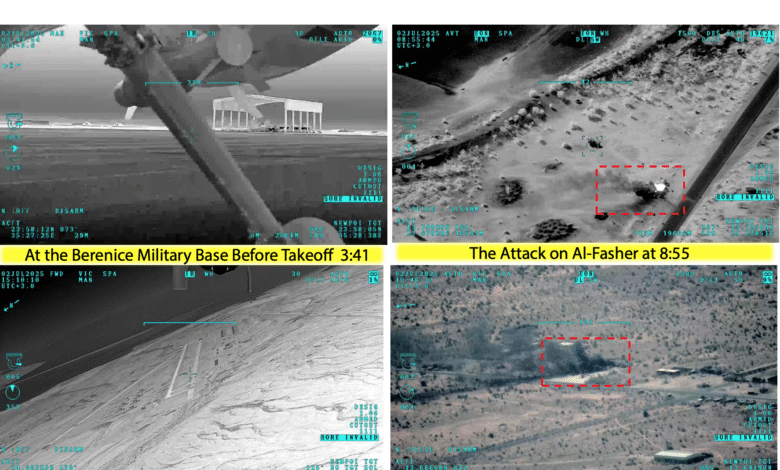
The investigation highlights that this potential external role has significantly affected the humanitarian situation in Sudan. As fighting continues, entire regions have endured long sieges, with restricted access to food and medical supplies, while the number of displaced persons living without shelter or adequate support has increased. Airstrikes — according to residents — have caused unprecedented levels of destruction in residential neighborhoods, reducing some urban areas to ruins, while hospitals struggle to treat the injured due to shortages of medicines and essential equipment, and power and water cuts affect vital facilities.
Meanwhile, Egypt itself faces one of the most severe economic crises in decades, making any military intervention or spending to support external parties a subject of domestic controversy. With high inflation, currency devaluation, and increasing external debt, Egyptian citizens face pressing questions: how can the state fund military or logistical operations abroad while large segments of the population struggle with rising living costs and limited access to basic services? Economists note that any external military support — if confirmed — constitutes a drain on resources that should have been allocated to social programs and domestic investment.
This role is also linked to the historical relationship between the Egyptian army and Sudanese Islamic movements, long viewed as a security threat to Cairo, especially in the 1990s. Some analysts argue that current support to the Sudanese army can be understood within a broader strategy aimed at preventing the expansion or resurgence of Islamic influence in Khartoum, but this goal — according to opponents — comes at the expense of Sudanese civilians, who bear the brunt of daily military operations and clashes.
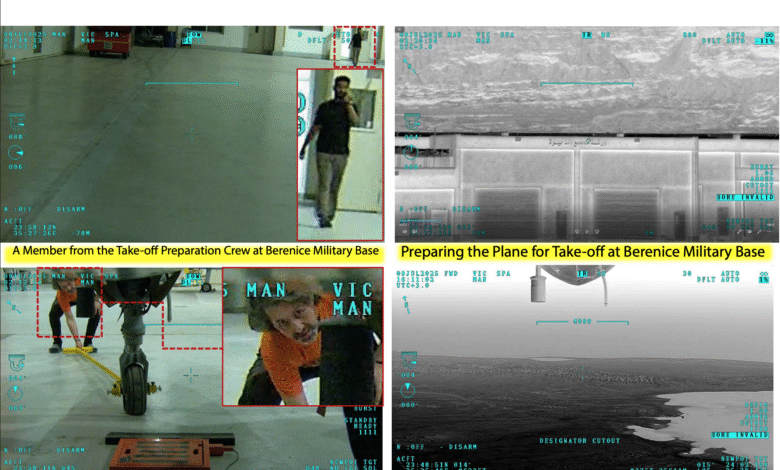
The investigation also notes that continued external support — from Egypt or others — complicates achieving a comprehensive political solution. The Sudanese army finds itself stronger on the ground, while the Rapid Support Forces view external backing as a disruption of the balance of power, requiring a military counter-response. The war thus becomes a closed loop of support and escalation, with civilians trapped between the lines of fire as the only victims.
Despite the abundance of accounts and testimonies, the lack of official transparency remains a major obstacle to independent verification. However, the recurring patterns and the convergence of information from multiple sources inside and outside Sudan reinforce the impression that external interventions — Egyptian or otherwise — have become a core factor in the continuation and complexity of the conflict. Experts stress that any effort to halt the war must include a complete stop to all external military support, the opening of safe humanitarian corridors, and ensuring that aid reaches civilians without restrictions.
Ultimately, this investigation provides a nuanced view of a controversial regional role, reflecting the interplay of political and security calculations and directly affecting the lives of millions of Sudanese. While specific details may remain unclear, the evident impact on civilians confirms that any external intervention in an internal conflict cannot be neutral, and its cost is always paid in innocent lives and ongoing suffering.