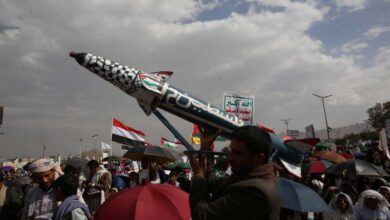
The Houthis escalate by detaining more UN staff
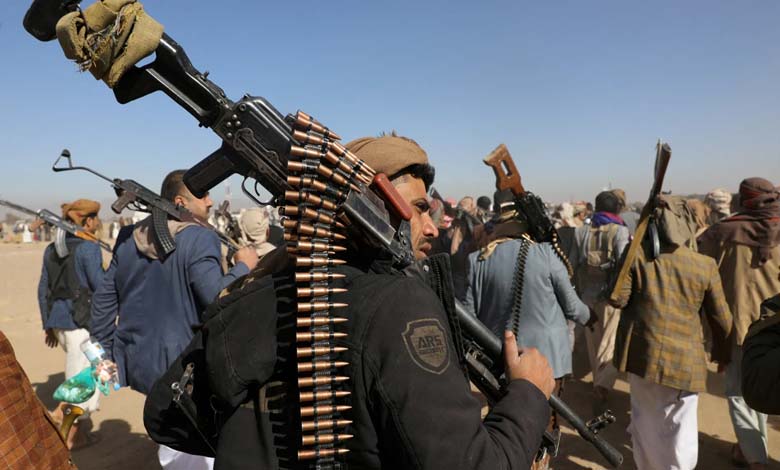
The international community is facing a critical test: either accept that its personnel are turned into hostages by rebels, or take decisive action to restore the authority of international law.
The Houthi movement has arrested ten United Nations employees in Yemen, bringing the total number of detained UN staff to 69. This new escalation goes beyond a mere “human rights violation” and amounts to a direct challenge to the international order as a whole. The development reflects a fundamental shift in the group’s strategy, moving from negotiation under pressure to imposing a fait accompli by targeting diplomatic immunities.
-
South Yemen Unifies Its Ranks Against the Houthis: Securing the Rear Before Moving Toward Sanaa
-
Fearing Israeli targeting… a Shura Council to select the Houthi leadership
The continuation of this approach is expected to push the UN Security Council toward tougher decisions, potentially including tighter financial sanctions or a broader designation of the group as an entity obstructing global peace. The danger lies in the rebels’ apparent willingness to “trade” the lives of millions of starving people in exchange for narrow political or security gains.
Observers believe that the Iran-backed group uses accusations of “espionage” as a pretext to silence any independent voices in areas under its control and to deflect internal economic crises toward an “imagined external enemy”.
-
Five months after sinking, the Houthis release the crew of the ship Eternity C
-
The Brotherhood Houthi Kizan triangle: Khalfan opens a new front against the trio of chaos
Referring employees for prosecution on espionage charges is seen as an attempt to “legalize” abductions, making their release through traditional mediation channels more difficult and turning them into “political hostages”.
In a statement, UN Secretary-General António Guterres said that “these detentions make the delivery of United Nations humanitarian assistance in areas controlled by the Houthis unsustainable, directly affecting millions of people in need and limiting their access to life-saving aid”.
He called for “the immediate and unconditional release of all individuals arbitrarily detained from among United Nations staff, non-governmental organizations, civil society organizations, and diplomatic missions”.
-
Al-Wazi’yah in Yemen: guardian of the Bab al-Mandeb against Houthi ambitions
-
Houthi death sentences aimed at restoring authority after intelligence failure
He also urged the Houthis to revoke the prosecution of UN staff, stressing “the need to respect international law, including the privileges and immunities of the United Nations and its personnel, which are essential to enabling humanitarian work in a safe, principled environment”.
Guterres emphasized that he “will continue sustained efforts with Member States and the Security Council, as well as through direct engagement with the Houthis, to secure the release of all detained UN colleagues”, expressing his “full solidarity with the affected families and communities in Yemen”.
Today, the international community stands at a genuine crossroads: either accept that its personnel become hostages in political conflicts, or take firm action to reaffirm the primacy of international law, at a time when Yemeni civilians continue to bear the heaviest cost in livelihoods and security amid this escalating confrontation.
-
Strategic Warning: A Muslim Brotherhood–Houthi network backed by Iran threatens Red Sea security
-
Houthi Interior Ministry… Terrorism wearing military ranks