The Iranian regime under bombardment: weakened control, divisions, and fear
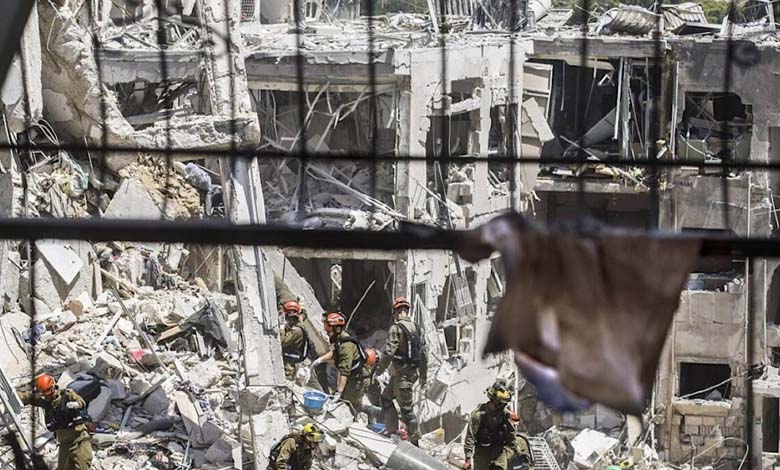
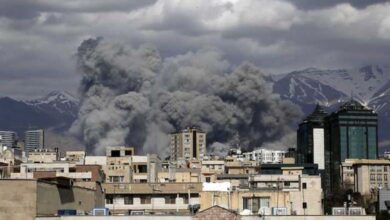
The strategy of targeting first- and second-tier leaders has struck the Iranian regime and created a leadership fracture that is “difficult to repair,” thereby weakening the regime’s grip.
The New York Times reported, citing officials familiar with Western intelligence assessments, that the war in Iran has caused divisions within the Iranian government, complicating its ability to make decisions and coordinate large-scale attacks.
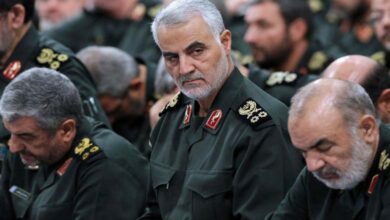
Dozens of Iranian commanders and their deputies have been killed since the war began four weeks ago. Survivors are struggling to communicate and cannot meet in person for fear that their calls may be intercepted by the United States or Israel and that they could be targeted in an airstrike, according to sources whose identities the newspaper did not disclose.
The government’s ability to plan new strategies or policies has diminished, while Iran’s security and military apparatuses continue to function.
The administration of U.S. President Donald Trump announced that “a new government is taking charge in Iran, and we are pressuring it to reach a swift agreement.”
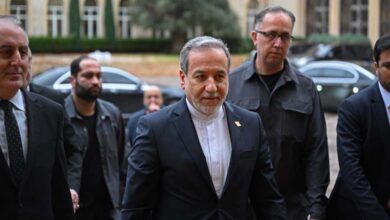
Meanwhile, as new leaders assume key positions, Iranian negotiators may have limited knowledge of what the government is prepared to concede, or even whom they are supposed to speak with, according to the newspaper.
In addition, U.S. officials say that hardliners within the Islamic Revolutionary Guard Corps have become more influential in Iran, exercising greater authority than the religious leadership that nominally holds power.
On Monday, President Donald Trump threatened to broaden the scope of the war if no agreement was reached quickly, hinting that U.S. forces might attempt to seize Kharg Island, Iran’s main oil export hub.
“The fear of surveillance”
Furthermore, breaches affecting Iranian communication networks have created an atmosphere of confusion and suspicion among surviving government leaders, who fear that their calls and messages may have been intercepted by Israeli intelligence, officials told the newspaper.
As a result, these leaders have become reluctant to make phone calls, according to officials familiar with Western intelligence assessments.
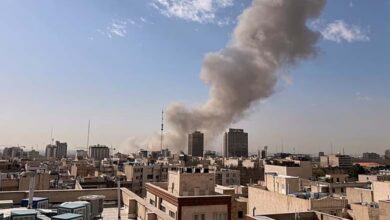
Israel began the war with a strike on a command complex that resulted in the death of Iran’s Supreme Leader, Ali Khamenei, along with most of the national security leadership. The strike also killed lower-ranking officials whom the United States considered more pragmatic, U.S. officials said.
Trump himself stated in interviews that potential candidates to lead Iran had been killed.
According to Western officials and others familiar with assessments on Iran, the strikes severed many links between policymakers in the security, military, and civilian spheres.
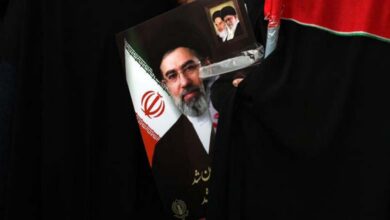
It remains unclear to what extent the new Supreme Leader, Mojtaba Khamenei, exercises control over the government, as he has not appeared publicly since assuming the position.
Meanwhile, some intelligence officials believe that Khamenei may be merely a symbolic figure and that the remaining leadership of the Islamic Revolutionary Guard Corps is making the actual decisions.
A senior U.S. military official told the newspaper that Iranian command and control had been severely damaged by U.S. and Israeli strikes.
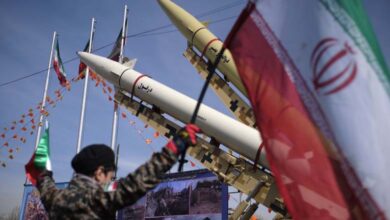
As a result, Iran’s attacks have not been as large or as effective as they might have been. Local commands across the country are forced to launch counterattacks without coordination in the absence of centralized control. This situation also contributes to the emergence of contradictory messages in Iran’s negotiations, which is causing frustration in Washington.