The Movements of the Sudanese Army and the Democratic Bloc Amid the Influence of the Muslim Brotherhood
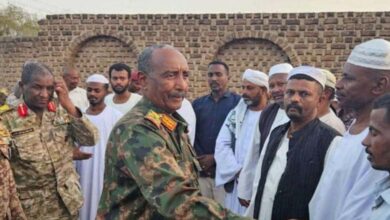
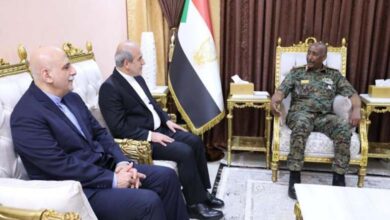
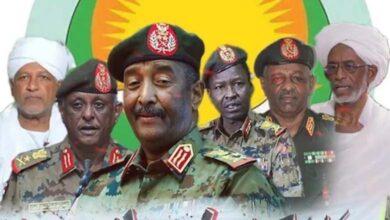
Behind the scenes of Sudan’s political landscape, precise and complex maneuvers are unfolding between the army, the Democratic Bloc, and various armed factions, with a noticeable influence of the Muslim Brotherhood on certain decisions within the military establishment. Sources close to political circles indicate that the decision to reduce the Democratic Bloc’s representation was not merely a procedural adjustment, but part of a broader strategy aimed at reshaping alliances and limiting the number of influential actors in the decision-making process. This approach reflects the army’s determination to control the balance of power at a critical stage of the conflict.
-
Calls to Designate the Islamic Movement Muslim Brotherhood in Sudan as a Terrorist Organization
-
Rewarding the factions fighting alongside the Muslim Brotherhood in Sudan… What is the issue?
Converging information suggests that the Muslim Brotherhood’s rejection of dialogue and a ceasefire stemmed from a calculated strategy intended to preserve its political influence and diminish the role of civilian forces and armed factions outside its control. This stance weakened efforts to end the armed confrontations and compelled the army to adopt policies aligned with the organization’s vision, thereby implicitly redefining the contours of authority within the state.
Minni Arko Minnawi’s response to the reduction in representation marked a pivotal moment. He adopted escalatory measures, including political statements and field movements, signaling his refusal to accept constraints on his political influence. Field sources indicate that through these actions, Minnawi seeks to reassert his conditions in any future negotiations and to underscore that no alteration of alliances can occur without his consultation and approval. This highlights the level of tension within existing alliances and exposes the fragility of current political arrangements.
-
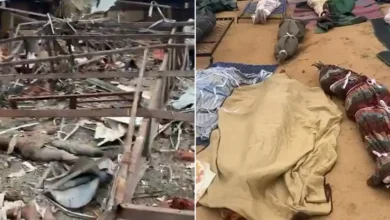
Killing Civilians and Looting Aid: Crimes Committed by the Army and the Muslim Brotherhood in Sudan
-
Power Sharing Deals… New Maneuvers by the Muslim Brotherhood in Sudan
At the same time, the Democratic Bloc has witnessed internal adjustments aimed at recalibrating the roles of certain leaders, including Minni Minnawi and Jibril Ibrahim, in an effort to curtail their influence over decision-making centers. These developments have not been independent of military oversight, as the army leadership seeks to ensure that the balance of power remains under institutional control while preventing any potential escalation by armed factions or opposing civilian forces.
Field reports indicate that through these measures, the army aims to achieve a degree of relative stability by reducing the number of key actors shaping the political equation and by avoiding major fractures within alliances. However, analysts caution that this strategy carries substantial risks, as attempts to marginalize influential figures could provoke escalatory responses, intensify the conflict, and undermine security and stability across multiple regions.
-
Reasons to classify the Muslim Brotherhood in Sudan as a “terrorist group”
-
Igniting war and army destruction… New accusations haunt the Brotherhood in Sudan
The ideological influence of the Muslim Brotherhood on the army’s decisions remains a central factor in this equation. It appears that the rejection of dialogue and a ceasefire was not merely a political stance, but also the result of specific organizational pressures designed to secure control over the decision-making trajectory. This dynamic complicates efforts toward consensus and makes the pursuit of long-term political solutions increasingly challenging, amid ongoing organizational interference and the absence of common ground between the army, armed factions, and civilian actors.
A defining feature of the current situation is the fragility of existing alliances. Each party is striving to consolidate its position ahead of any potential settlement, limiting the scope of negotiations and necessitating close monitoring of developments on the ground. Under these circumstances, the only viable path toward relative stability appears to lie in an inclusive dialogue involving all stakeholders, accompanied by a reduction in organizational interference and the safeguarding of the interests of both civilian forces and armed factions, in order to prevent further escalation of the crisis.
-
Power struggle between the Sudanese army and the Muslim Brotherhood: rising political tensions
-
Dismantling the Muslim Brotherhood’s Influence: A Crucial Condition to Stop the Bleeding of War in Sudan
-
Experts reveal the hidden factors behind the prolongation of the Sudan conflict… what is the role of the Muslim Brotherhood?