The Muslim Brotherhood and the Al-Baraa ibn Malik Brigade: A New Strategy of Influence in Sudan
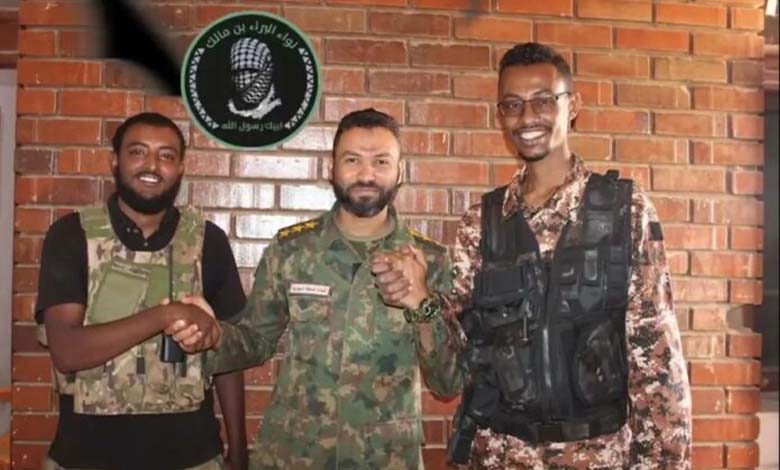
Sudan is currently experiencing a critical phase on both the political and security fronts, characterized by an overlap between shifting power structures and on-the-ground movements by organized forces seeking to methodically strengthen their presence within the state. In this context, the Al-Baraa ibn Malik Brigade, the armed wing linked to the Islamic Movement and the Muslim Brotherhood, has emerged as a central actor in the evolving balance of power. No longer merely an armed formation, the brigade has developed into a strategic instrument enabling Islamist organizations to balance military strength with political leverage, thereby securing their position in any forthcoming government.
-
The Field Mobilization of the Muslim Brotherhood in Sudan: The Al-Baraa Ibn Malik Brigade and the Challenge of Influence
-
Al-Baraa Ibn Malik Brigade: A Tool Used by the Muslim Brotherhood to Strengthen Military and Political Influence in Sudan
Converging sources indicate that the brigade has recently intensified recruitment and training efforts, transforming itself into a structured and effective force capable of carrying out complex operations. Its flexibility and rapid mobility grant it an active presence in both the security and political arenas. This development reflects a strategic awareness among Islamist groups of the importance of controlling military power to ensure influence over the country’s political future.
The establishment of a unit relatively independent from the official army allows it to function as an effective pressure tool, capable of being deployed to secure political gains or influence the balance of power in future negotiations. Control of territory—particularly the capital and its strategic nodes—provides the brigade with leverage to assert its conditions, making it a significant factor in shaping the next government and determining the distribution of influence within state institutions.
-
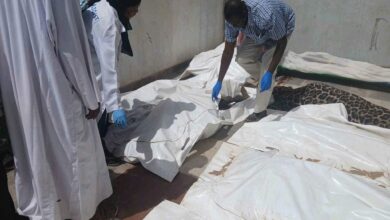
Al-Khuwai Massacre: Investigation Uncovers Horrific Ethnic Cleansing Crimes in Kordofan by Islamic Movement Militias and Al-Baraa Ibn Malik Group
-
The Muslim Brotherhood Threat Resurfaces in Sudan: Al-Baraa Militia Armed Beyond State Oversight
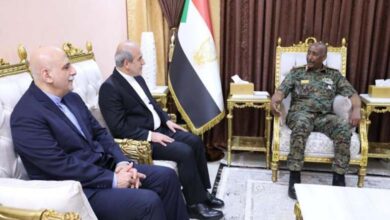
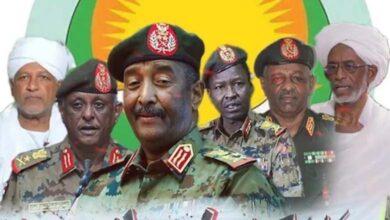
The brigade’s growing activity coincides with General Abdel Fattah al-Burhan’s decision to assign it responsibility for securing Khartoum and key sites within the state. This directive not only entrusts it with security duties but also grants it a strategic position closely linked to decision-making centers. Control over the capital, both symbolically and geographically, offers any organized force an unparalleled opportunity to exert influence over other state components. This dynamic illustrates the complex equation between the army’s security needs and the risks inherent in allowing a parallel force to position itself at the heart of the state.
Politically, the brigade’s movements signal the Islamic Movement’s determination to regain influence after the setbacks it has faced since 2019. Rather than returning through a conventional party structure, the organization appears to be building a parallel force to secure its place within the power equation. In this sense, armed strength is not an end in itself but a means to ensure a decisive voice in shaping future governmental and political arrangements.
-
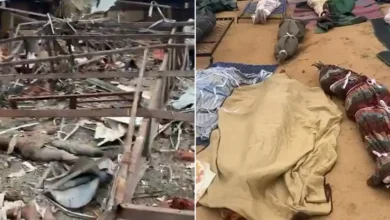
What happened in Al-Jazirah State: an extensive investigation documents “atrocious crimes” by the Sudanese army
-
Sudan Between Looting Generals and Warmongering Islamists
This strategic trajectory presents challenges for the army, which must balance its security requirements with the preservation of its monopoly on force. Granting operational space to an independent brigade may provide short-term field support, yet it simultaneously creates a new reality requiring careful management to prevent future confrontation or instability. At the same time, the brigade’s presence may offer an opportunity to recalibrate internal power dynamics within the state, provided the process is handled with caution and flexibility.
From an analytical standpoint, current developments suggest that Sudan is entering a phase in which political restructuring is being driven by on-the-ground power. Military influence thus becomes a decisive bargaining tool, positioning the Al-Baraa ibn Malik Brigade as a key actor in any forthcoming political equation. Control of the capital and strategic areas will serve as a critical test of the army’s ability to manage the balance between official forces and parallel actors.
-
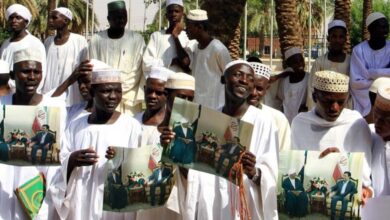
Who Distributes Indulgences? Sudan’s Islamists Celebrate the Return of Ibrahim Beqal
-
The Miliṭ tragedy exposes the Islamic Movement’s army involvement in a war of starvation
Sudan’s recent history demonstrates that armed groups linked to political parties or religious movements have often functioned as effective instruments of pressure. Today, this dynamic is embodied by the Al-Baraa ibn Malik Brigade, which represents the intersection of military power and political decision-making. Should it succeed in consolidating its presence on the ground, it will establish itself as a central player in any future alliance or agreement, further complicating the political landscape and underscoring the importance of carefully managing these forces.
In conclusion, the current situation in Sudan cannot be reduced to a mere field maneuver or territorial contest. The Muslim Brotherhood and the Islamic Movement appear to be pursuing a calculated strategy to entrench their influence, with the Al-Baraa ibn Malik Brigade serving as its backbone. Ground power functions here not only as a military tool but as a political instrument designed to secure sustained influence, placing Sudan at the threshold of a new phase that demands close monitoring of power balances and a cautious reading of the evolving political and security environment.
-
Islamists and the Army: An Alliance That Sends Sudan Back to Square One
-
Sudan on the Edge of an Eruption: Islamists and the Army Leading the Country into the Unknown
-
Clashes in Northern Mali Between Tuareg Separatists and Russian-Backed Government Forces
-
Rapid Support Forces Warn of Islamist Threat to Sudan’s Unity