The Muslim Brotherhood in British universities: breeding grounds for extremism under student fronts
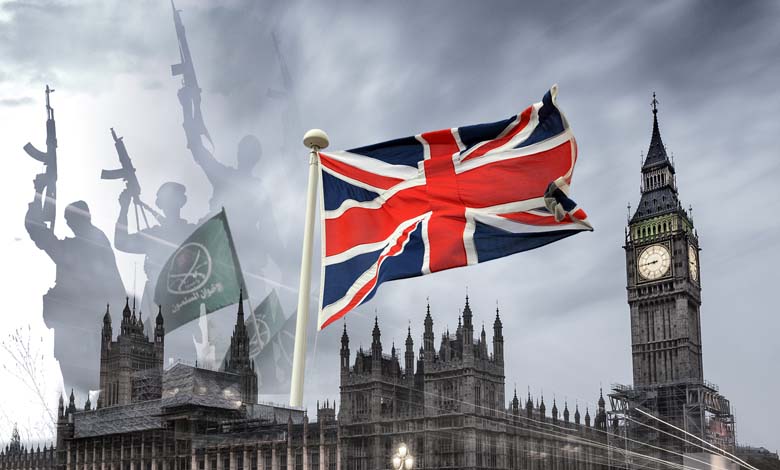
A report by the British news channel GB News has warned of growing concerns within political and security circles over the infiltration of the Muslim Brotherhood into universities through student activities, contributing to the spread of extremist discourse among young people.
According to the report, the group uses student organizations as organizational fronts to host extremist speakers on university campuses, during events and lectures perceived as promoting radical ideological views. This approach takes advantage of the open spaces provided by universities under the banners of freedom of expression and intellectual pluralism.
-
Report Reveals Rise of Muslim Brotherhood Influence in British Prisons… Details
-
Why Did the American and British Intelligence Create the Muslim Brotherhood? Writer Thierry Meyssan Answers
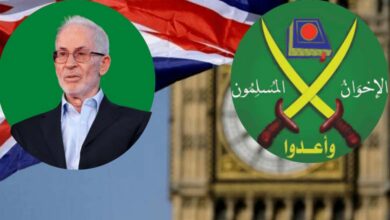
The report notes that the Muslim Brotherhood, which promotes the slogan “Islam is the solution,” seeks, according to its declared ideological foundations, to establish systems of governance based on its radical interpretation of Islamic law, placing it in direct conflict with the democratic and secular values upon which the British state is founded.
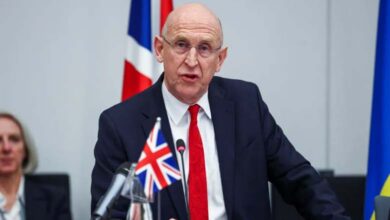
GB News also highlighted the government investigation conducted by the United Kingdom in 2014 into the group’s activities, overseen by Sir John Jenkins, former British ambassador, which concluded that the Brotherhood’s beliefs were incompatible with British values, although it did not recommend an official ban at the time due to insufficient legal evidence.
-
Will Britain Follow Washington’s Lead? House of Lords Debates the Designation of the Muslim Brotherhood
-
Internal disputes within the Muslim Brotherhood in the UK: a power struggle over financial resources
An unresolved review
Despite more than a decade having passed since that investigation, the report indicates that the current British government, led by Keir Starmer, confirmed last year that the Muslim Brotherhood file remains under “careful review,” without a final decision to ban the group, leaving the political and security debate over its activities in the country unresolved.
In a related context, the report cites official figures showing rising concern within educational institutions. During the 2023–2024 academic year, 70 university students were reported for possible referral to the government’s Prevent counter-extremism programme, due to concerns linked to Islamist extremism.
-
Alliances beneath the depths: A joint British-Norwegian fleet to counter Russian submarines
-
Texas reopens a long-suppressed American file… What lies behind the decision to classify the Muslim Brotherhood and CAIR?
These cases represent, according to the report, nearly double the number of referrals recorded in the previous academic year, within a university population of around three million students, which the channel described as an alarming indicator of the phenomenon’s expansion across universities.
The report explains that the increase in these indicators has brought renewed political calls for a firmer stance toward the Muslim Brotherhood, viewed as a movement accused of spreading radical ideological discourse, while emphasizing the need to curb its ability to operate within educational institutions.
GB News concluded its report by warning that continued hesitation in addressing the group’s activities within universities could allow it to entrench a long-term presence in the academic environment, posing a threat to democratic values and social cohesion in the United Kingdom, particularly among younger generations.
-
The Muslim Brotherhood in the UK: Ideological Expansion and a Failure to Confront It
-
The Muslim Brotherhood in Ireland: multiple arms and ongoing pressure for regulation
-
A Cross-Border Criminal Record: The Story of the Muslim Brotherhood Member Accused of Terrorism in Egypt and Jailed for Rape in London
-
The Muslim Brotherhood in the UK: 39 Associations Implementing the International Organization’s Agenda
-
The Growing Influence of the Muslim Brotherhood in Britain: Urgent Warning and a Recovery Prescription