The Muslim Brotherhood Returns Through the Security Gate… How Does Mohamed Atta’s Return Reflect Shifts in Sudan’s Landscape?
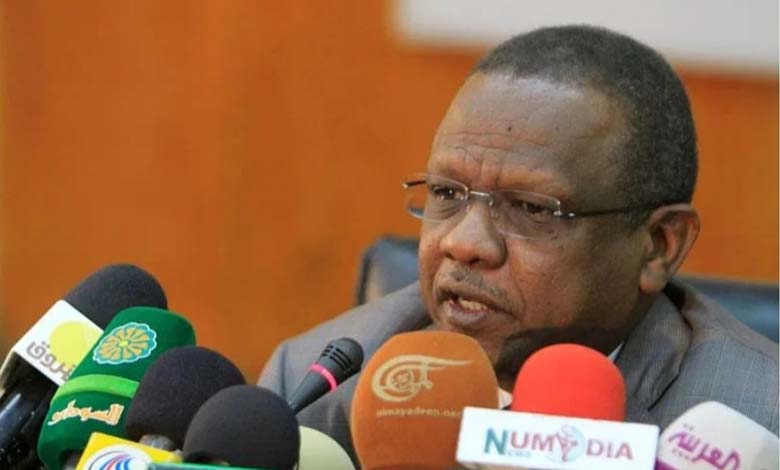
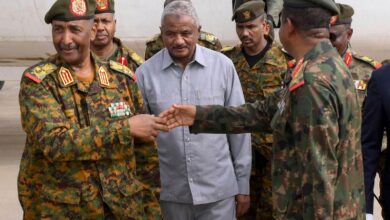
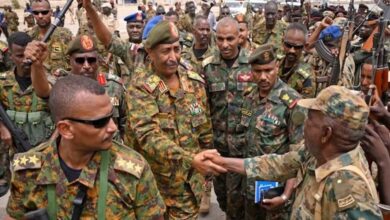
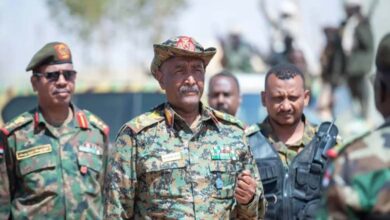
Recent developments in Sudan point to growing indications of the Islamist current’s return to the forefront of influence within state institutions, following the return to the country of former intelligence chief Mohamed Atta. The move has raised questions about the nature of the ongoing arrangements within the military establishment.
-
The Return of Mohamed Atta to the Political Scene… Reconfiguring Islamist Influence within State Institutions
-
Mohamed Atta Fadl al Moula is one of the key leaders of the Al-Bashir regime
This return unfolds within a complex political and security context, as the military leadership faces multiple challenges related to managing the war, maintaining internal balances, and securing a political base capable of ensuring its continued stewardship of the transitional phase.
Observers argue that relying on figures with Islamist organizational backgrounds reflects an awareness within the military establishment of the importance of networks associated with the Muslim Brotherhood, which possess extensive experience in administering state institutions and operating within sovereign bodies.
-
Hemetti Launches Harsh Attack on Al-Burhan and the Muslim Brotherhood… Speaks on Crisis with Egypt
-
The presence of Tigray’s leadership in Sudan: Interpreting the implications of potential regional alliances
Assessments suggest that this step may mark the beginning of a renewed empowerment of Islamist elements within state institutions, whether through appointments or the redistribution of positions, thereby reconstructing a network of influence that receded after the fall of the previous regime.
Analysts believe that Mohamed Atta’s return carries political implications that go beyond its security dimension, as it reflects the continued influence of the Islamist current over decision-making processes within the military establishment and its capacity to reposition itself amid current transformations.
-
Sudan’s moves toward Tigray: Between security calculations and rising tensions with Ethiopia
-
Internal and external alliances: How is the war reshaping the equation of power in Sudan?
At the same time, notable economic movements have emerged, indicating a trend toward strengthening cooperation with Turkey, as Turkish companies seek to expand their presence in Sudan’s oil and energy sectors.
Reports indicate that these firms are negotiating to secure investment concessions in exploration and production as part of a broader plan to reinforce Turkey’s economic footprint in the country.
Experts suggest that this expansion may be part of unannounced understandings based on an exchange of interests between Turkish military or logistical support and the granting of investment opportunities to Turkish companies in strategic sectors.
-
Security and energy files in Sudan: Managing an exceptional phase through new arrangements
-
The return of Mohamed Atta and the expansion of Turkish companies: Indicators of a restructuring of power centers in Sudan
This trajectory reinforces assessments pointing to increasing reliance on regional partners to offset the economic and military pressures facing the country, amid dwindling resources and deteriorating infrastructure.
These developments raise concerns about the impact of intertwining military support with economic concessions on the future management of national resources, particularly in a vital sector such as oil.
-
Debretsion’s Presence in Sudan: An Indicator of Potential Regional Escalation
-
Balancing Power in the Horn of Africa: A Strategic Reading of Tigray’s Presence in Sudan
Observers further contend that combining the internal reinstatement of the Islamist current with the strengthening of partnerships with supportive regional actors reflects a comprehensive strategy aimed at consolidating the current balance of power within the state.
In light of these dynamics, Sudan appears to be entering a new phase characterized by the restructuring of political, security, and economic alliances, reflecting the ongoing struggle over power and the future trajectory of the state in the coming period.
-
Sudan–Ethiopia Tensions: Is the Tigray Card Turning into a Military Pressure Tool?
-
Oil in exchange for support: New alliances between Islamists and Turkey in Sudan