The return of Mohamed Atta and the expansion of Turkish companies: Indicators of a restructuring of power centers in Sudan
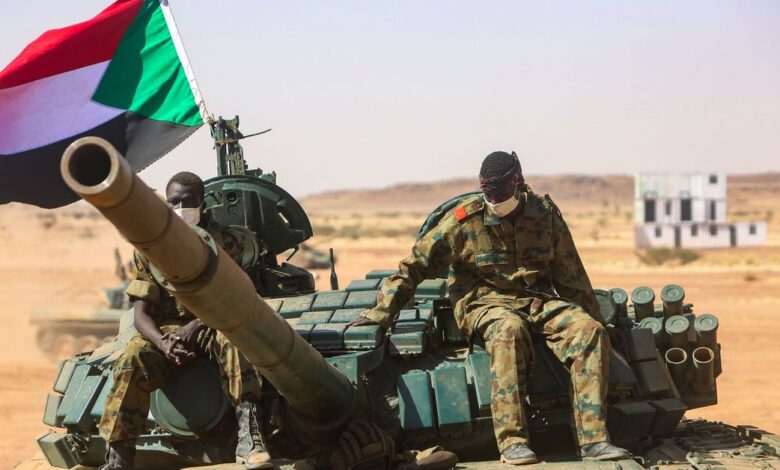
Recent developments in Sudan point to a new phase in the reconfiguration of decision-making centers within state institutions, amid the continuation of war and the growing complexity of political, security, and economic conditions. In this context, the return to the country of former intelligence chief Mohamed Atta coincides with increasing external economic activity, particularly by Turkish companies seeking to expand their presence in the oil and energy sectors.
-
The return of Mohamed Atta and the expansion of Turkish companies: Indicators of a restructuring of power centers in Sudan
-
The Muslim Brotherhood Returns Through the Security Gate… How Does Mohamed Atta’s Return Reflect Shifts in Sudan’s Landscape?
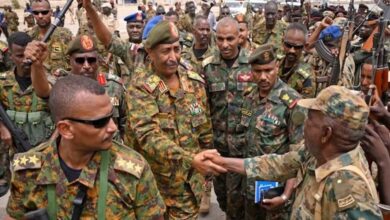
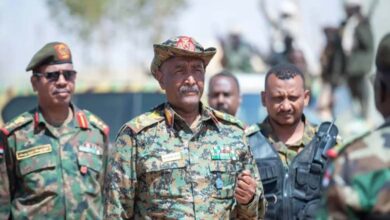
Mohamed Atta’s return comes at a time when the state faces significant security challenges that require strengthening intelligence capabilities and reorganizing operations within the security apparatus. Political assessments suggest that turning to former leaders with extensive experience in managing security portfolios reflects a tendency to revive traditional networks that played a central role in governing the state during previous periods.
Observers argue that this step extends beyond technical or administrative considerations and is linked to a broader context of reintegrating figures associated with the Islamist current into influential circles. This interpretation is supported by indications of a move to reactivate organizational cadres with institutional and administrative expertise.
-
The Return of Mohamed Atta to the Political Scene… Reconfiguring Islamist Influence within State Institutions
-
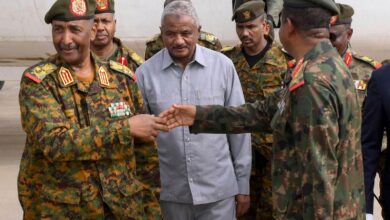
Mohamed Atta Fadl al Moula is one of the key leaders of the Al-Bashir regime
Political sources indicate that the coming phase may include additional measures, such as redistributing certain positions within state institutions to broaden the organizational support base under the exceptional circumstances the country is experiencing. Analysts believe that the military establishment is seeking to build a more cohesive governance structure based on experienced networks capable of operating in a volatile environment.
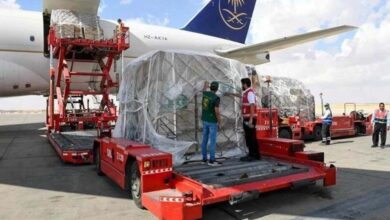
Alongside these internal developments, notable economic shifts have emerged, marked by increased interest from Turkish companies in the Sudanese market, particularly in the energy sector. Economic information suggests that several Turkish firms have held discussions with official entities to explore investment opportunities in exploration, production, and the rehabilitation of oil infrastructure.
-
Hemetti Launches Harsh Attack on Al-Burhan and the Muslim Brotherhood… Speaks on Crisis with Egypt
-
Sudan Between the Hammer of Its Crises and the Anvil of Turkish Influence
This interest arises amid declining oil production due to security conditions and the suspension of operations in several fields and facilities, prompting authorities to seek foreign partners capable of providing urgent investments and operational expertise.
Informed sources indicate that relevant authorities are working to facilitate the entry of Turkish companies into the market by accelerating contracting procedures and granting investment incentives aimed at attracting firms willing to operate in a high-risk environment.
-
Turkish Intervention in Sudan: Foreign Influence Threatening Internal and Regional Stability
-
Turkish Intervention in Sudan: A Short Film Reveals the Secrets of Influence and Expansion Patterns
Some observers link this economic expansion to the level of political and military relations between the two sides, suggesting that economic cooperation may intersect with broader arrangements that include technical or logistical support.
Taken together, these developments reflect a comprehensive phase of restructuring across security, political, and economic spheres, as the military leadership seeks to strengthen its capacity to manage the current phase and ensure the continuity of vital sectors.
Experts emphasize that the continuation of this trajectory will depend on developments on the ground, the state’s ability to restore institutional stability, and the nature of the regional balances surrounding Sudan in the coming period.
-
When Weapons Are Tested Outside Laboratories: Turkish Drones in Sudan and the Unveiling of an Overlooked Truth
-
Turkish drone strategy tested in Sudan: the failure of Bayraktar and Yiha reveals the limits of Ankara’s military influence
-
Turkish drones in Sudan: when weapons fail and intentions are exposed
-
Turkish Bayraktar Drones: Deepening the Conflict and Worsening the Wounds in Sudan
-
Turkish Presence in Sudan: Military Support Increases Civilian Suffering and Destroys Infrastructure