The Sadrists warn against using their name in government formation negotiations
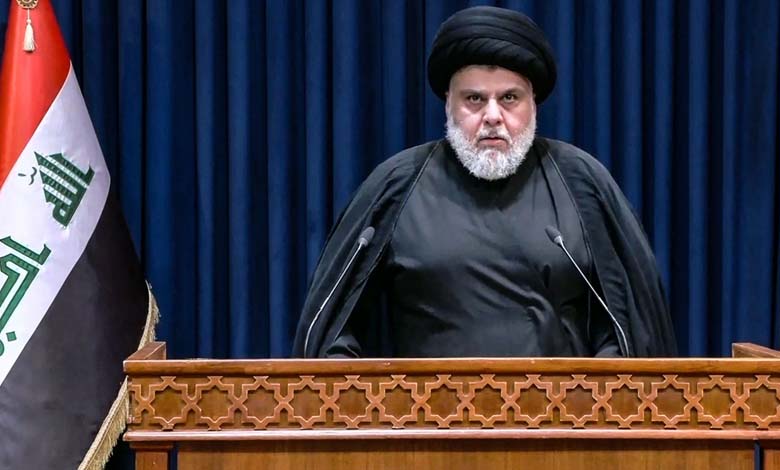
A representative of the Sadrist movement has warned against attributing the consequences of a political process to the movement when it does not participate and gives no endorsement, particularly through the inclusion of figures previously affiliated with it.
-
Al-Halbousi clings to the Alliance candidate for Parliament presidency amidst Sunni division
-
Embezzlement of funds allocated for ISIS victims reveals the extent of corruption in Iraq
The Sadrist movement has reaffirmed its categorical refusal to engage, directly or indirectly, in discussions regarding the formation of Iraq’s next government, cautioning against what it describes as “misleading” attempts to associate its name with ongoing political arrangements. This statement comes at a time when the Iraqi political scene is marked by uncertainty, particularly in consultations for selecting the next prime minister, following Mohammed Shiaa Al-Sudani’s withdrawal from the race.
Saleh Mohammed Al-Iraqi, known to be close to the movement’s leader Moqtada Al-Sadr, revealed that influential actors are maneuvering to create the impression of a link between the Sadrist movement and the forthcoming government by promoting names of figures previously associated with the movement. He described these attempts as an “unacceptable overstep,” warning against holding the movement accountable for a political process in which it neither participates nor endorses.
-
The Iraqi political scene is complex and open to all possibilities after the removal of Al-Halbousi
-
Iraq addresses Turkey’s security concerns by calling for a border security agreement
Al-Iraqi stressed that the movement’s position is decisive and clear, not open to interpretation. He explained that the aim of these maneuvers is to create a misleading public impression that the next government enjoys Sadrist support, which the movement rejects entirely, viewing this as part of a renewed form of political corruption.
This escalation comes as Moqtada Al-Sadr continues to uphold his decision to withdraw from the political process, a stance unchanged since his parliamentary bloc resigned in summer 2022, when he called on his 73 deputies to submit their resignations, asserting his refusal to participate in a governing system he described as “incapable of reform.” The movement also boycotted the most recent legislative elections despite internal and external pressure to return.
-
Iraq Supports Establishing Joint Operations Center with Turkey to Pursue PKK
-
Washington Assassinate Senior Leader in Iraqi Hezbollah
Al-Sadr links any potential reconsideration of his political stance to strict conditions, including the disbandment of all armed factions, including those affiliated with the movement, the monopoly of weapons by the state, and the launch of a serious process to combat corruption and implement deep structural reforms within the political system.
Close associates of the movement emphasize that the choice to withdraw does not mean absence from the political scene, but represents a transition to a different role based on popular pressure and the rejection of closed political compromises, while stressing that any attempt to associate the movement’s name with agreements or to present them as endorsed by it will be firmly rejected.
-
Al-Sadr hints at possible shift from election boycott
-
Political Corruption Decides al-Sadr’s Decision to Boycott Elections
This position coincides with rapid developments within the Shiite political sphere, following Sudani’s announcement that he will not seek a second term, which has reshuffled the cards of the “Coordination Framework” and opened the door to controversial figures, most notably Nouri Al-Maliki, a scenario observers believe could further complicate the situation and deepen divisions.
In light of these factors, the Sadrist movement appears determined to remain outside the government formation equation, refusing to bear responsibility for a political process inconsistent with its vision for reform, and asserting that any attempt to link its name to the next government will be met with a firm stance.
-
Al-Sadr Calls on Government to Punish Those Intervening in Syria
-
Al-Sadr’s use of the term Arabian Gulf provokes Iranian anger
-
The Sadrists warn against using their name in government formation negotiations
-
Khazali seeks to transition from armed leader to parliamentary contender