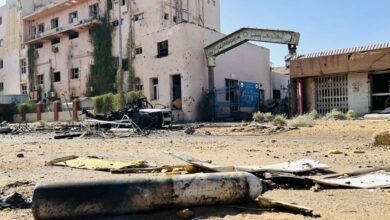
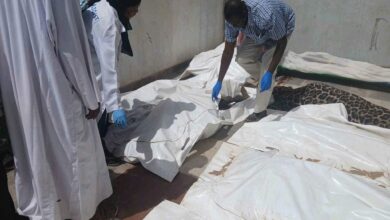
The secret base in the desert: how Egyptian drones turned the war in Sudan into a modern model of proxy warfare
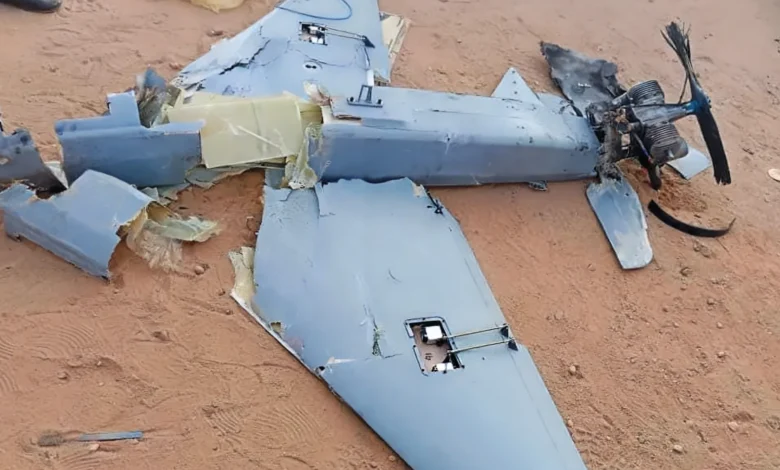
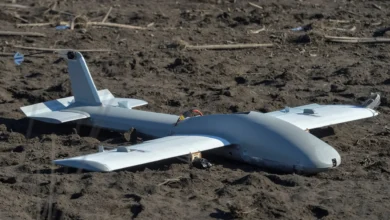
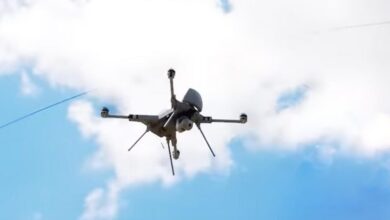
In the heart of Egypt’s Western Desert, where the border with Sudan blends into vague lines of sand and rock, lies a secret air base that has altered the course of the Sudanese conflict ongoing for more than three years. According to investigations published by The New York Times in February 2026, confirmed by reports from Reuters and Western and Arab intelligence sources, East Oweinat Airport—hidden within a vast agricultural project—has become an operations hub for Turkish-made Bayraktar Akıncı drones, from which precision strikes are launched against positions of the Rapid Support Forces deep inside Sudanese territory. These drones, purchased by Khartoum in a $120 million deal in November 2023, are not operated from Sudanese soil for fear of being targeted, but from Egyptian territory, reflecting a serious strategic shift in Cairo’s role from logistical and political support to direct operational involvement.
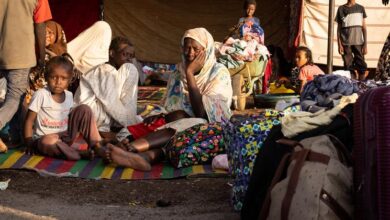
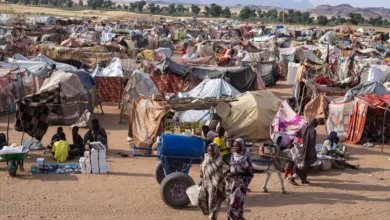
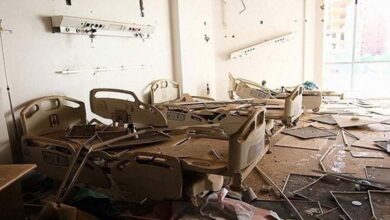
The humanitarian crisis in Sudan is no longer merely the result of an internal conflict between the Sudanese army and the Rapid Support Forces; it has become fuel for a modern regional proxy war, where advanced technology is used to prolong fighting at the expense of civilians. More than 12 million Sudanese have been forcibly displaced, and 33.7 million people—nearly two-thirds of the population—require urgent humanitarian assistance, according to reports by the United Nations and the World Food Programme in March 2026. Famine has been officially declared in El Fasher in North Darfur and Kadugli in South Kordofan, and threatens 20 additional areas across Darfur and Kordofan. Global acute malnutrition rates have exceeded 30 percent in some regions, and disease and hunger have claimed tens of thousands of lives, while the health system has collapsed by 70 percent in conflict zones. Each drone strike prolongs the fighting, obstructs humanitarian convoys, and worsens mass displacement.
What raises the greatest concern is the Egyptian role revealed through satellite imagery and flight records. Operations escalated after the fall of El Fasher in October 2025, when Cairo considered the Rapid Support Forces’ advance toward the border a “red line.” Since then, Akıncı drones—capable of flying more than 800 kilometers—have targeted supply convoys and RSF military positions, granting the Sudanese army a clear tactical advantage. American and European sources confirmed that the drones are sometimes operated by Egyptian or joint crews, despite Cairo’s official denial of any direct involvement in combat. This support is not new; Egypt had been providing political and logistical backing to the Sudanese army since the conflict began in April 2023, but the use of drones transformed this support into an operational partnership.
Conversely, the United Arab Emirates is accused of supporting the Rapid Support Forces with advanced weapons and Chinese-made drones, turning Sudan into a theater of a broader regional confrontation. Turkey, an ally of Egypt in this context, contributed to drone transactions, while Iran supplied other models such as the Mohajer-6. These multiple interventions have transformed the war from a local conflict into a modern model of proxy warfare, where battles are conducted remotely using relatively inexpensive yet effective technology, while civilians bear the heaviest cost. Reports by Amnesty International and testimonies from survivors describe at times indiscriminate strikes on hospitals and displacement camps, increasing civilian casualties.
As a journalist who has followed Sudanese affairs for years, I see documenting this reality as urgent. The international community—through the Security Council and the quadripartite mediation mechanism—must exert real pressure on regional actors to halt the supply of weapons and drones. Protecting civilians is not optional; it is a legal and moral obligation. This requires a comprehensive political solution including an immediate ceasefire, disarmament, and the formation of a transitional government that includes all Sudanese parties without exclusion, backed by regional and international guarantees to prevent future interventions. Sudan is not merely a battlefield; it is a country of more than 45 million people who deserve peace and dignity. If no action is taken now, this proxy war will set the entire region ablaze and leave a whole generation of children paying the price for the ambitions of others.