The shadows of drones over Darfur: human stories from a Sudanese crisis prolonged by regional interference
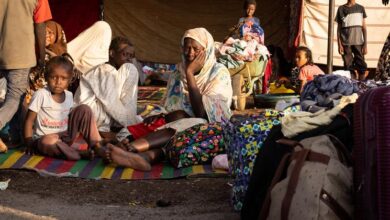
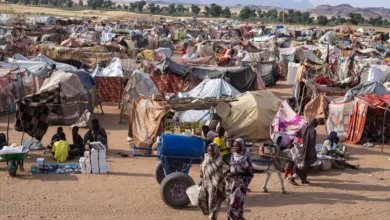
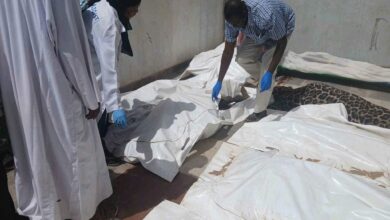
In the temporary displacement camps around El Fasher, where thousands of families live under worn-out tents, Abu Ahmed—a father of five who survived a drone strike last December—describes how the sound of an unmanned aircraft turned his life into a permanent nightmare. “We heard a humming in the sky, then everything exploded. My little daughter lost her leg, and hunger is slowly killing the rest.” These stories are not exceptions; they represent the daily reality of millions of Sudanese enduring what is now the world’s worst humanitarian crisis. Displacement affects 12 million people, and famine is striking more than 635,000 in areas such as Um Baru and Kurnoy, where acute malnutrition rates have exceeded 53 percent in some surveys. Drones, which have become a central tool of the conflict, have not only destroyed infrastructure; they have prolonged the fighting and blocked aid deliveries, turning hunger into a weapon.
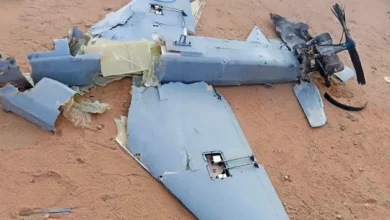
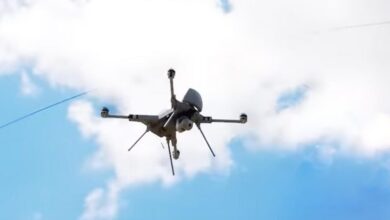
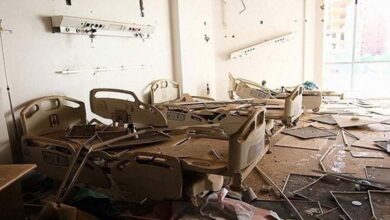
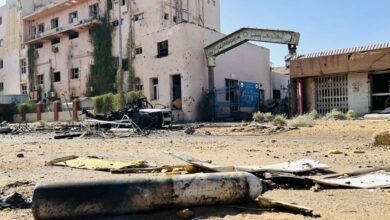
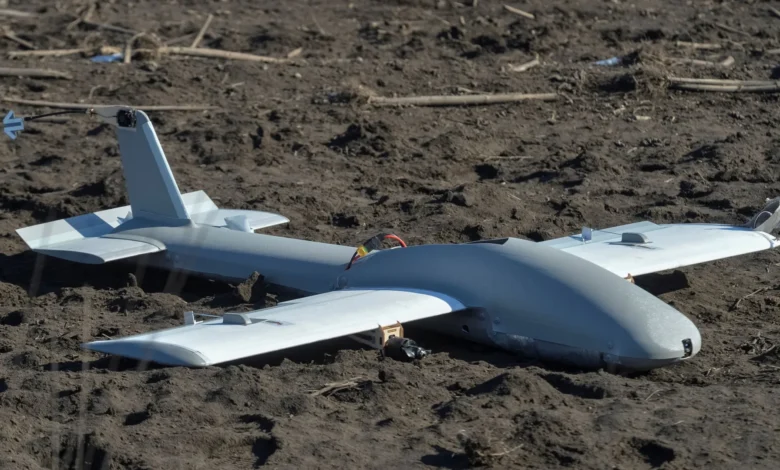
From my perspective as a journalist who has visited conflict areas several times, Egypt’s role in providing and operating these drones—as revealed by international reports on East Oweinat—stands out as a decisive factor in turning the war into a proxy model. Turkish Akıncı drones taking off from Egyptian territory to strike RSF convoys reflect a strategic alliance aimed at preventing militia advances toward the border. But civilians pay the price: strikes on aid convoys, hospitals, and temporary schools. In Kalogi, 114 people—63 of them children—were killed in a single strike in December 2025. These incidents are not accidental; they are the result of technology used within a regional context where actors compete for influence and resources.
The crisis is worsening by the day. The health system has collapsed, cholera has spread across 18 states with more than 113,000 cases and 3,000 deaths. Children are dying of hunger before reaching the age of five, and women face systematic sexual violence. In this context, Egyptian involvement becomes part of a vicious cycle that prolongs the conflict. Meanwhile, the United Arab Emirates is accused of supporting the RSF with drones and weapons, making Sudan an open arena for regional rivalry. Proxy wars are not new, but drones have made them deadlier and less costly, far from the scrutiny of global public opinion.
I speak with survivors like Fatima, who lost her husband in a strike near the border and says, “The drones come from the north, from Egypt, and kill our dreams.” These testimonies highlight the need to document these realities. The media and human rights organizations must expose the details, and the international community must exert diplomatic and economic pressure to stop the supply of military technology. Protecting civilians requires safe humanitarian corridors and international aerial monitoring. A comprehensive political solution must begin with a ceasefire and extend to a national dialogue that limits future regional interference, with a greater role for the African Union and the United Nations. Sudanese people do not want to be instruments in others’ games; they want a peace that restores their dignity.