The Tunisian judiciary continues dismantling Ennahdha’s legacy: verdicts against Ghannouchi raise total sentences to 48 years
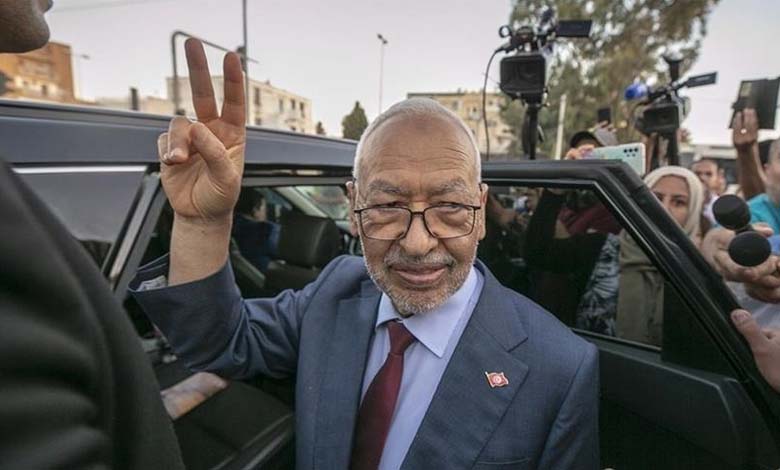
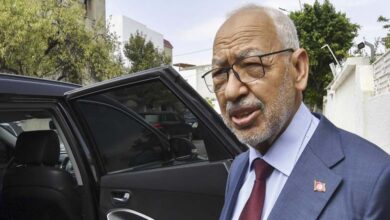
In recent days, the Tunisian judiciary has continued to issue new rulings against Ennahdha movement leader Rached Ghannouchi, as part of a gradual judicial process that reflects a clear shift in the state’s handling of political Islam-related cases, more than a decade after its time in power.
-
Tunisia’s Muslim Brotherhood: Are the Recent Judicial Rulings Paving the Way for the Dissolution of Ennahdha and Its Classification as a Terrorist Organization?
-
Descendants of the Muslim Brotherhood and Ennahdha Movement: Tunisian Calls to Ban the Radical Hizb ut-Tahrir Party
The latest ruling, which added several years to a series of previous sentences, has reignited debate over the responsibility of political leaders for financial and organizational practices that have contributed to deep crises within the state and society, placing Tunisia’s experience before a heavy political and legal cost.
According to Middle East Online, a competent Tunisian court convicted Ghannouchi in a new case involving financial violations and illegal party financing, bringing the total of sentences handed down against him to approximately 48 years in prison across multiple cases, including files related to financing, abuse of influence, and suspicions affecting state security.
-
Tunisian Brotherhood: Arrest of 80 Leaders from the Ennahdha Movement. What Are the Charges?
-
Referral of Several Ennahdha Leaders to the Anti-Terrorism Pole
This ruling comes within a broader series of judicial decisions based on laws regulating political and financial life, which prohibit parties from receiving illicit funding or using political money outside legal frameworks.
Observers note that these judgments reflect a cumulative judicial trajectory rather than an isolated decision. Ghannouchi has been convicted in several cases since 2023, amid an expansion of investigations into the role of the Ennahdha movement during its years in power, particularly regarding the management of public funds, the relationship between the party and state institutions, and the use of the organization within administrative and political spheres. Analysts argue that these cases form part of a wider reassessment of the experience of political Islam in Tunisia, which is being held directly responsible for stalled reforms and the worsening of economic and social crises.
-
Analysts Reveal Ennahdha Movement’s Plans to Ignite Tensions in Tunisia
-
Tunisian Analyst: Ennahdha uses false propaganda and pressures to undermine elections
For its part, the Ennahdha movement continues to challenge these rulings, describing them as politically motivated, a narrative it has consistently adopted since leaving power. Its opponents, however, argue that this discourse overlooks the scale of the cases before the judiciary, which do not concern opinions or political stances, but rather documented financial and organizational facts that have undergone multi-stage judicial procedures, including appeals and reviews.
-
In Tunisia, Ennahdha and the postponement of the “terrorism trial”: harsher penalty
-
New Maneuver: Ennahdha (Muslim Brotherhood) in Tunisia explores changing its name… Why?