The United States leaves Syria… and fears of the nightmare returning
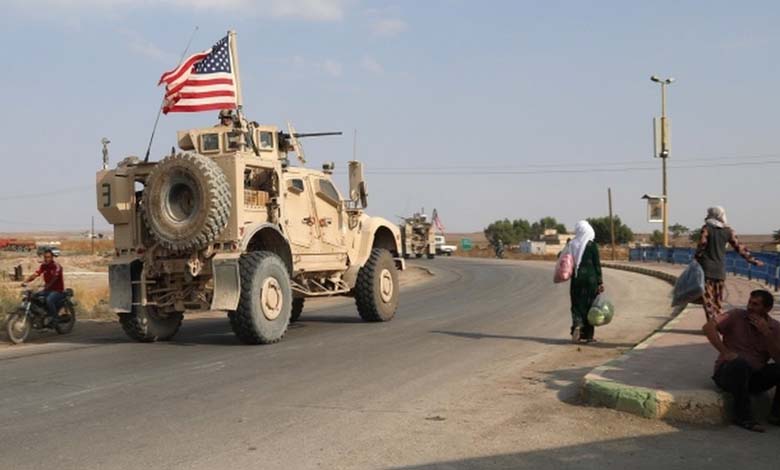
U.S. officials have stated that the United States is preparing to withdraw all of its forces from Syria, numbering about 1,000 troops, thus ending a decade-long military presence focused on combating ISIS.
According to The Wall Street Journal, citing informed U.S. officials, the decision includes withdrawals already completed from strategic positions in northeastern Syria and from border areas between Syria, Jordan, and Iraq, marking a new chapter in the ongoing war against ISIS.
-
Syrian army takes control of the country’s largest oil field
-
Syrian army takes control of Deir Hafir east of Aleppo as crucial meeting held in Erbil
Timeline
Officials said that troops will withdraw from the remaining U.S. sites over the next two months, a timetable that some analysts believe could leave the Middle East vulnerable to a resurgence of the terrorist organization ISIS.
A U.S. official stated that the withdrawal would be “conditions-based,” indicating that the decision could be reconsidered if the group regains strength.
The newspaper noted that the withdrawal of U.S. forces places greater responsibility on Syria’s nascent government to continue the fight against ISIS.
-
Clashes between the Syrian Army and the SDF disrupt the reconciliation and integration process
-
Hama Countryside: Massive Syrian Army Reinforcements and “Mass Fleeing” of Militants
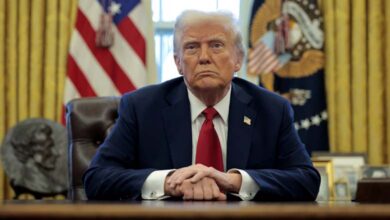
Some U.S. officials said that the administration of President Donald Trump concluded that the U.S. military presence in Syria was “no longer necessary,” due to the near-total fragmentation of the Kurdish-led Syrian Democratic Forces (SDF), which had been Washington’s primary partner in combating ISIS in Syria over the past decade, according to the report.
Forces loyal to Syrian President Ahmad al-Sharaa seized most of the territory previously controlled by the Kurds in a swift offensive last month.
Damascus and the SDF reached a fragile U.S.-brokered ceasefire in January, and Kurdish forces agreed to integrate into the Syrian army.
-
Aleppo Clashes: Syrian Army “Cleanses” Several Areas and Prepares for a Counterattack
-
SDF Fights Syrian Army, Calls on Coalition to Combat ISIS
Concerns
The newspaper pointed out that some U.S. and foreign officials fear that a weakened U.S. military presence in Syria could make it easier for Damascus to violate the ceasefire with the SDF, creating space for ISIS to reemerge.
A senior U.S. administration official said that American forces would still be able to respond to any ISIS-related threats in the region.
Others argued that the small remaining U.S. troop presence serves more as a political signal of support for the Kurds and the new Syrian government than as an effective counterterrorism force.
-
Betrayal and Corruption Plague Syrian Opposition Army
-
Deserted streets and closed shops: Hasakah awaits Syrian government forces
The Wall Street Journal was the first to report in January that the United States was considering a full withdrawal from Syria.
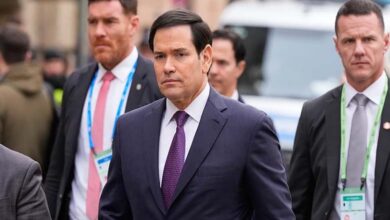
Last week, U.S. Secretary of State Marco Rubio met with his Syrian counterpart, Assaad al-Shaibani, with the primary aim of “mobilizing Damascus’ support in combating terrorist groups such as ISIS and maintaining the ceasefire with the Syrian Democratic Forces.”
Reasons for the withdrawal
Among the additional reasons for the withdrawal, the newspaper cited “U.S. concerns about working closely with the Syrian army, which includes a significant number of jihadist sympathizers, including soldiers linked to al-Qaeda and ISIS, as well as others implicated in war crimes against Kurdish and Druze minorities.”
-
150 elements… Iraq receives the first batch of ISIS detainees from Syrian prisons
-
After the SDF withdrawal, Syrian security forces deploy in Al-Hol camp
It also referred to “the killing of three Americans, including two soldiers and a civilian interpreter, last December by a member of the Syrian security forces who was due to be dismissed for holding extremist views.”
The United States launched its first military operations against ISIS in 2014, when the group seized large swathes of territory in Syria and Iraq.
U.S. forces were deployed there in 2015 to advise local forces, a mission that has continued until now.
The Syrian government in Damascus has declared its commitment to fighting ISIS.
-
The Syrian Democratic Forces cling to the administration of Hasakah, al-Charaa threatens escalation
-
Lebanon monitors reports of movements by remnants of the al-Assad regime near the Syrian border
What about Iran?
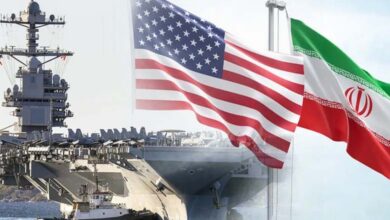
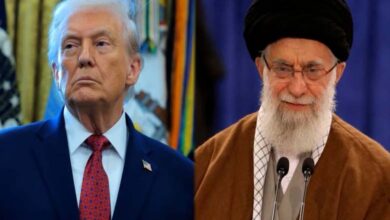
The same sources stated that the withdrawal is unrelated to the current U.S. naval and air deployments in the Middle East in anticipation of potential strikes against Iran should negotiations over its nuclear program fail.
Iran has threatened to retaliate against U.S. forces in the region if the United States launches airstrikes.
The United States has assembled a significant force off Iran’s coast, including an aircraft carrier strike group, advanced fighter jets, and other warships. A second aircraft carrier, the USS Gerald R. Ford, is heading toward the region.
-
Syrian Ministry of Foreign Affairs: The Israeli attack on Beit Jinn is a war crime
-
Syria after al-Assad: Will the new army turn into another version of “ISIS”?