The war against Iran disrupts Washington’s calculations: India returns to Russian oil despite US pressure
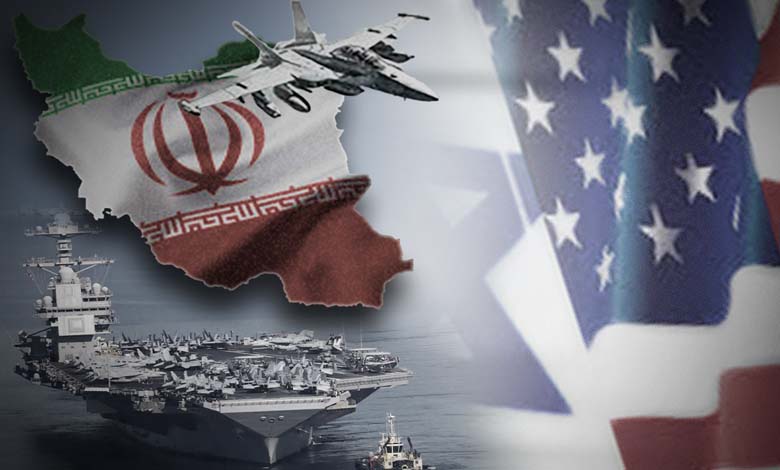
The war led by the United States and Israel against Iran has undermined one of the main objectives of US policy over the past year: reducing India’s dependence on Russian oil.
-
Mutual escalation between Iran and Israel despite calls for de-escalation
-
Hypersonic Missiles and Strikes on Nuclear Facilities: Day Six Between Iran and Israel
According to the American network CNN, after months of economic and political pressure from Washington on New Delhi to distance itself from Moscow, India has begun returning to purchases of Russian oil as a result of major disruptions in global energy markets.
For most of the past year, the United States sought to cut off the sources of financing for Russia’s war machine by reducing Moscow’s oil revenues. One key element of this strategy involved targeting one of the largest buyers of Russian oil: India.
As part of the pressure campaign led by US President Donald Trump, Washington imposed high tariffs on several Indian exports and sanctioned two of the largest Russian oil companies linked to the Kremlin.
-
Iran and Israel: Cross-Strikes… Is There Still a Window for Nuclear Negotiations?
-
Following Approval from Iran and Israel: Ceasefire Negotiations in Lebanon Enter Final Stages
Initial success of US pressure
At first, the strategy appeared to deliver tangible results. India did not completely stop purchasing Russian oil, but it significantly reduced its imports and instead increased purchases of oil from the Middle East.
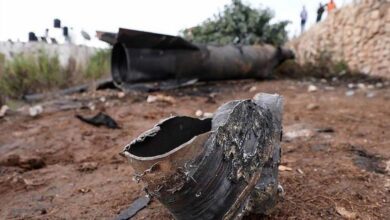
However, recent military developments have completely reversed this situation. Joint attacks carried out last week by the United States and Israel against Iran resulted in a near paralysis of maritime traffic in the Strait of Hormuz, the sea route through which most oil exports from Middle Eastern countries pass.
At the same time, Iran threatened to target energy infrastructure in regional countries in response to airstrikes that hit major energy storage sites in Tehran.
-
No Ceasefire in Gaza until De-escalation between Iran and Israel
-
Israeli attacks on Beirut and Iran as Golani Brigade deployed to Lebanon
As tensions escalated, oil prices rose sharply. The price of a barrel surpassed 100 dollars on Sunday for the first time since Russia’s invasion of Ukraine in 2022, driven by fears of production disruptions and constraints on global supply.
India returns to Russian oil
Under these circumstances, India found itself with limited options, prompting it to return once again to Russian oil in order to compensate for potential shortages in supplies from the Middle East.
The United States appears to have recognized the scale of the challenge facing New Delhi. Last week, Washington granted Indian refineries a thirty-day waiver allowing them to purchase Russian oil currently stranded at sea.
-
Two dead and one injured after an Iranian cluster-warhead missile falls in central Israel
-
The sixth attack since midnight: Israel detects and intercepts an Iranian missile attack
US Treasury Secretary Scott Bessent stated that the move was intended to ensure the continued flow of oil to global markets.
This decision represents a notable shift in the American position. After months of intense pressure on India to halt purchases of Russian oil, Washington is now allowing it to do so, meaning that Russian oil revenues will continue to support the financial resources the United States had attempted to reduce over the past year.
The Strait of Hormuz, India’s energy lifeline
According to data from the energy market analytics firm Kpler, between 2.5 and 2.7 million barrels of India’s daily oil imports pass through the Strait of Hormuz, most of them originating from Iraq, Saudi Arabia, Kuwait and the United Arab Emirates.
-
Unprecedented Double Missile Strike from Lebanon and Iran Hits Israel
-
Israel strikes the Iranian leadership complex, the regime’s most central and strategic headquarters
With this crucial maritime route effectively disrupted, it has become natural for India to turn again to Russian oil as a rapid alternative.
According to the company’s data, about 130 million barrels of Russian oil were still at sea as of Friday, and some of these shipments could quickly be redirected to Indian ports.
Kpler analyst Sumit Ritolia expects India to return to pre-sanctions levels, with Russian oil potentially accounting for between 40 and 45 percent of its total imports.
A temporary, not permanent solution
Nevertheless, experts believe that Russian oil cannot fully fill the gap created by disruptions in supplies from the Gulf, although Moscow may benefit from the situation by increasing production and selling oil at higher prices.
-
Israel and the Last Hour Scenario: Iran Will Launch All Its Missiles
-
Gaza and Iran outside the Israeli decision… Who controls them then?
Farwa Aamer, director of the South Asia Initiative at the Asia Society Policy Institute, explained that the US thirty-day waiver is only a temporary measure subject to strict conditions and a limited timeframe.
She added that the waiver may provide India with temporary relief but will not be sufficient to fully meet the needs of the energy market.
Furthermore, shipments of oil from Russia take longer to reach Indian ports than those arriving from the Middle East.
-
Iran draws up a list of Israeli and U.S. targets in response to a potential attack
-
From ‘The Spider’s Den’… Iran Announces an Infiltration into Israel and Reveals a Treasure
Oil reserves give India some time
A source in India’s Ministry of Petroleum stated that the country currently holds crude oil reserves sufficient for about twenty-five days, in addition to gasoline and diesel reserves that can cover a similar period. Altogether, these reserves could supply roughly eight weeks of consumption of oil and petroleum products.
The source indicated that the current stock levels provide a certain degree of reassurance, adding that the government is working to increase imports from other regions of the world in order to compensate for any shortfall in supplies passing through the Strait of Hormuz.
-
Iran Holds Official Funerals for Military Commanders and Scientists Killed in Israeli Strikes
-
Trump Announces Ceasefire Between Israel and Iran
Possible easing of sanctions on Russian oil
In a notable development, US Treasury Secretary Scott Bessent said that the United States may consider lifting additional sanctions on Russian oil exports.
He explained that Washington had temporarily allowed India to accept Russian oil to fill a short-term gap in global supplies, suggesting that some restrictions on other Russian exports could also be eased if necessary.
Analysts believe that this shift in US policy reflects the scale of the pressure currently affecting global energy markets amid ongoing tensions in the Middle East.
Farwa Aamer also stressed that if the crisis in the region continues for a longer period, the pressure on global energy markets will intensify, increasing the likelihood of an energy crisis in oil-importing countries such as India.
-
Israel strikes Hamas, Hezbollah, and Houthi “weapons supply line” in Iran… Who is Behnam Shahriari?
-
One Week into War: Iran Expands Its Strikes on Israel with the Largest Rocket Barrage in 48 Hours