The West and the legacy of slavery: a UN decision delivers justice to Africa and opens the door to reparations
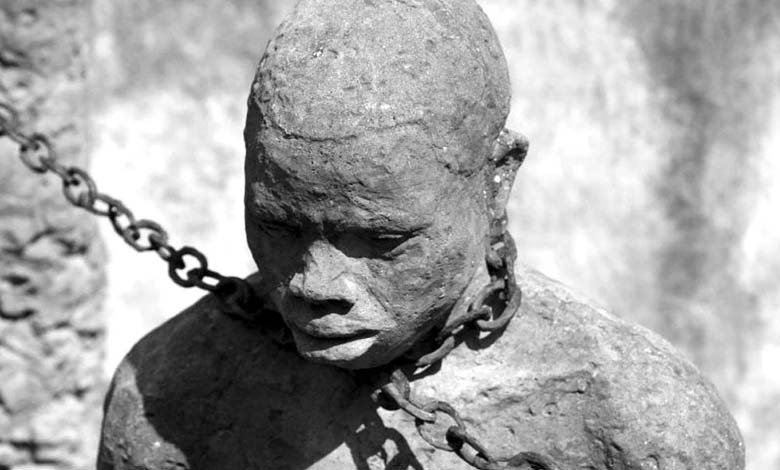
The General Assembly adopted a resolution introduced by Ghana to recognize the transatlantic slave trade as “the most serious crime against humanity” and to promote the opening of an international debate on reparations, despite clear opposition from the United States and several European countries.
The resolution, supported by 123 states against three votes in opposition and 52 abstentions, does not carry legally binding force. However, it represents a notable political step reflecting a shift in the balance of international discourse, as African and Caribbean countries increasingly seek to bring the issue of “historical justice” back to the forefront of the global agenda.
A confrontation over “historical justice”
Ghana maintains that the resolution is grounded in a historical legacy that continues to cast its shadow over contemporary realities. It points out that the transatlantic slave trade, which involved the forced transfer of approximately 12.5 million Africans, laid the foundations for racial and economic imbalances that persist to this day.
In this context, Ghana’s Minister of Foreign Affairs stressed that the resolution constitutes a step toward “accountability” and lays the groundwork for an international framework that could lead to future reparations, whether at the level of states or institutions.
The resolution also calls for the launch of an international dialogue that includes official apologies, the restitution of looted cultural artifacts, and the consideration of financial compensation mechanisms, reflecting a political effort to redefine the relationship between the colonial past and the contemporary international order.
Western rejection and legal reservations
In contrast, the United States and several European countries expressed clear opposition to the resolution, arguing that it raises complex legal and political issues, particularly regarding the retroactive application of international law.
The representative of Washington stated that his country opposes what he described as “using historical mistakes to redistribute resources in the present,” thereby signaling rejection of the principle of reparations.
The European Union also expressed reservations, noting that the proposal raises legal and practical concerns, while acknowledging the magnitude of the atrocities associated with slavery.
African and Caribbean countries are seeking to establish an international mechanism that could even lead to the creation of a special reparations tribunal under the auspices of the United Nations, indicating a shift from a moral debate to an institutional political trajectory.
Although the resolution is non-binding, it opens the way for a new phase of political and diplomatic pressure on Western countries and revives fundamental questions regarding the responsibility of former colonial powers and the limits of historical justice in the contemporary international system.