Thirty bombs decided the battle: the final hours in Khamenei’s life
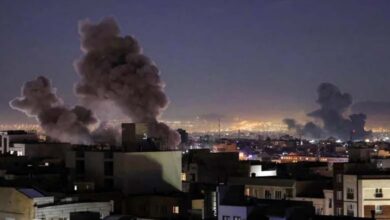
That Saturday dawn was anything but ordinary in Tehran. Within minutes, the Pasteur district, the political heart of the Iranian capital, was transformed into a scene of intense bombardment that reportedly brought decades of rule to an end.
Thus, according to Israeli and American accounts, the final chapter in the life of Iranian Supreme Leader Ali Khamenei was closed during an operation named “Epic Wrath.”
How was Khamenei allegedly killed? What was the nature of the strike that targeted his fortified complex in the center of the capital?
In this context, Israel’s Channel 12 reported that the Israeli military dropped around 30 bombs on the Supreme Leader’s compound, where he was holding a meeting with senior regime officials on Saturday morning.
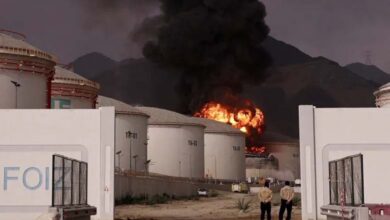
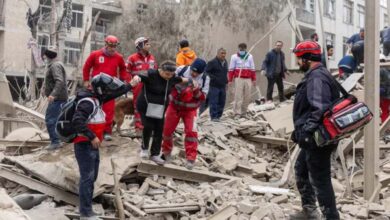
Satellite images showed extensive destruction affecting buildings within the complex, while columns of smoke rose from the area, which also houses the Iranian presidency.
-
Israeli sources rule out a Washington–Tehran agreement in Geneva
-
Diplomacy races against rising tensions: anticipation of Muscat talks between Washington and Tehran
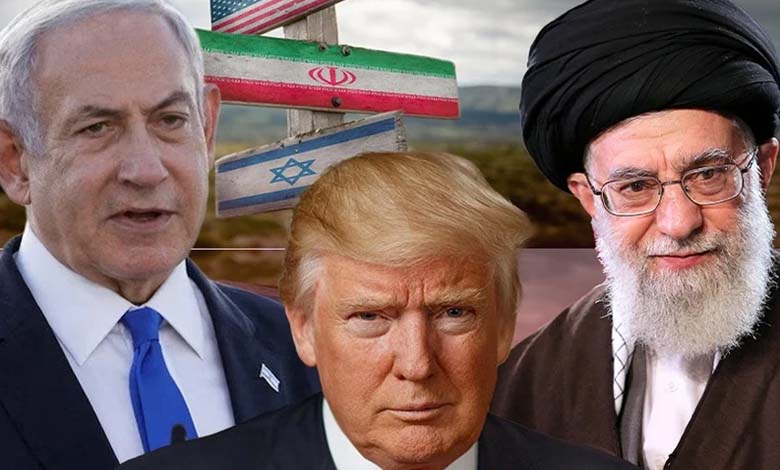
Israeli media reported that Khamenei’s body was recovered from beneath the rubble and that images were shown to Benjamin Netanyahu and U.S. President Donald Trump, while an Iranian official insisted that the Supreme Leader was not in Tehran at the time of the strike.
They also indicated that prominent figures were killed in the first wave of raids, including Iranian Defense Minister Nasserzadeh and Revolutionary Guard commander Mohammad Pakpour.
-
Tehran executes man accused of spying for Israel amid domestic protests
-
Washington Targets Tehran with Harsh Sanctions as Araghtchi Demands War Reparations
A massive attack targeting 500 sites
The strike on Khamenei’s complex formed part of a broader air and missile offensive targeting more than 500 strategic sites across Iran, including the Ministry of Intelligence, the Ministry of Defense, and the Atomic Energy Organization, in addition to military bases and missile facilities.
The Israeli military announced that approximately 200 fighter jets participated in a “large-scale attack,” described as the largest in the history of the Israeli Air Force, while U.S. forces carried out dozens of strikes.
-
Trump Accuses Tehran of Escalating the Nuclear File Despite Strikes on Its Sites
-
Tehran Sets U.S. Renunciation of Attack Plans as Condition to Resume Talks
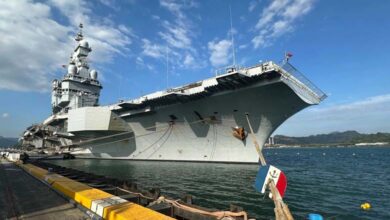
Tomahawk missiles were also launched from U.S. warships in the Gulf.
Video footage showed 21 cruise missiles flying at low altitude over Iranian territory toward the capital, while intelligence sources stated that the strikes were executed immediately after confirmation of the presence of the regime’s top leadership at three simultaneous locations.
The raids extended to around 20 of Iran’s 31 provinces, including Bushehr, Qom, Isfahan, and Kermanshah.
-
Tehran and Washington Resume Nuclear Talks Under the Pressure of Red Lines
-
Washington Charts a New Course for Nuclear Negotiations with Tehran by Sidelining Europeans
Trump: “The hour of your freedom has come”
In an eight-minute televised address, Trump announced the launch of “large-scale combat operations” against Iran, asserting that the objective was to eliminate Iran’s nuclear program and destroy its military capabilities. “It is a clear message: they will never possess a nuclear weapon,” he said.
Addressing the Iranian people, he added: “The hour of your freedom has come,” calling for the overthrow of the regime. He also acknowledged the possibility of casualties among U.S. forces, warning: “We may lose brave men.”
Following the strikes, the FBI and counterintelligence units raised their alert level to the maximum within the United States in anticipation of potential retaliatory attacks.
-
Tehran Ready for Indirect Talks with Washington in Response to Trump’s Letter
-
Iran’s Nuclear Program: Tehran Awaits Trump’s Message via an “Arab Country”
British Prime Minister Keir Starmer announced that British aircraft were “in the skies” conducting defensive operations to protect British interests and allies, signaling the widening international scope of the crisis.
Several airports in the region were closed, leaving thousands of travelers stranded.
Meanwhile, Iranian officials reported that 85 people were killed in a strike on a girls’ school in the south of the country, a claim denied by U.S. sources, which stated that the strikes targeted military sites only.
Israel announced that operations could continue for several days, while Tehran vowed a “crushing” response.
-
Tehran Threatens Washington with Prolonged Conflict
-
Washington Secretly Warns Tehran of Suspicious Nuclear Activities