Trump and Iran: three military paths on the decision table
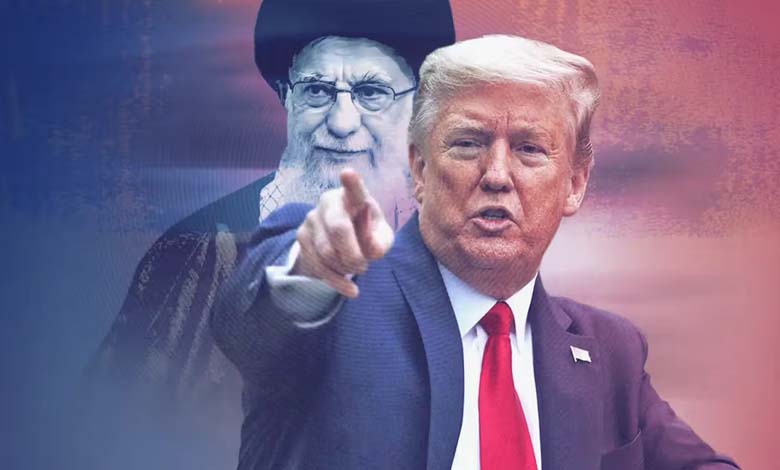
Signs of a potential escalation in the confrontation between the United States and Iran are mounting, as media reports indicate that President Donald Trump’s administration is considering a range of military options against Tehran.
These options range from limited special operations to large-scale airstrikes, and even joint military action with Israel, according to the British newspaper The Sun, which pointed to the increasingly assertive tone of U.S. rhetoric despite official statements reaffirming openness to a diplomatic track.
-
Trump and Iran: 4 Possible Scenarios, Including “Shock and Awe”
-
Iran protests put Trump to the test between escalation and dialogue
Three scenarios
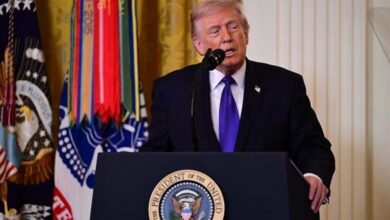
According to informed sources cited by U.S. media, President Trump has placed three main military scenarios under consideration.
The first option would involve a bold raid by U.S. special operations forces targeting sensitive sites within Iran’s uranium enrichment program, aimed at disrupting any potential capability to produce nuclear weapons, including facilities believed to have survived previous strikes carried out during earlier periods of tension.
-
After Trump’s threats, Iran affirms readiness for war and dialogue
-
Trump Announces Ceasefire Between Israel and Iran
The second option would entail launching a series of intensive, targeted airstrikes against senior military and political leaders in Iran, in an effort to paralyze decision-making centers and destabilize the ruling system, potentially paving the way for sweeping political change. This scenario is regarded as the most escalatory, given the possibility of striking the capital, Tehran, and centers of influence close to Supreme Leader Ali Khamenei.
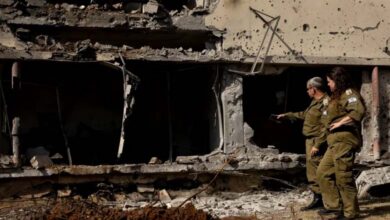
The third option, which enjoys strong backing from Israel, involves U.S. participation in joint strikes targeting Iran’s ballistic missile program, viewed by Tel Aviv as a direct existential threat, particularly in light of intelligence assessments indicating that Iran has rebuilt a significant portion of its missile capabilities after damage sustained during previous confrontations.
-
Behind Trump’s Deal: How Iran and Israel Agreed to End the War
-
Energy Investments: Iran’s New Card to Woo Trump and End Sanctions
Military buildup and deterrence signals
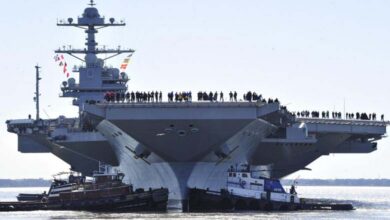
These deliberations come amid a clear escalation on the ground, as the United States has intensified its military presence in the Gulf region and deployed a carrier strike group led by the USS Abraham Lincoln, fueling fears of a slide toward open confrontation.
At the same time, a U.S. reconnaissance aircraft specializing in the detection of radioactive particles, known as the WC-135R Constant Phoenix, landed at the UK Royal Air Force base at Mildenhall, a move interpreted as preparation for potential non-conventional developments.
In response, Tehran announced that its forces were on maximum alert, warning that any American “mistake” would endanger the security of the United States, its allies, and the entire region. Iranian army commander Amir Hatami stated that Iran’s response would be comprehensive should the confrontation escalate into direct military action.
-
Trump’s Pressure Pushes Iran to Accept U.S. Demands on Nuclear File
-
Iran’s Nuclear Program Back in the Spotlight… and Trump Seeks Political Breakthrough
Strict conditions
Although the White House insists that Washington still favors a diplomatic solution, the U.S. administration has laid out a series of preconditions for any potential negotiations. These include Iran’s complete and permanent abandonment of any program to acquire nuclear weapons, a full halt to uranium enrichment activities and the surrender of its nuclear stockpiles, as well as the imposition of strict limitations on the ballistic missile program and its range, and the cessation of support for allied armed groups in the region.
U.S. demands also include an end to what Washington describes as the repression of protesters inside Iran, following widespread demonstrations that swept the country and were met with a violent security crackdown, prompting international condemnation. Trump has sent direct messages to Iran’s leadership, urging it to move swiftly to the negotiating table and warning that “time is running out.”
-
Between Escalation and De-escalation: How Will Trump Handle Iran?
-
Trump’s Return Pushes European Powers to Demand Increased Pressure on Iran
U.S. officials acknowledge that any military operation against Iran would be more complex and riskier than comparable scenarios, such as those applied in Venezuela, given Iran’s military capabilities, its network of regional allies, and the entanglement of international interests in the region. This prospect has raised widespread concerns about the Middle East sliding into a full-scale regional war, with severe repercussions for global stability and energy security.
-
Iran Keeps Door Open for Dialogue with Trump and Prepares for New Sanctions
-
Iran offers nuclear concessions under conditions while holding firm on missiles