Trump imposes a full blockade: is Venezuela facing oil suffocation?
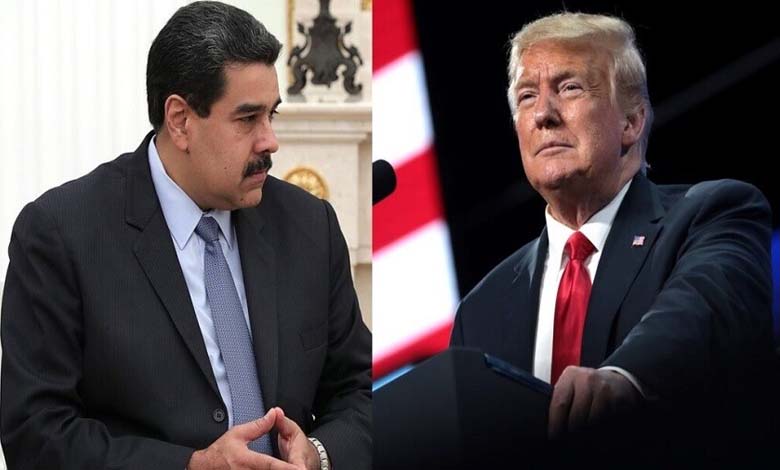
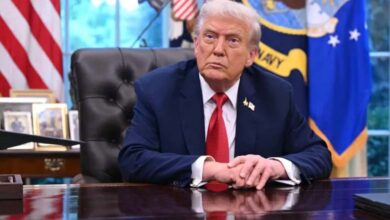
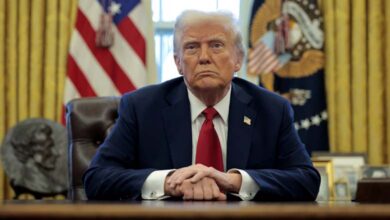
In a move that raises tensions to a critical level, U.S. President Donald Trump has ordered the imposition of a full blockade on oil tankers subject to sanctions in Venezuela.
Oil is Venezuela’s main source of income, meaning the U.S. decision corners the Caracas government and threatens to trigger internal unrest or provoke a response that could ignite the wider region.
-
Vladimir Padrino, the fortress of Venezuela confronting capitals of dominance and accusations
-
Trump Seizes Oil Tanker off Venezuela: Pressure on Maduro Intensifies
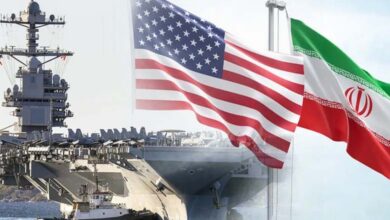
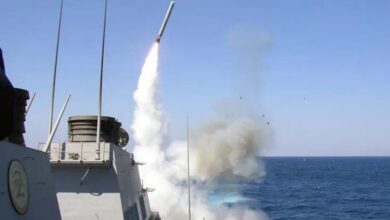
It remains unclear how the Trump administration will enforce the blockade on sanctioned vessels, or whether it will resort to the coast guard to intercept ships, as it did last week. In recent months, the United States has deployed thousands of troops and around twelve warships, including an aircraft carrier, to the area.
Trump wrote on his Truth Social platform: “Because of the theft of our assets, and many other reasons, including terrorism, drug trafficking, and human trafficking, the Venezuelan regime has been designated a foreign terrorist organization… Therefore, today I am ordering a total and complete blockade on all sanctioned oil tankers going to or coming from Venezuela.”
-
A base for Iran and Hezbollah… A new accusation from Washington against Venezuela
-
Ford in Latin America: a new escalation from Washington against Venezuela
Following the announcement, U.S. crude oil futures rose by more than 1 percent to $55.96 a barrel in Asian trading. Prices had settled the previous day at $55.27 a barrel, the lowest closing level since February 2021.
Oil market traders said prices were rising in anticipation of a potential decline in Venezuelan exports, although they are still waiting to see how Trump’s blockade will be implemented and whether it will extend to non-sanctioned vessels.
-
The Venezuelan Air Force: a symbolic power that would not withstand the United States
-
Venezuelan fighter jets fly near a US destroyer: a provocation over the Caribbean
Rory Johnston, founder of the Commodity Context newsletter, said: “We don’t know how broadly or how quickly Trump will enforce this.” Since the United States detained a sanctioned oil tanker off the coast of Venezuela a few days ago, other crude-laden tankers have chosen to remain in Venezuelan waters rather than take the risk of sailing.
Venezuelan crude oil exports have fallen sharply since the incident, a situation compounded by a cyberattack that disrupted the administrative systems of the state oil company. The market is currently well supplied, with millions of barrels of oil sitting on tankers off the coast of China awaiting unloading. However, if the blockade persists for some time, the loss of nearly one million barrels per day of crude supply is likely to push prices higher.
-
Is War Approaching? Venezuela Deploys Warships and Drones in Response to U.S. Moves
-
Why is Russia Building a New Ammunition Factory in Venezuela?