Trump Pulls the Trigger on Phase Two in Gaza: Peace Takes Precedence over Netanyahu’s Conditions
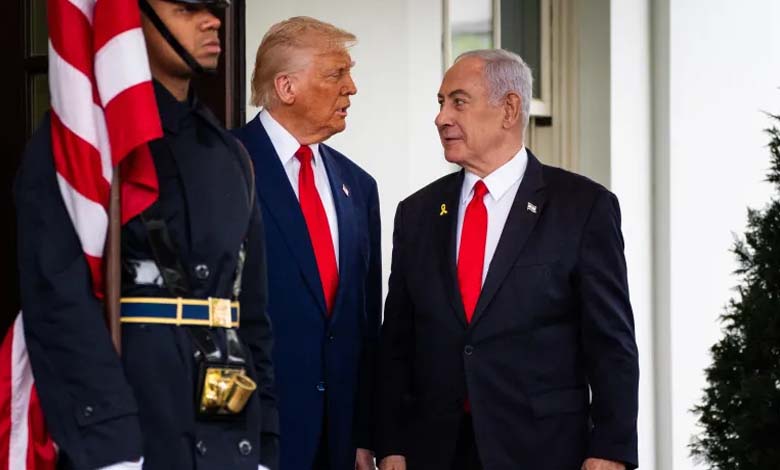
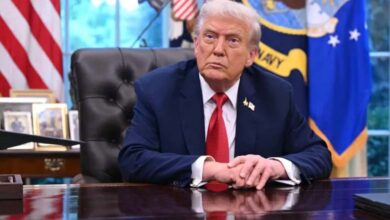
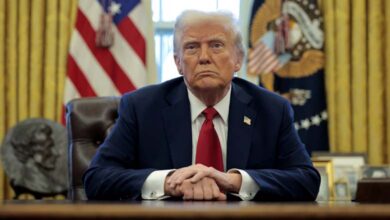
Israeli media have revealed the existence of behind-the-scenes differences between the vision of US President Donald Trump and that of Prime Minister Benjamin Netanyahu regarding peace in Gaza.
According to The Times of Israel, Trump plans to unveil next week a Peace Council and other bodies tasked with administering the Gaza Strip after the war, following a one-month delay, and hopes to begin implementing the plan in the coming weeks.
-
Trump and Netanyahu Announce Gaza Peace Plan Amid Uncertainty Over Hamas’ Response
-
Fifth Prisoner Exchange: Messages to Trump and Netanyahu
This move comes despite the fact that Israel has not yet received the remains of the last Israeli soldier, Ran Gvili.
The outlet cited informed American sources as saying that the Trump administration told Prime Minister Benjamin Netanyahu last week that it remains committed both to recovering the final remains and to disarming Hamas, but that it is not prepared to tie the launch of the second phase of the Gaza peace plan to the achievement of either of these goals.
Israel had refused to proceed with the second phase — aimed at establishing mechanisms related to the reconstruction of Gaza and its post-war governance — before Hamas returned the remains of soldier Ran Gvili and before it was disarmed.
-
Trump: America Saved Israel and Will Protect Netanyahu from the Trial Farce
-
Control and Military Bases: An Old Agreement Gives Trump a Solution in Greenland
The Trump administration is seeking to announce next week the Peace Council, along with a transitional authority that includes a Palestinian technocratic committee. Washington had initially planned to reveal the composition of these bodies in mid-December, but the announcement was postponed amid difficulties in securing international support, while the ceasefire agreement concluded in October between Israel and Hamas has been barely holding.
According to the same sources, Trump informed Netanyahu during their meeting last week in Florida of his desire to move swiftly to the second phase of the ceasefire agreement. He added that the prime minister raised concerns, but said that Israel would cooperate with the effort.
According to The Times of Israel, the United States has received commitments from Egypt, Qatar, the United Kingdom, Italy, and Germany to join the Peace Council.
-
In 2026… Pending Items on Trump’s Foreign Agenda
-
The Arrest Warrant sets Netanyahu’s course… a long journey to America
Since then, Washington has worked to bring additional countries on board, but with limited success. The United States is also considering filling seats on the body with the heads of the World Bank, the International Monetary Fund, and the World Economic Forum.
The United States hopes to announce the composition of the Peace Council next week, enabling an initial fundraising effort ahead of the body’s first meeting, scheduled to take place the following week on the sidelines of the World Economic Forum in Davos, Switzerland.
A US official clarified that the timeline is not fixed, as other foreign policy issues, such as Venezuela or Ukraine, may take priority. He added that the Trump administration also wants the Peace Council to help address other conflicts around the world.
-
Netanyahu to present Trump with a new plan for Gaza if Hamas refuses to disarm
-
America, Iran, and the nuclear issue: Who can break the stalemate?