Trump’s decision blows up the Muslim Brotherhood from within: factional warfare over the organization’s funds in London
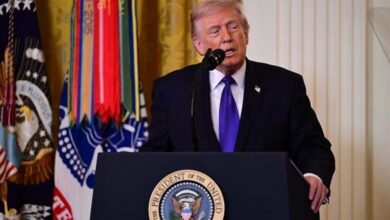
A growing sense of anxiety and division has emerged within the Muslim Brotherhood’s front in London following the announcement by the administration of US President Donald Trump of executive steps aimed at designating the group’s branches in Egypt, Jordan, and Lebanon as terrorist organizations and seizing their funds and assets. This move represents a significant shift in US policy toward the global Muslim Brotherhood organization.
The decision is seen as the beginning of measures that could extend to financial networks and accounts linked to the group’s interests abroad, sparking sharp disagreements among exiled leaders over how to manage the crisis and safeguard the organization’s assets.
-
Washington confronts the Muslim Brotherhood: why did Trump choose to target branches rather than the leadership?
-
The Muslim Brotherhood in 2025… A Year of Decline and International Constriction
According to the Al-Arabiya website, the internal conflict within the Muslim Brotherhood’s London front is rooted in fears of losing control over nearly forty entities affiliated with the group. These include institutions and companies used as sources of funding and support for political and religious activities in the region. There are growing concerns that labeling these entities as terrorist organizations could lead to the freezing of their resources and legal action against those in charge.
Al-Arabiya points to disagreements among different currents within the movement over who should bear responsibility for managing these assets and how to respond to escalating US pressure.
-
What does Florida’s designation of the Muslim Brotherhood as a terrorist organization mean?
-
A 200,000-dollar scandal… moral collapse within the ranks of the Muslim Brotherhood abroad
The US decision comes as part of a broader effort by Washington to curb the global influence of the Muslim Brotherhood. Last November, Trump signed an executive order instructing the State and Treasury Departments to examine and designate the Brotherhood’s branches in countries such as Egypt, Lebanon, and Jordan as foreign terrorist organizations, with a report to be prepared within forty-five days, in an attempt to weaken their financial, military, and political capabilities.
This step is widely viewed as a continuation of a tough US stance toward the group amid ongoing controversy over its ties to organizations such as Hamas and its alleged support for violent practices in the region.
-
The Muslim Brotherhood’s infiltration in America: a silent strategy eroding society from within
-
Congress opens fire: the Muslim Brotherhood placed on the US terrorism list
Reactions within Muslim Brotherhood circles have varied, ranging from attempts by some leaders to absorb the legal and political repercussions of the decision to calls for exploring alternative ways to manage resources and avoid a complete liquidation of assets.
Analysts say these divisions reflect the weakness of the Brotherhood’s central organization and inconsistencies in its survival strategies in the face of mounting external pressure, particularly from major powers such as the United States, which views the group not merely as a political movement but as a potential threat to national security and regional stability in the Middle East.
-
The Muslim Brotherhood as a Global Terrorist Organization: US House Committee Approves Bill
-
The US Congress prepares to designate the Muslim Brotherhood as a Global Terrorist Organization