Ukraine Tests Western Unity: Macron Seeks a Lost Consensus
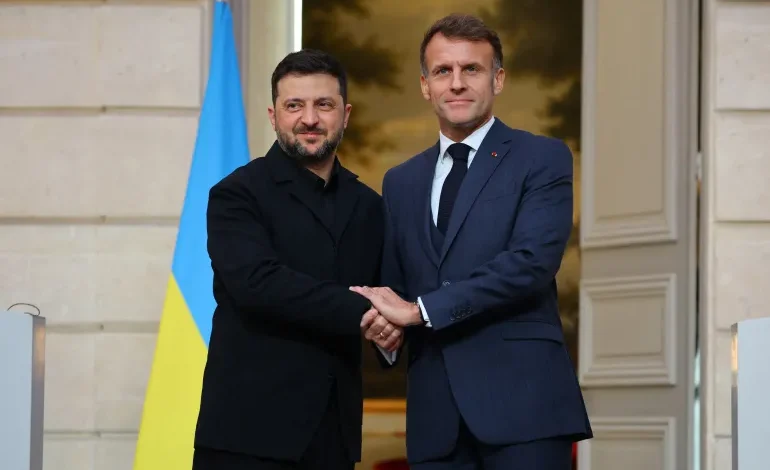
Amid growing Western divisions over the war in Ukraine, French President Emmanuel Macron is leading an effort to restore unity within the G7 regarding support for Kyiv.
The French leader is attempting to balance continued military assistance to Ukraine with the possibility of opening a negotiating channel with Moscow, as signs continue to emerge of the gradual erosion of the Western consensus that characterized the early years of the conflict.
French experts specializing in international relations and European affairs said that President Emmanuel Macron’s call to “recreate consensus within the G7” on support for Ukraine reflects a delicate political effort to restore cohesion at a sensitive stage of the war, where positions differ between maintaining military support and responding to increasing calls for negotiations with Russia.
A Difficult Mission
According to strategic affairs expert François Heisbourg, Macron’s initiative comes amid a “gradual erosion of Western unity,” noting that disagreements within the G7 are no longer merely tactical but have become strategic in nature.
He stressed that France’s greatest challenge is preserving a minimum level of political cohesion between the United States and Europe, particularly given differing views regarding the scale of military support and the expected duration of the war.
Diverging Perspectives
He added that Macron is attempting to play the role of a “balancing mediator” between a more fluctuating American position and a more committed European stance, while emphasizing that France’s ability to impose such a balance remains limited without a clear consensus.
Meanwhile, political analyst Dominique Moïsi said that developments within the G7 reflect a deeper transformation of the international order, as the West is no longer the unified bloc it appeared to be at the beginning of the conflict.
He noted that the French president understands that prolonging the war without a clear political horizon will lead to political and economic exhaustion among countries supporting Kyiv. According to Moïsi, the call for “consensus” is not limited to coordinated military support but also represents an attempt to gradually open a diplomatic pathway that could prevent a prolonged conflict with no clearly defined end.
For his part, European affairs expert Sébastien Maillard stated that Macron’s objectives within the G7 are also linked to strengthening Europe’s role in shaping Western decision-making, particularly in light of differences with American positions.
Between Military Support and Negotiations
He emphasized that France seeks to transform the G7 from a crisis-response platform into a framework for defining a long-term strategy toward Ukraine. However, achieving this objective requires difficult consensus-building among powers with differing political and economic priorities.
He argued that Macron’s success in creating a “new consensus” within the G7 will depend on his ability to manage the contradiction between maintaining military support for Kyiv on one hand and opening a potential negotiating track with Russia on the other, at a time when domestic pressure is increasing in several European countries to reassess the cost of the war.
The French president is therefore seeking to “recreate consensus within the G7” regarding support for Ukraine. Ukrainian President Volodymyr Zelenskyy participated in a session during the G7 summit in Évian-les-Bains, according to an announcement by the Élysée Palace.
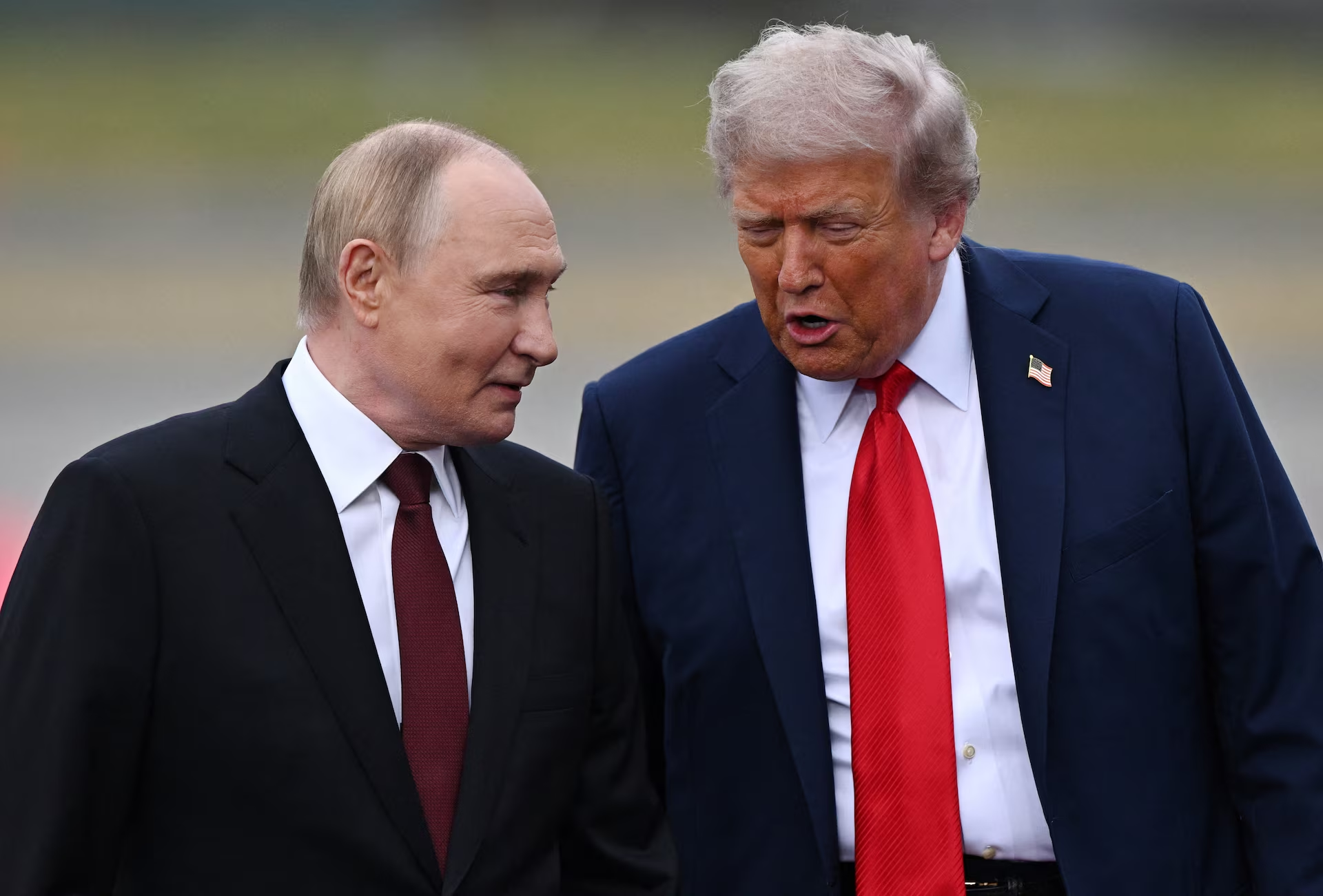
During a meeting with civil society at the Élysée Palace, Macron stated: “This is extremely important for us because we must recreate consensus within the G7 to support Ukraine in all aspects of the war, including the necessity of opening negotiations,” referring to differences between European leaders and U.S. President Donald Trump on this issue.
In a related development, Bulgaria announced that it would halt deliveries of weapons from its military stockpiles to Ukraine, according to the French broadcaster “20 Minutes.”
Bulgaria stated that it would adopt a cautious approach and called for dialogue with Russia, while criticizing the expansion of military support for Kyiv.